
Shopping Cart
What to Know Before Adding Underwater Dock Lights to Your Waterfront Property
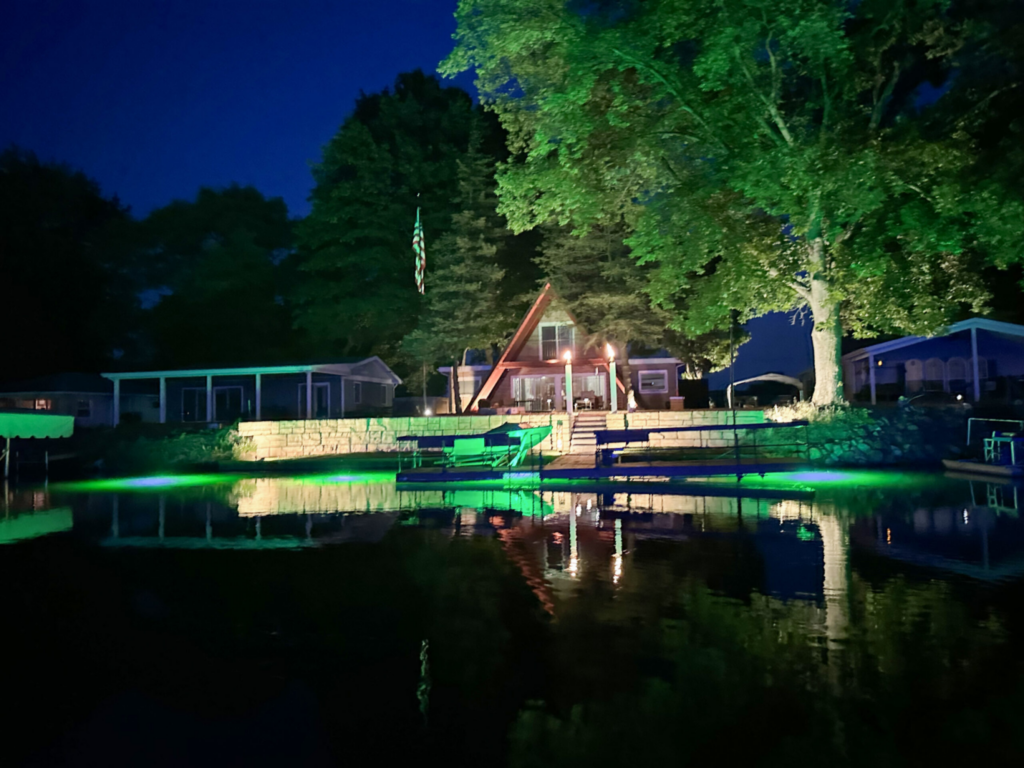
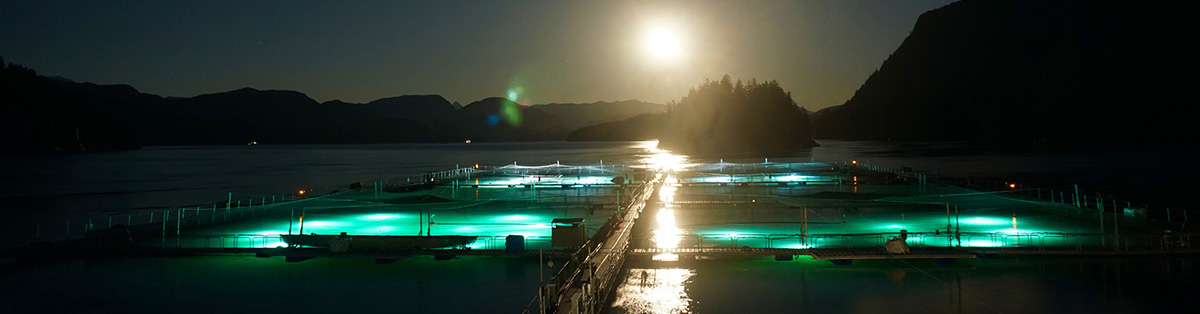
Adding underwater dock lights can completely change how your dock feels at night. The water looks clearer, more vibrant, and full of life. The shoreline becomes easier to see and navigate. And if you enjoy spending time fishing, you may start noticing more activity once your underwater fishing lights are properly positioned.
But not all lighting setups perform the same way. The best results come from choosing the right placement, installing at the proper depth, and understanding how underwater LED lights behave in moving water, especially around inlet waterways where tides, sediment, and marine growth can influence performance over time.
This guide explains what to know before installing marine underwater lights, what to plan for, and how to set realistic expectations so your waterfront lighting looks impressive and works exactly the way you want it to.
Start With Your Waterfront: Why Inlet Waterways Need a Smarter Lighting Plan
If your dock sits along an inlet waterway, you already know your water behaves differently from still water. There is usually more movement, more life, and often more shifting clarity. Some nights the water is crystal-clear. Other nights, currents stir up sediment and visibility changes.
That matters for underwater lighting.
Light underwater does not behave like light in open air. It spreads, it diffuses, and it is affected by whatever is suspended in the water. When you plan for underwater lighting in an inlet environment, you want to think about:
- Water clarity patterns (clear at slack tide vs cloudy after wind or boat traffic)
- Current strength (stronger flow can shift cords or affect placement)
- Bottom type (sand, silt, grass, or shell can change how light reflects)
- Marine growth (barnacles and algae are more common in tidal environments)
The good news is that inlet waterways are also where underwater lighting shines, because the ecosystem is active. When your dock is properly lit, you are not only lighting the water. You are creating an environment that draws life in and keeps your property looking vibrant after sunset.

Decide What You Want the Lights to Do
Before you think about product selection or mounting, get clear about your “why.” Homeowners often start with one goal and then realize several benefits come along with it.
Here are the most common goals people have when considering underwater dock lights:
1) Create a better nighttime dock experience
This is the simplest reason, and it is a great one. Underwater lighting makes your dock look finished. It creates a glow that feels inviting rather than harsh.
2) Improve safety around the dock
Underwater lighting helps you see what is happening at the waterline. It also reduces the risk of missteps when people are walking near the edge at night.
3) Attract marine life for viewing and fishing
Many homeowners want a “natural aquarium” effect. Done correctly, underwater lighting attracts small organisms and baitfish, which can bring in larger fish as part of the food chain.
4) Make the property look more premium from the shoreline
Underwater lighting is one of those upgrades that is immediately noticeable. Visitors may not know what you installed, but they feel the difference.
When you know your goal, your next decisions become easier: placement, depth, color, run time, and what kind of coverage you want.

Placement: Where Underwater Lighting Works Best Around a Dock
Placement is the biggest factor in whether underwater lighting looks “wow” or just looks “okay.” It is also where most homeowners either get it right the first time or spend a week adjusting.
A common mistake is assuming that “under the dock” is always the best location. Sometimes it is. Often, you can get better results by placing the light where it has open water in front of it rather than a wall of pilings and shadows.
Here are practical placement options that work well for most docks on inlet waterways:
Place the light on the outside edge of the dock
This helps the light cast outward into open water, creating a wider visual effect and a larger illuminated zone.
Place the light slightly away from the structure
If your light is pressed right up against pilings, the structure can block the spread and create harsh shadow bands. A little breathing room can make the glow look smoother.
Consider corners and “natural viewing angles”
Think about where you stand most often. If you look down the dock toward the end, a light placed near the end can create a dramatic runway effect.
Avoid placing lights directly in heavy boat traffic lanes
In inlet waterways, boat movement can be frequent. Keep the light out of areas where props and wake turbulence could shift cords or bump equipment.
If you are installing a system designed as marine underwater lights, you can often adjust placement easily after the first night. Many homeowners do a simple test:
- Place the light at the intended spot.
- Run it for one night.
- Observe spread, glare, and where life gathers.
- Adjust depth or position slightly and test again.
Small changes can make a big difference.

Depth Matters: How Deep Should Underwater Dock Lights Be?
Depth affects everything: how the water glows, how far the light spreads, how bright the surface looks, and how visible fish and movement are from above.
A reliable starting point for most docks is 4–6 feet below the surface. That depth often provides a strong surface glow while still illuminating deeper water beneath.
Depth decisions should consider:
- Water clarity
- Current
- Dock height
- Bottom depth
- Desired surface glow
If the light is too shallow, you may get a bright hotspot that looks harsh. If the light is too deep, you may lose that surface shimmer that makes underwater lighting so eye-catching from the dock.
A good approach is to start at a medium depth and adjust. If your system allows depth adjustment by sliding the anchor weight on the cord, you can fine-tune without any complicated hardware.
Understanding How Fishing Activity Builds Around Underwater Lights
People often ask if lighting “creates fish” or if it simply makes fish easier to see. The truth is more interesting.
Underwater lighting tends to create a zone of activity because light can attract smaller organisms, which draws baitfish. That can lead to larger fish moving in to feed. In inlet environments, where tidal flow constantly moves nutrients and life through the waterway, this effect can be especially noticeable.
If you are installing underwater fishing lights, it helps to understand how the ecosystem often responds:
What you may see first
- Tiny organisms and “sparkle” in the light cone
- Small baitfish circling the edges of the glow
- Increased surface movement around the lit zone
What may follow over time?
- Larger fish hovering just outside the brightest zone
- Predator fish making passes through bait schools
- A more consistent pattern of activity at the dock after dark
This is why the setup matters. Fish do not always sit directly under the brightest spot. Often, the edge of the glow is where the action happens. A larger, smoother light spread can create a more natural feeding zone.

Why Green Is Common Around Docks on Inlet Waterways
You will often see green underwater lighting used around docks on inlet waterways, especially where homeowners want to increase visibility and observe marine activity at night.
Green underwater lights are known for producing a strong, noticeable glow in moving water conditions. In inlet environments where tides and sediment can affect clarity, green light maintains a clear presence beneath the surface and helps illuminate activity around the dock.
Many waterfront homeowners prefer green because it creates a vibrant underwater scene that makes the water look alive after dark while also helping make fish and movement easier to see.
For docks used for fishing, viewing marine life, or simply enhancing the nighttime waterfront experience, green underwater lighting has become a trusted and widely used choice.
Think About Coverage, Not Just Brightness
Homeowners often compare lights using brightness numbers alone. Brightness matters, but coverage is just as important. A light that creates a wide, even glow can look more impressive than a brighter light that produces a narrow hotspot.
When thinking about coverage, ask yourself:
- Do I want a concentrated glow near the dock?
- Do I want the water to look illuminated farther out?
- Do I want a smooth, even wash of light?
If your goal is to create a dramatic, highly visible waterfront scene, look for a system designed to illuminate a wide diameter of water, especially if your inlet waterway has periods of murkiness.
Power and Practicality: What to Know About Electricity and Runtime
Underwater lighting should feel easy to live with. You do not want a system that feels complicated, expensive to run, or stressful to maintain.
When evaluating lighting, homeowners typically care about:
- Power consumption
- Voltage and safety
- Monthly operating cost
- Ease of use
A system that is designed to run efficiently can be used regularly without making you feel like you are “burning money” every night. If you like to turn your dock lights on daily, efficiency becomes a big part of long-term satisfaction.
A practical runtime schedule many homeowners use is:
- Weeknights: a few hours after dusk
- Weekends: longer viewing and entertaining windows
- Fishing nights: tailored to when activity is highest
If you have moving tides and frequent activity on inlet waterways, consistent use can also make your dock a familiar nighttime gathering zone for marine life.

Installation Expectations: What “Plug-and-Play” Should Actually Mean
Homeowners love the idea of an easy install. They should. Underwater lighting does not need to be complicated.
A true plug-and-play setup should mean:
- Minimal steps from unboxing to use
- No complicated assembly
- Easy depth adjustment
- Straightforward placement
- Standard outlet compatibility
For most homeowners, installation is simply:
- Choose a placement near the dock.
- Adjust depth using the anchor weight.
- Place the light in the water.
- Plug into a standard outlet.
- Observe and fine-tune.
If you are using underwater LED lights designed for homeowner installation, the fine-tuning process is usually the most important part. The first placement is not always the final placement. Permit yourself to adjust.
What Maintenance Looks Like in Inlet Environments
This is where many homeowners get surprised, not because the light is hard to maintain, but because inlet waterways naturally produce growth.
Marine environments can cause barnacles and algae to build up over time. That does not mean you have a problem. It means you have a waterfront.
A realistic maintenance mindset:
- Expect periodic cleaning.
- Keep the light surfaces clear so performance stays strong.
- Avoid chemicals and harsh cleaners.
- Inspect cords and placement regularly, especially after storms or heavy boating days.
A simple routine can keep performance strong:
- Check the light visually when you are on the dock.
- If you notice reduced brightness or uneven glow, it may be time to clean.
- If your system includes cooling ports or is designed with flow-through areas, keep them clear of debris.
Maintenance is not about constant work. It is about keeping the system operating the way it was designed to.
Common Mistakes Homeowners Make With Underwater Dock Lights
You can avoid most problems by sidestepping a few common mistakes.
Mistake 1: Installing too shallow
This can create an overly bright hotspot and reduce the smooth glow effect.
Mistake 2: Installing too deeply
This can reduce surface glow and make the light feel dimmer from above.
Mistake 3: Putting the light directly under a heavy structure
Pilings and dock framing can block the spread and create unwanted shadows.
Mistake 4: Ignoring water clarity patterns
If your inlet waterway gets murky after certain tides or weather, you may want a lighting system with stronger output and broader coverage.
Planning for the Look: What Your Dock Will Feel Like at Night
A well-lit dock does not just look brighter. It feels different.
It becomes a space you want to spend time in. People linger longer. Conversations last longer. The water becomes part of the experience rather than a dark boundary.
If you entertain, underwater lighting becomes an instant focal point. If you fish, it becomes a consistent activity zone. If you simply enjoy your waterfront, it becomes an everyday upgrade that makes the property feel more alive after sunset.
This is where underwater fish lights and dock lighting in general become more than a feature. They become part of your lifestyle on the water.
Choosing a Setup That Matches How You Use Your Dock
Not every dock owner uses their waterfront the same way. Your best lighting setup depends on what you do most often.
If you entertain frequently
You may want a wide, smooth glow that looks impressive from multiple angles. Placement that casts outward from the dock edge can give the water a bigger visual footprint.
If you fish regularly
You may want placement and depth that create a strong activity zone with a visible edge, because the edge of the glow often becomes the feeding line.
If you care most about ambiance and safety
A balanced glow with clear visibility around the waterline can make the dock feel calm and secure without being harsh.
Bring Your Dock to Life With Incredible Underwater LED Lighting
At Incredible Underwater LED Lighting, we design underwater dock lights that are simple to install, powerful in performance, and built for real waterfront conditions, especially on inlet waterways where visibility and reliability matter most. Our underwater LED lights create a brilliant glow beneath your dock while remaining energy-efficient and easy to maintain.
Whether you are looking to enhance the look of your property, improve nighttime safety, or add effective underwater fishing lights that draw marine activity toward your dock, our systems are engineered to deliver consistent results night after night.
If you are ready to upgrade your waterfront with premium marine underwater lights that are designed for long-term enjoyment, we are here to help you choose the right setup and bring your dock to life.

FAQs
Do dock lights attract fish?
Yes, dock lights can attract fish by creating a concentrated zone of activity in the water. Light can attract smaller organisms and baitfish, which can draw larger fish into the area as part of a natural feeding pattern. For the best results, focus on placement and depth so the light creates a smooth spread with a visible edge where fish often stage and feed.
Are underwater boat lights worth it?
Underwater boat lights can be worth it if your goal is to improve nighttime visibility, enhance the look of your boat at the dock, and increase marine life activity around your waterfront. Many homeowners and boaters like the combination of ambiance and practicality, especially when the lighting system is efficient enough to operate regularly without high operating costs.
What is the best color light to see underwater?
Green underwater lights are widely used around docks because they create strong visibility in the water and help make marine activity easier to observe at night. In inlet waterways where water clarity can change with tides and movement, green light maintains a clear, noticeable glow that spreads well through the water.
For homeowners who want both visibility and increased activity around their dock after dark, green underwater lighting is a reliable and proven choice.
How long do underwater lights last?
Quality underwater lighting systems are designed to last for many years with normal use and basic maintenance. Lifespan depends on the LED rating, the build quality, and how well the light is maintained in the water. Keeping the lens and key surfaces clean, especially in inlet environments where marine growth can build up, helps the light perform at its best over the long term.
