
Shopping Cart
Common Mistakes to Avoid When Installing Underwater LED Lights on a Dock
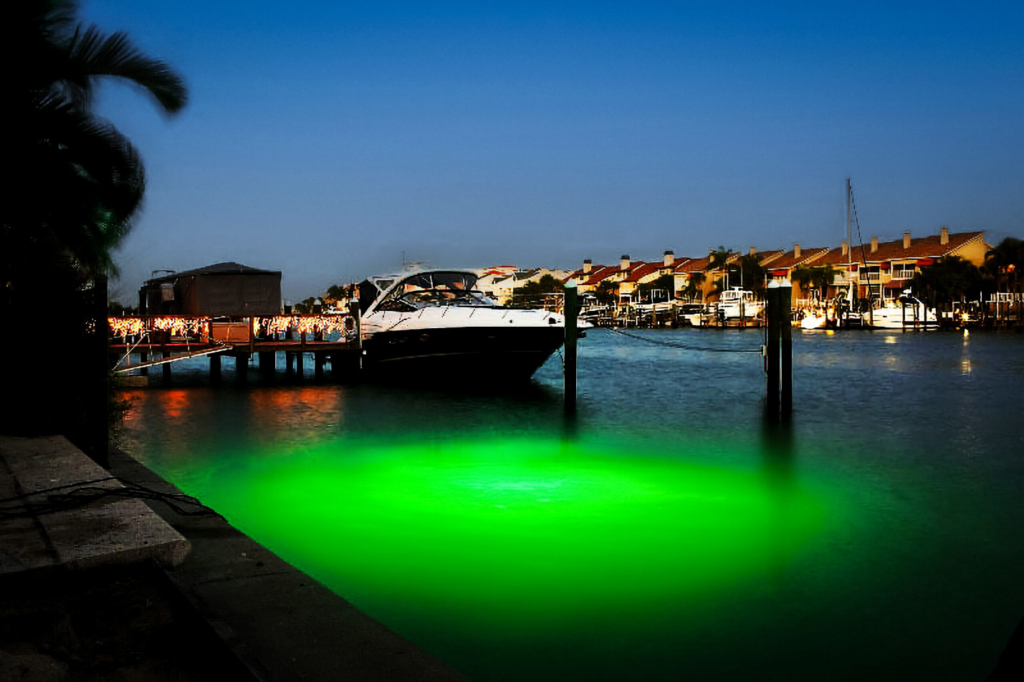
Underwater dock lights have become a popular addition for waterfront properties, especially along inlet waterways where visibility after sunset can make a noticeable difference. Whether you’re looking to better observe activity beneath the surface or simply enhance the way your dock interacts with the water at night, properly installed underwater LED lights can deliver a clean, consistent glow that transforms the space.
However, achieving that result is not just about choosing the right system. The way your underwater dock lights are installed plays a major role in how well they perform over time. Small mistakes during setup can lead to uneven lighting, reduced visibility, or the need for frequent adjustments. These issues are often easy to avoid with the right approach and a clear understanding of what matters during installation.
This is especially important for homeowners using underwater fishing lights or underwater fish lights in inlet waterways, where water movement and conditions can vary. Even high-quality marine underwater lights won’t deliver the expected results if they are placed incorrectly, not secured properly, or not maintained as needed.
In this guide, we’ll walk through the most common mistakes people make when installing underwater dock lights and explain how to avoid them. From placement and cable handling to understanding water conditions and routine cleaning, each section is designed to help you get consistent, reliable light output from your setup.
By taking the time to install your lights correctly from the start, you can create a more effective and enjoyable dock environment without unnecessary frustration later on.
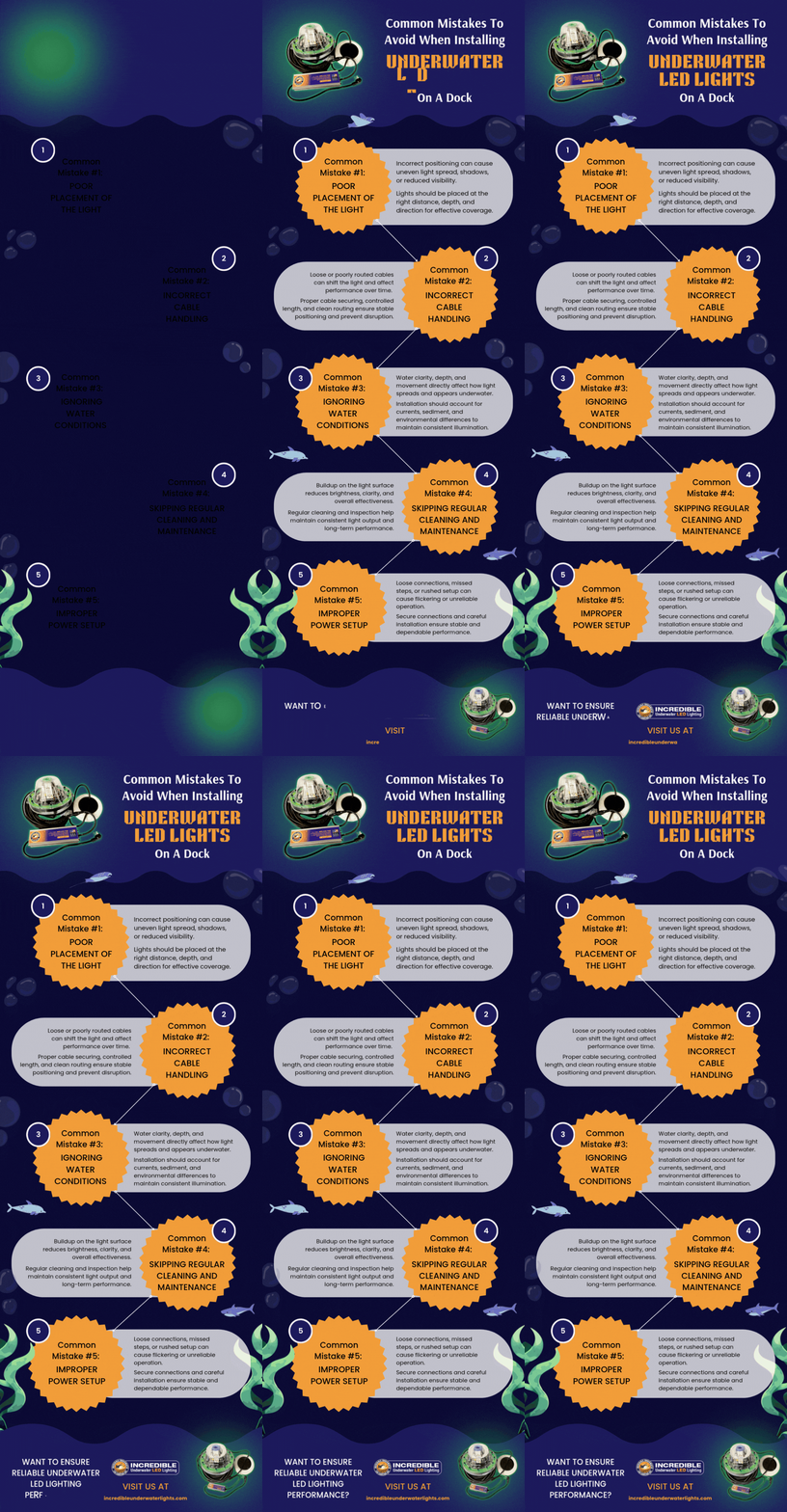
Common Mistake #1: Poor Placement of the Light
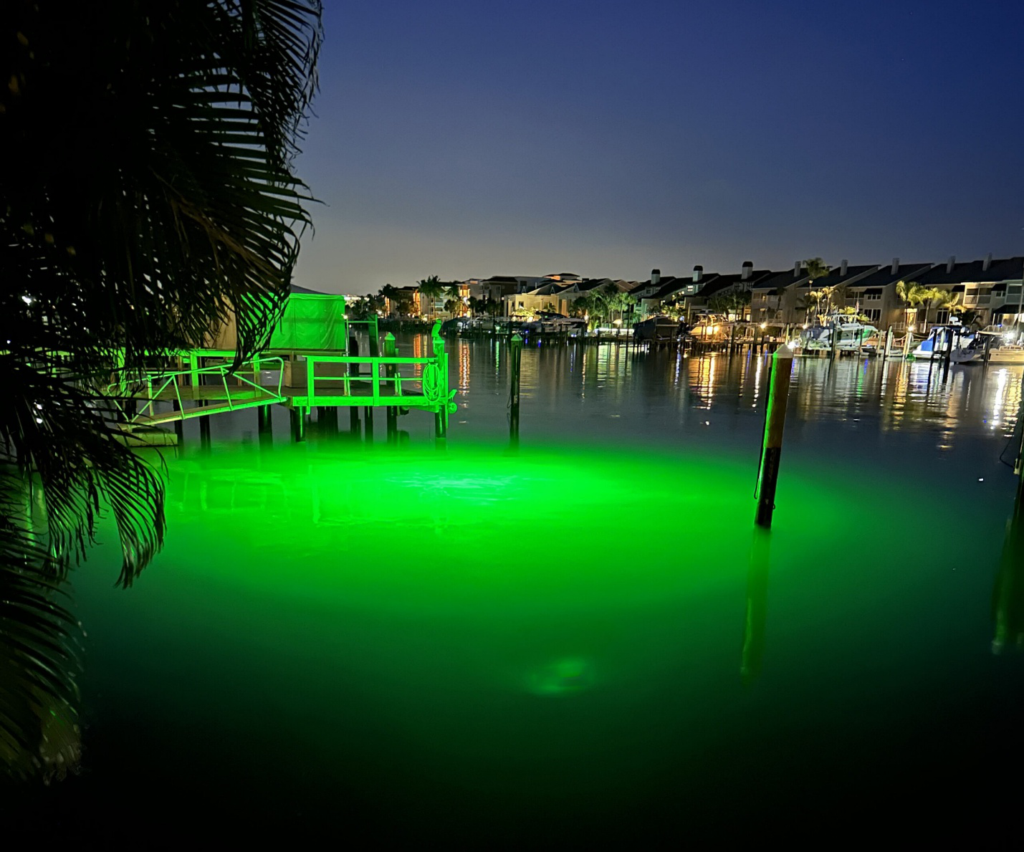
One of the most common issues people run into with underwater dock lights is poor placement. It might seem like a small detail, but where and how you position your light has a direct impact on how well it performs. Even high-quality underwater LED lights can produce uneven or limited results if they are not placed thoughtfully.
Placing the Light Too Close to the Dock
A frequent mistake is installing underwater dock lights too close to the dock structure itself. When the light is positioned right against pilings or underneath dense parts of the dock, the structure can block or absorb part of the light output. This reduces the overall spread and creates shadows in the water.
Instead, the goal should be to allow the light to project outward into open water. Giving the light a bit of space away from the dock helps create a more even and visible glow.
Positioning Too Far from the Target Area
On the other hand, placing the light too far away from the dock can also reduce its effectiveness. If the light is positioned too far out, the illuminated area may not align with where you actually want visibility.
This is especially important for those using underwater fishing lights or underwater fish lights. The placement should support visibility near the dock without pushing the light too far into areas where it becomes less useful.
Incorrect Depth in the Water
Depth is another factor that often gets overlooked. Placing underwater green lights too shallow can reduce how well the light spreads through the water. At the same time, placing them too deep can limit visibility closer to the surface.
Finding a balanced depth allows the light to distribute more evenly, especially in inlet waterways where water movement can shift how light behaves.
Not Accounting for Water Movement
Inlet waterways often have steady movement, which can influence how light travels and where it appears strongest. If underwater dock lights are installed without considering this, the light may not stay focused in the intended area.
It’s helpful to observe how the water moves around your dock before choosing a final position. This allows you to place the light where it can maintain a consistent presence rather than being affected by shifting currents.
How to Get Placement Right
To avoid these issues, focus on a few simple principles:
- Position the light slightly away from the dock for better spread
- Keep it close enough to highlight the desired area
- Choose a depth that allows for even light distribution
- Take water movement into account before final placement
Taking a few extra minutes to adjust placement during installation can make a noticeable difference in how your marine underwater lights perform. Proper positioning helps ensure your setup delivers a steady, clear glow where you need it most.
Common Mistake #2: Incorrect Cable Handling
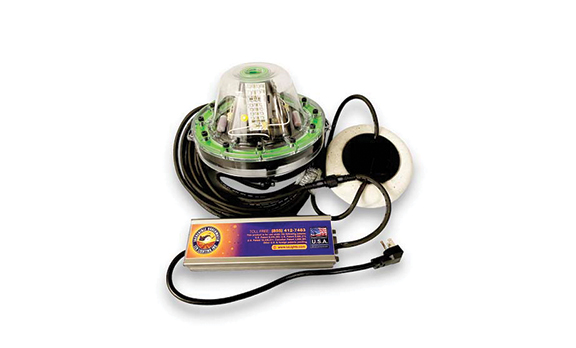
Cable handling is one of the most overlooked parts of installing underwater dock lights, yet it plays a major role in how well the entire setup functions. While most people focus on the light itself, poor cable management can lead to unnecessary movement, inconsistent positioning, and avoidable setup issues over time.
Leaving Cables Loose or Unsecured
One of the most common mistakes is leaving cables loose along the dock or in the water. When cables are not secured, they can shift with water movement or everyday activity around the dock. This can slowly pull the light out of position, affecting the way the light spreads in the water.
For underwater LED lights to maintain consistent output, they need to stay exactly where they were placed. A loose cable makes that difficult.
Allowing Excess Slack in the Water
Too much slack in the cable can also cause problems. When excess cable sits in the water, it may drift or wrap around nearby structures. Over time, this can lead to tangling or gradual repositioning of the light.
For underwater dock lights and underwater fishing lights, even small shifts in position can change how effective the light is. Keeping the cable at an appropriate length helps maintain a stable setup.
Not Routing Cables Properly Along the Dock
Another common issue is poor cable routing along the dock surface. Cables that are not guided properly can become a tripping hazard or get caught on equipment. This not only affects safety but can also disturb the placement of the light if the cable is accidentally pulled.
A clean cable path keeps everything organized and reduces the chance of disruption.
Sharp Bends and Strain Points
Improper handling can also create unnecessary strain on the cable. Sharp bends or tight angles may weaken the cable over time or make it harder to keep the light in a steady position.
Smooth, gradual routing helps maintain a more reliable setup and supports consistent performance from your marine underwater lights.
Simple Cable Management Practices That Make a Difference
To avoid these issues, a few simple steps can go a long way:
- Secure the cable along the dock to prevent movement
- Avoid leaving excess slack in the water
- Route cables neatly to keep the area organized
- Prevent sharp bends or tight stress points
Taking the time to manage cables properly ensures that your underwater green lights stay in place and continue to provide steady illumination. It’s a small part of the installation process, but it has a lasting impact on how well your underwater fish lights perform day after day.
Common Mistake #3: Ignoring Water Conditions
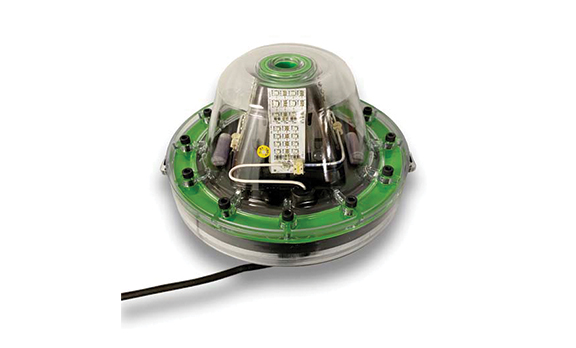
Another major mistake when installing underwater dock lights is overlooking the conditions of the water itself. Many people assume that once the light is in place, it will perform the same way in every environment. In reality, water conditions play a big role in how underwater LED lights appear and how far the light travels.
Not Considering Water Clarity
Water clarity has a direct impact on how visible your underwater green lights will be. In clearer water, light can travel farther and appear more defined. In water with more particles or sediment, the glow may appear softer and more concentrated around the light.
If this is not taken into account during installation, the results may not match expectations. This is especially important for homeowners using underwater fishing lights or underwater fish lights, where visibility in the surrounding area matters.
Overlooking Movement in Inlet Waterways
Inlet waterways are known for having steady water movement. This movement can affect how light spreads and how stable the illuminated area appears. If marine underwater lights are installed without considering this factor, the light may not stay focused where it is most useful.
For example, shifting water can slightly reposition the light or influence how particles in the water reflect the light. This can change the overall appearance from one moment to the next.
Taking time to observe how water moves around your dock before installation can help you choose a better placement that supports more consistent results.
Treating All Water Environments the Same
Another common mistake is assuming that all waterfront properties behave the same. Inlet waterways and lakes can have very different characteristics. Water movement, clarity, and depth can vary, which means the same setup may not work equally well in every location.
Understanding the type of water your dock sits on allows you to make better decisions about placement and positioning. This helps ensure your underwater dock lights perform as expected.
Not Adjusting After Installation
Water conditions are not always static. Changes in weather, tides, or seasonal factors can slightly alter how your underwater LED lights appear. Many people install their lights once and never revisit the setup, even if conditions change.
Making small adjustments over time can help maintain consistent light output. This might include repositioning the light slightly or checking that it remains in the ideal spot.
How to Work With Water Conditions Instead of Against Them
To avoid these issues, keep these simple points in mind:
- Pay attention to water clarity before installing your lights
- Observe how water moves around your dock
- Adjust placement based on your specific environment
- Recheck positioning occasionally as conditions change
By understanding and working with your environment, you can get better performance from your underwater dock lights. Whether you’re using underwater fishing lights or marine underwater lights, adapting to water conditions helps create a more stable and effective lighting setup.
Common Mistake #4: Skipping Regular Cleaning and Maintenance
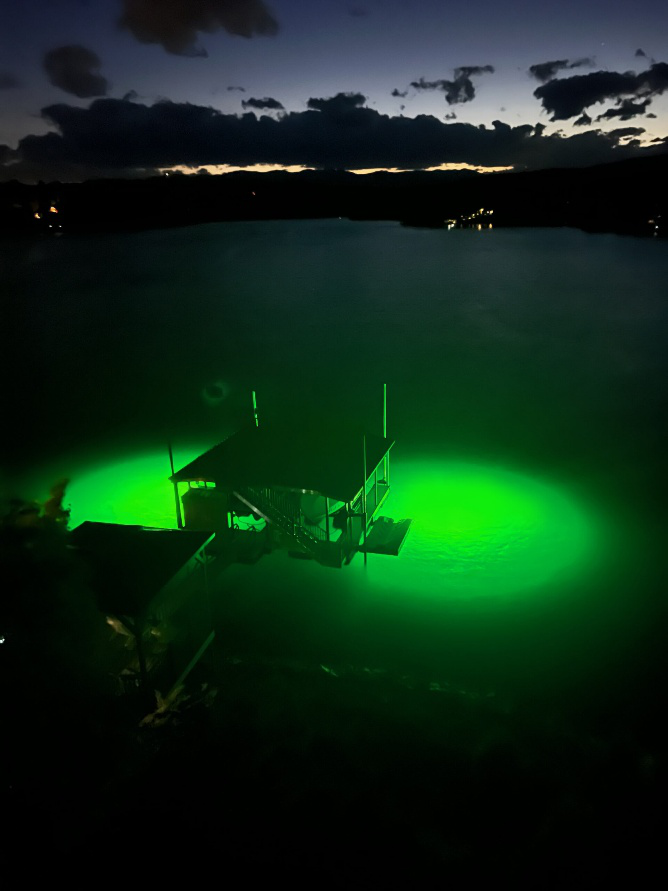
A mistake that often goes unnoticed until it affects performance is skipping regular cleaning and maintenance. Many people install their underwater dock lights and expect them to perform the same way over time without any upkeep. In reality, some level of maintenance is necessary to keep the light output consistent.
Buildup on the Light Surface
Once installed, underwater LED lights are constantly exposed to the surrounding water. Over time, natural buildup can form on the surface of the light. This layer can gradually reduce how clearly the light shines through the water.
When this happens, underwater green lights may start to appear dimmer or less defined than when they were first installed. The change can be subtle at first, which is why it often goes unnoticed until the difference becomes more obvious.
Reduced Light Output Over Time
As buildup increases, it can interfere with how light spreads outward. Instead of a clean, even glow, the light may appear uneven or concentrated in a smaller area.
For those using underwater fishing lights, this can affect how well the illuminated area performs. What once provided clear visibility may begin to feel limited simply due to a lack of cleaning.
Assuming Maintenance Isn’t Needed
One of the biggest misconceptions is that marine underwater lights do not require any attention after installation. This often leads to long periods without checking or cleaning the light.
In reality, periodic maintenance is a normal part of keeping underwater dock lights working as expected. Ignoring this step can shorten the effectiveness of the setup and lead to unnecessary adjustments later.
Simple Maintenance Practices That Help
Keeping your lights in good condition does not require complicated steps. A simple routine can make a noticeable difference:
- Check the light surface periodically for buildup
- Clean the light gently to maintain clarity
- Inspect the setup to ensure the light remains properly positioned
These small actions help maintain a consistent level of brightness and keep the light performing the way it should.
What to Watch for Over Time
There are a few signs that your underwater LED lights may need attention:
- The light appears dimmer than usual
- The glow is not as evenly distributed
- Visibility in the water has decreased
If you notice any of these changes, a quick cleaning and inspection can often restore the expected results.
By making cleaning and maintenance part of your routine, you can keep your underwater dock lights performing consistently. It’s a simple step that helps protect the quality of your setup and ensures your underwater green lights continue to provide clear, reliable illumination.
Common Mistake #5: Improper Power Setup
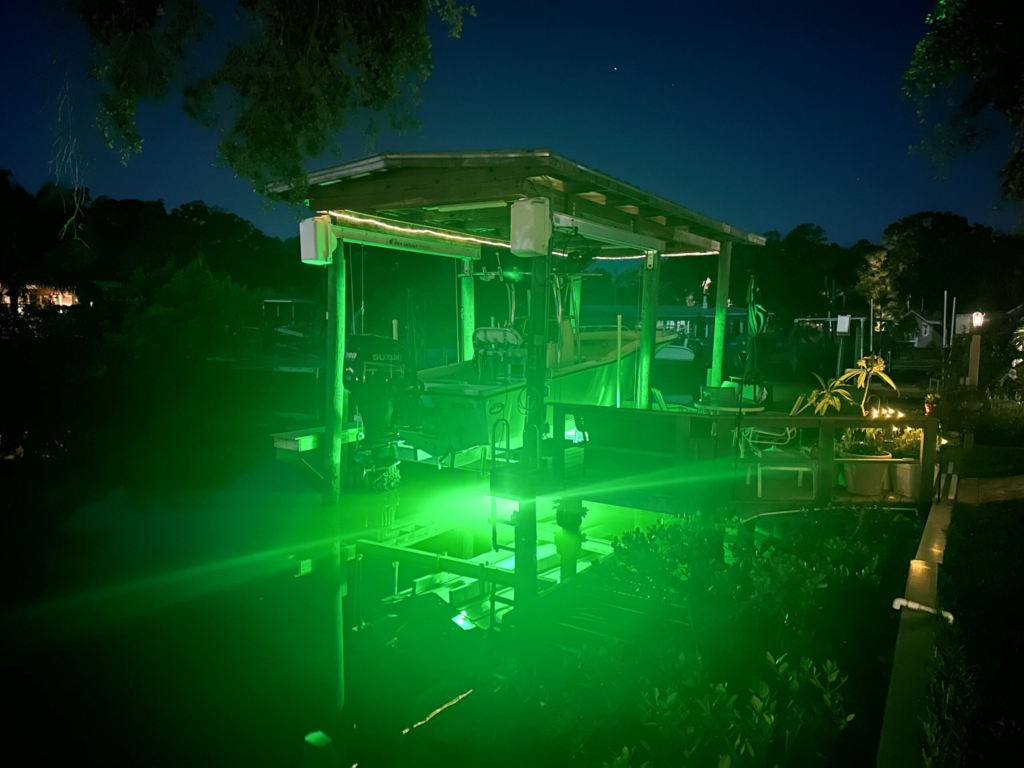
Another common issue that can affect the performance of underwater dock lights is an improper power setup. While installation is generally straightforward, rushing through the final steps or overlooking small details can lead to inconsistent operation or unnecessary troubleshooting later.
Rushing the Setup Process
One of the biggest mistakes is trying to complete the installation too quickly. Even though underwater LED lights are designed for simple setup, skipping steps or not paying close attention during installation can create avoidable issues.
For example, not fully securing connections or failing to double-check the setup before turning the system on can result in the light not functioning as expected. Taking a few extra minutes during installation can prevent these problems.
Loose or Unstable Connections
A stable connection is essential for consistent performance. If any part of the power setup is loose or not properly connected, the light may flicker, fail to turn on, or operate inconsistently.
This applies to all types of setups, including underwater fishing lights and underwater fish lights. A reliable connection ensures that the light remains steady and performs the way it should every time it is used.
Not Following Setup Instructions Carefully
Each lighting system is designed to be installed in a specific way. Ignoring or skimming through instructions can lead to incorrect setup, even if everything appears to be in place.
Marine underwater lights are built for ease of use, but they still require proper installation steps to be followed. Paying attention to these details helps avoid unnecessary adjustments after the fact.
Overlooking Final Checks
Another common mistake is not testing the setup thoroughly after installation. Some users plug in their underwater dock lights and assume everything is working correctly without observing how the light performs in the water.
A quick test allows you to confirm:
- The light turns on properly
- The illumination is steady
- The positioning is correct
If something is off, it’s much easier to fix it immediately rather than revisiting the setup later.
Keeping the Setup Simple and Effective
To avoid power-related issues, focus on a careful and complete installation process:
- Take your time during setup instead of rushing
- Ensure all connections are secure
- Follow instructions step by step
- Test the light before considering the installation complete
Underwater green lights are designed to be easy to install and use, but proper setup is still essential for consistent results. By paying attention to these final steps, you can avoid common power-related mistakes and ensure your underwater dock lights perform reliably from the start.
Common Mistake #6: Overlooking Light Position Changes Over Time
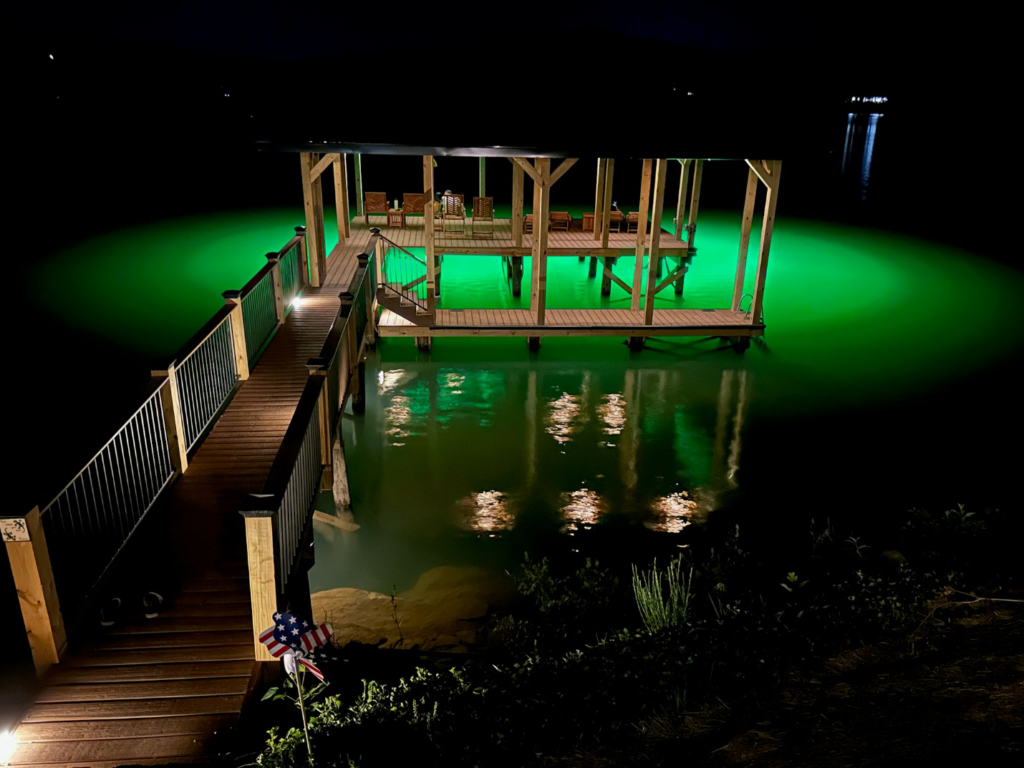
Even after a proper installation, many people assume their underwater dock lights will stay perfectly positioned indefinitely. In reality, small shifts can happen over time, and ignoring them can affect how well the light performs.
Natural Movement in the Water
Water movement, especially in inlet waterways, can gradually influence the position of your underwater LED lights. Even if the light was placed correctly at the start, subtle shifts can occur due to currents or regular activity around the dock.
These changes may not be obvious right away, but over time they can impact how the light spreads and where the brightest area appears.
Dock Activity and Everyday Use
Docks are active spaces. People walking, tying boats, or moving equipment can sometimes cause slight adjustments to cables or the light itself. If the setup is not checked occasionally, these small changes can add up.
For underwater fishing lights and underwater fish lights, even a minor shift in direction or depth can change how effective the illuminated area is.
Gradual Changes in Light Coverage
When a light moves out of its original position, the coverage area can become uneven. You may notice that the glow is no longer centered where you want it, or that certain areas are less visible than before.
This is often mistaken for a performance issue, when in reality it is simply a positioning adjustment that needs to be corrected.
Why Periodic Checks Matter
A quick visual check every so often can help ensure your underwater dock lights are still positioned correctly. This does not require a full reinstall, just a simple confirmation that everything remains in place.
If needed, small adjustments can bring the light back to its ideal position and restore even coverage.
Get Reliable Results with Incredible Underwater LED Lighting
If you want your underwater dock lights to perform consistently, it all starts with choosing the right system and installing it the right way. At Incredible Underwater LED Lighting, we focus on providing high-quality underwater LED lights that are designed for simple setup and dependable performance in real dock environments.
Whether you’re setting up underwater fishing lights for better visibility or upgrading your dock with underwater green lights, having the right equipment makes the process easier from the start. Our lighting systems are built to work effectively in inlet waterways and waterfront dock setups, helping you achieve a clean, steady glow where it matters most.
We offer proven options like the Apollo Underwater LED Lighting System, Apollo IRIS Underwater LED Lighting System, Mega-Watt Underwater LED Lighting System, and Mega-Watt IRIS Underwater LED Lighting System—each designed to give you a straightforward installation experience and consistent light output when properly set up and maintained.
Take the next step toward a better dock lighting setup with Incredible Underwater LED Lighting. Explore our range of underwater LED lights and underwater fishing lights today and get a system that works the way you expect from day one.
Frequently Asked Questions
What are the most common mistakes when installing underwater dock lights?
Some of the most common mistakes include poor placement, incorrect cable handling, ignoring water conditions, and skipping routine cleaning. These issues can affect how well underwater dock lights perform and how evenly they illuminate the surrounding water.
How should underwater dock lights be positioned for the best results?
Underwater dock lights should be positioned with enough space from the dock structure to allow light to spread evenly. Placement should also take into account water movement, especially in inlet waterways, to help maintain consistent visibility.
Why does water condition matter for underwater green lights?
Water conditions like clarity and movement can influence how underwater green lights appear. In clearer water, light may travel farther, while in water with more movement or particles, the light may appear more concentrated. Understanding your environment helps improve installation results.
Where are underwater LED lights most commonly used?
Underwater LED lights are most commonly used around dock setups, especially along inlet waterways and waterfront properties. These locations benefit from consistent lighting that helps improve visibility and enhance the overall dock environment.
Do underwater fishing lights require regular maintenance?
Yes, underwater fishing lights benefit from regular maintenance. Over time, buildup on the light surface can affect how clearly the light shines through the water. Periodic cleaning helps maintain steady performance and consistent light output.
