
Shopping Cart
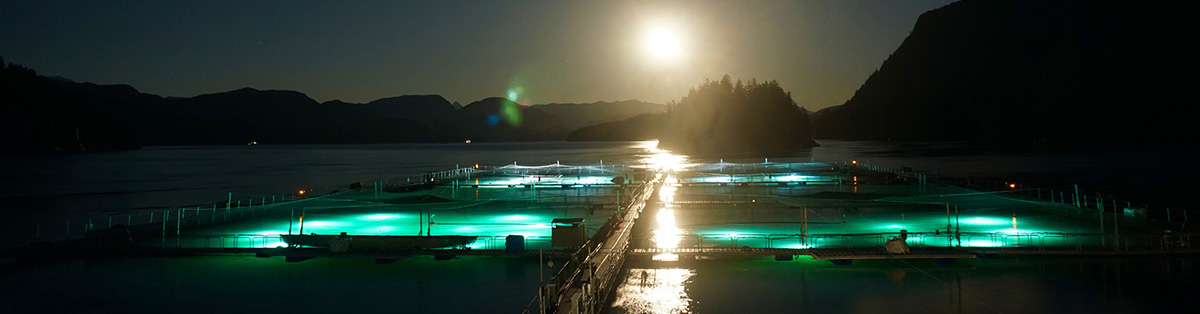
Choosing the Right Underwater LED Lights for Dock and Beach Front Installations
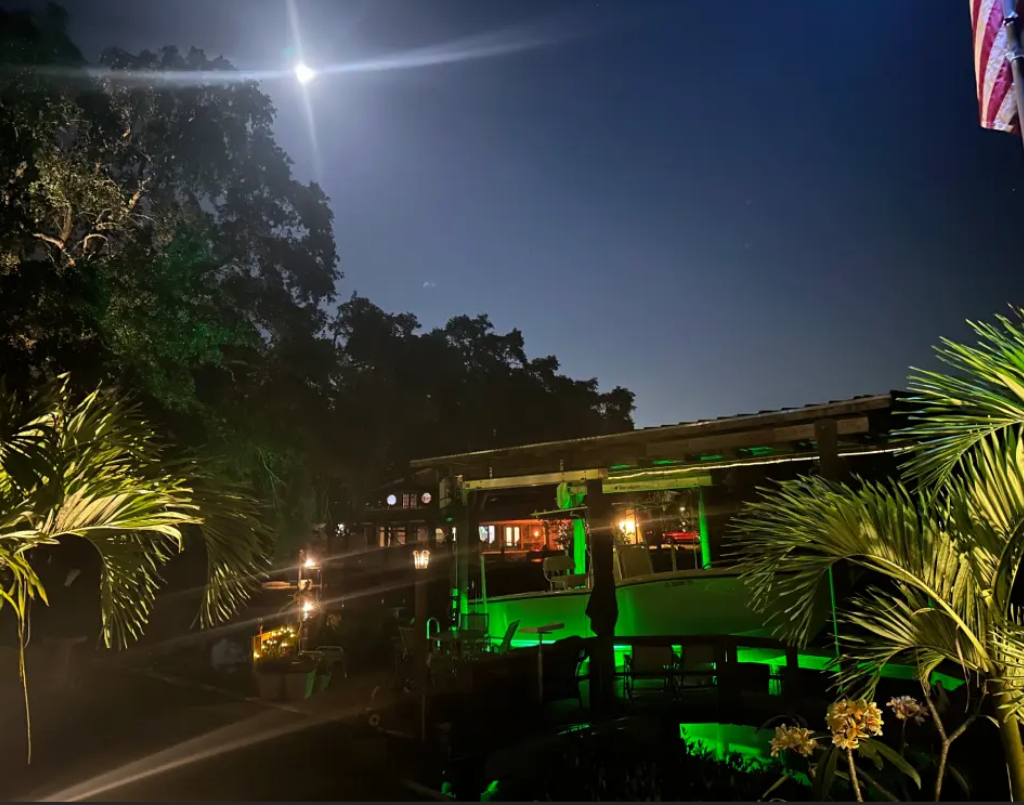
When we think about improving the atmosphere around a dock or beach front property, lighting often becomes part of the conversation fairly quickly. During the evening hours, underwater lighting can completely change how the surrounding water looks and feels, adding visibility beneath the surface and creating a more active waterfront environment after dark.
That’s one reason why Underwater LED Lights have become a common addition for many dock and shoreline installations. Whether the goal is to improve nighttime visibility around the water or simply create a more engaging waterfront setup, underwater lighting offers a practical way to illuminate areas that would otherwise disappear after sunset.
For many property owners, green underwater lighting has become a familiar option in these environments. Underwater Green Lights are frequently used around docks and beach front properties because of how visible green illumination can appear underwater at night. Depending on water clarity and placement, the lighting can help reveal movement and activity beneath the surface while creating a distinct nighttime appearance around the dock area.
At the same time, choosing the right setup involves more than simply selecting a light and placing it in the water. Factors like installation location, beam coverage, water conditions, mounting depth, and ongoing maintenance all play an important role in how Marine Underwater Lights perform over time. Regular cleaning, for example, is an important part of maintaining consistent visibility and helping prevent buildup from affecting light output.
In this guide, we’ll walk through the key things to consider when selecting Underwater Dock Lights and Underwater Fish Lights for dock and beach front environments. We’ll cover how these systems are commonly used, what to expect during installation, and the maintenance considerations property owners should keep in mind before choosing a lighting setup.
Understanding How Underwater LED Lights Work in Dock and Beach Front Settings
Adding Underwater LED Lights to a dock or beach front property is about more than simply placing lighting below the waterline. The way underwater lighting performs depends heavily on placement, water conditions, mounting depth, and the overall layout of the property. Before choosing a system, it helps to understand how underwater lighting functions in these environments and what property owners should realistically expect once the lights are installed.
What Underwater LED Lights Are Designed to Do
In dock and shoreline environments, Underwater LED Lights are primarily used to improve underwater visibility during nighttime hours. Once installed beneath the waterline, the lights illuminate the surrounding water area and make underwater movement easier to observe after dark.
The way light appears underwater can vary from one property to another. Clear water may allow light to spread farther outward, while areas with more sediment or algae can reduce visible coverage. Water movement can also affect how the illuminated area looks throughout the evening. Because of this, lighting placement becomes an important part of the overall setup.
Common Dock and Beach Front Lighting Configurations
When planning a lighting layout, placement strategy matters just as much as the lighting itself. For docks, underwater dock lights are commonly mounted along the outer edges of the structure to create more balanced underwater coverage around the surrounding area.
On beach front properties, lighting placement may vary depending on shoreline layout and water depth. Some installations focus on illuminating shallower water close to the shoreline, while others position lights slightly farther outward to extend visible underwater coverage.
Spacing is another important consideration. Placing lights too close together can create overly concentrated illumination in one area, while placing them too far apart may leave darker sections between fixtures. The goal is usually to create consistent underwater visibility across the intended area without uneven coverage.
Key Factors to Consider When Choosing Underwater Dock Lights
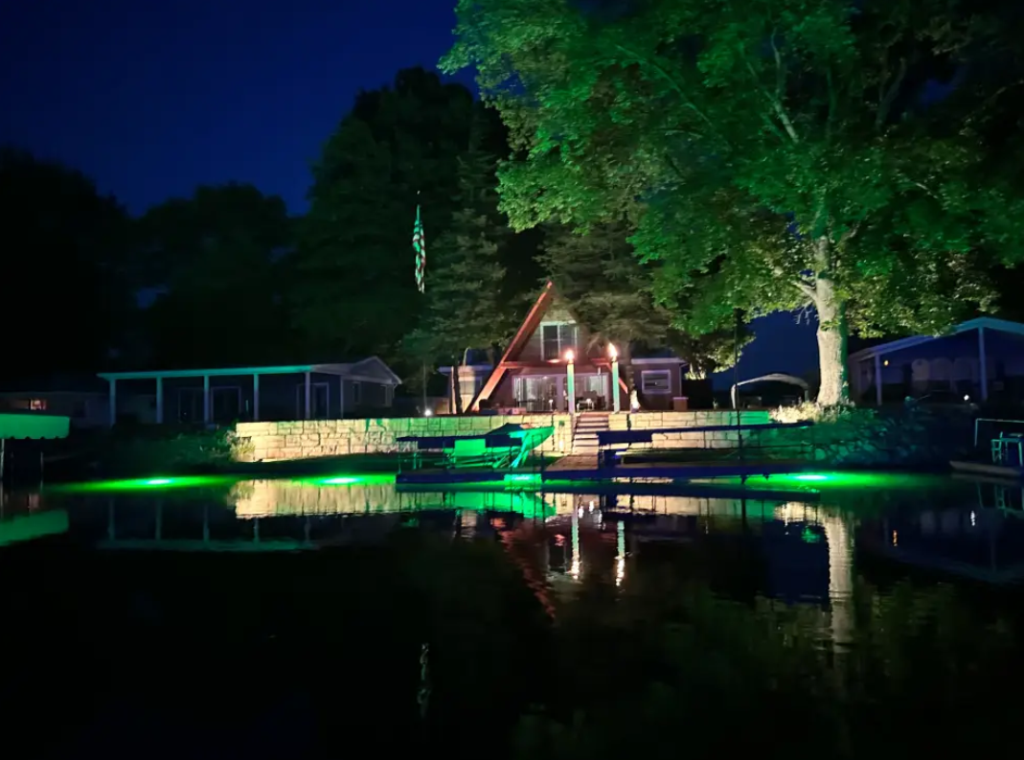
Not every waterfront property has the same lighting needs. A smaller residential dock may require a very different setup than a larger beach front installation with extended shoreline coverage. That’s why choosing the right underwater dock lights starts with understanding how the lighting will interact with the surrounding environment.
From visibility expectations to installation planning, several factors can influence how well a lighting system performs once it’s installed.
Choosing the Right Brightness Level
One of the first things many property owners consider is brightness. While it may seem straightforward, selecting the right output level for underwater LED lights depends on more than simply choosing the highest available option.
Water clarity plays a major role in how visible underwater lighting appears at night. In clearer conditions, illumination may spread farther outward from the fixture. In areas with more suspended particles or algae, visibility may naturally become more limited. Because of this, the same lighting setup can appear very different from one property to another.
Dock size and shoreline layout also influence lighting requirements. A smaller dock area may only need a few carefully positioned fixtures to create consistent underwater visibility, while larger waterfront spaces may require a more evenly distributed layout.
Understanding Beam Spread and Coverage
Beam spread affects how light disperses underwater once the fixture is operating. Some marine underwater lights create a tighter lighting pattern concentrated around a smaller area, while others distribute illumination across a wider section of water.
This becomes especially important when planning coverage around docks and beach front properties. Wider light spread may help create broader underwater visibility near larger dock structures, while narrower coverage may work better in more focused installation areas.
Placement strategy also affects the final appearance. The distance between fixtures, mounting depth, and angle of installation can all influence how evenly the lighting spreads through the water.
Matching the Lighting Setup to Dock and Beach Front Conditions
Waterfront environments are constantly changing. Water movement, seasonal conditions, and underwater growth can all affect how Underwater Green Lights appear over time.
In calmer conditions, underwater illumination may appear more stable and evenly distributed. In areas with stronger movement or changing water clarity, the visible lighting effect may shift throughout the evening. This is a normal part of underwater lighting performance in dock and shoreline environments.
Structural layout is another important factor. Pilings, dock platforms, ladders, and nearby shoreline features can influence where fixtures are positioned and how the illuminated area ultimately appears underwater.
Power and Installation Planning
Before installing underwater dock lights, it’s important to review the property’s power access points and overall installation layout. Cable routing, mounting locations, and fixture spacing should all be considered early in the planning process.
Many property owners benefit from measuring installation distances ahead of time to better understand cable requirements and fixture placement options. Reviewing product specifications carefully can also help ensure the lighting system aligns with the intended dock or shoreline setup.
Installation planning is often easier when approached as part of the overall waterfront layout rather than as a last-minute addition. Taking the time to map out placement locations and coverage expectations beforehand can help create a more consistent underwater lighting arrangement once the system is in use.
Why Underwater Green Lights Are Commonly Used Around Docks and Beach Front Properties
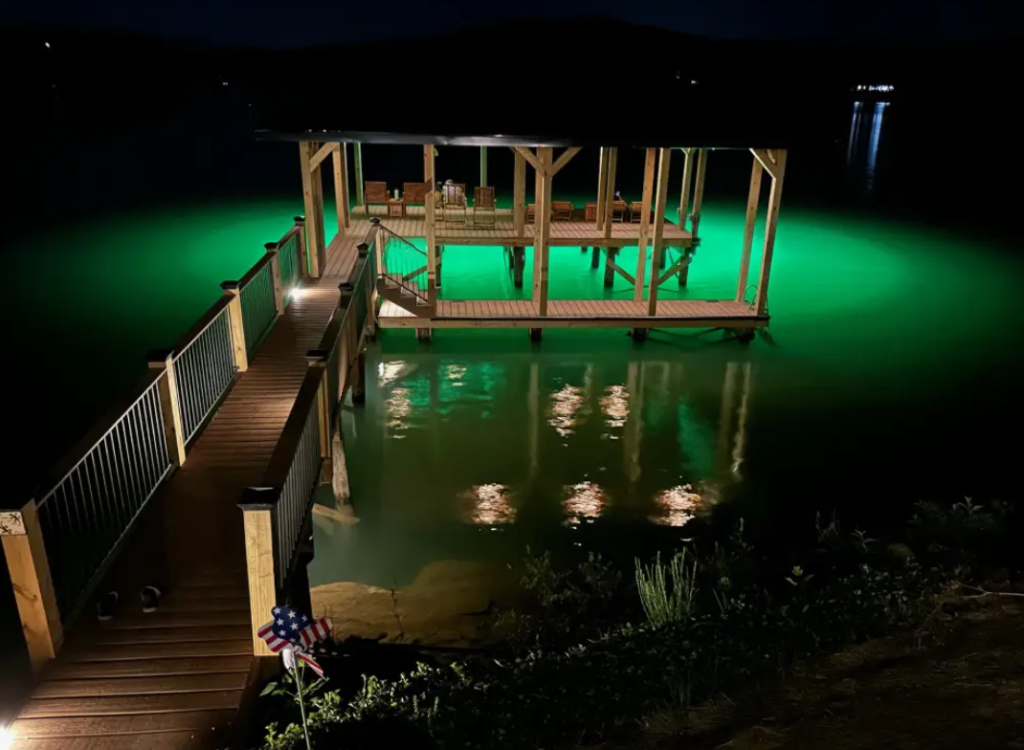
When people picture nighttime underwater lighting around a dock or beach front property, green illumination is often what comes to mind first. Over time, underwater green lights have become a familiar choice in waterfront environments because of how visible green lighting can appear beneath the surface after dark.
For many property owners, the appeal comes from the way underwater green illumination changes the appearance of the surrounding water at night. Whether installed along a dock or near a shoreline structure, the lighting can create a clearly defined underwater viewing area that remains visible from above the surface.
Visibility Characteristics of Underwater Green Lights
One reason green illumination is commonly used in underwater LED lights is its visibility underwater in a range of dock and beach front conditions. Depending on water clarity and placement depth, green lighting can spread through the surrounding water and create a noticeable illuminated area beneath the dock or shoreline structure.
The visible effect can vary throughout the year based on seasonal water conditions. In clearer water, the illuminated area may appear broader and more defined. In water with more sediment or algae, the visible coverage may become more concentrated closer to the fixture itself.
How Property Owners Use Underwater Fish Lights
Many waterfront property owners also install underwater fish lights to create a more active nighttime environment around docks and shoreline areas. Illuminated water often makes underwater movement easier to observe after sunset, especially in areas where visibility would otherwise be limited at night.
Around docks and beach front properties, underwater fishing lights are commonly used in areas where people spend time outdoors during the evening hours. The illuminated water can add visual interest to the surrounding environment while improving visibility beneath the surface near the dock structure.
The experience itself can vary depending on factors like water movement, clarity, and fixture placement. Some installations create a concentrated illuminated zone directly beneath the dock, while others provide a wider visible area extending farther outward into the surrounding water.
Installation Expectations for Marine Underwater Lights
Installing marine underwater lights around a dock or beach front property involves more than selecting fixture locations and lowering the lights into the water. Proper planning plays an important role in how the system performs once it is operating, especially when it comes to coverage, visibility, and ongoing maintenance access.
Preparing for Installation
Before installing underwater dock lights, it’s important to review the overall layout of the dock or shoreline structure. Mounting locations, water depth, and available power access points should all be considered early in the planning process.
Many property owners begin by identifying the specific areas they want illuminated during nighttime hours. Some focus on coverage directly around the dock perimeter, while others prioritize visibility extending outward from shoreline structures.
Measuring cable distances ahead of installation can also help simplify fixture placement planning. Understanding how far each fixture will sit from the power source may make it easier to organize cable routing and determine practical mounting locations before installation begins.
Water conditions should also be considered during preparation. Changes in water clarity, tide movement, and underwater growth can all influence how the lighting will appear once installed.
Placement Considerations for Consistent Coverage
Placement strategy has a direct impact on how underwater LED lights appear underwater at night. Fixture spacing, mounting depth, and positioning angle all influence how illumination spreads through the surrounding water.
Lights installed too close together may create concentrated illuminated areas, while fixtures spaced too far apart can leave darker sections between coverage zones. Many waterfront property owners aim for balanced placement that creates a smoother underwater viewing area around the dock or shoreline.
Depth positioning can also affect visibility. Fixtures mounted closer to the surface may create a different lighting spread than lights installed deeper underwater. Water clarity and bottom conditions further influence how visible the illuminated area appears during nighttime operation.
Understanding Ongoing Maintenance Needs
Like most equipment installed in marine environments, marine underwater lights require ongoing maintenance to continue operating consistently over time.
One of the most important maintenance tasks is periodic cleaning. Over time, underwater growth, algae, and debris can accumulate on the fixture surface and affect visible light output. Cleaning schedules may vary depending on local water conditions and the amount of buildup that occurs throughout the year.
Routine cleaning is also important for helping reduce the likelihood of premature performance issues caused by excessive accumulation around the fixture. In many dock and beach front environments, maintenance becomes a normal part of long-term underwater lighting ownership.
Choosing Underwater Fishing Lights for Long-Term Use Around Docks
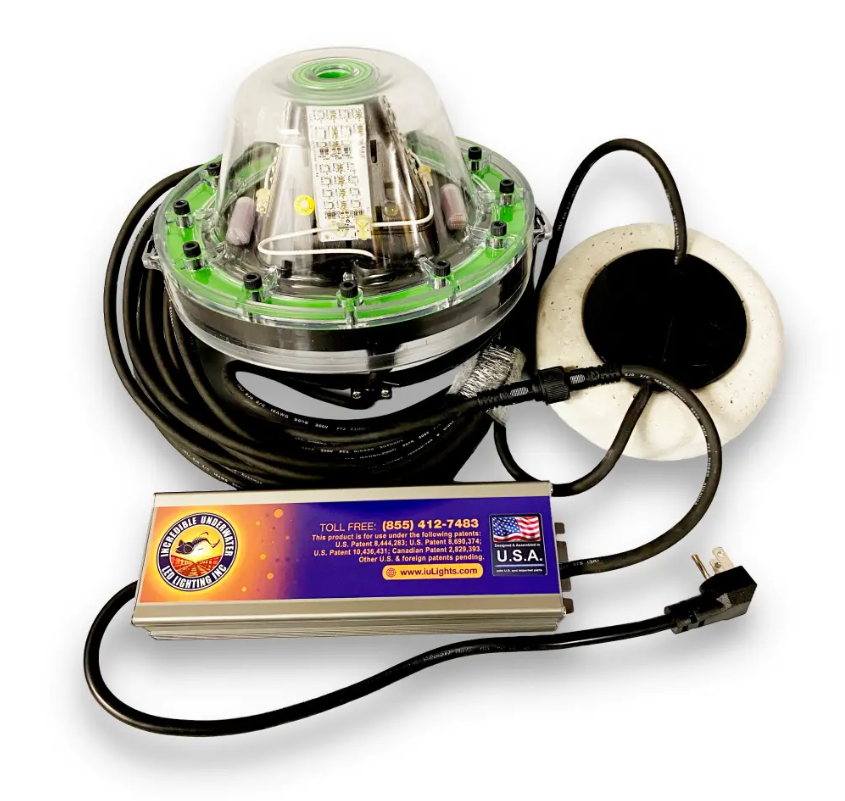
Selecting the right underwater lighting setup often comes down to understanding how the system will fit the property both visually and functionally over time. Every dock and beach front installation has different conditions, which is why many property owners take time to evaluate coverage needs, installation layout, and maintenance expectations before choosing a lighting configuration.
Selecting a Lighting Configuration That Fits the Property
When choosing underwater fishing lights, one of the first considerations is the overall layout of the dock or shoreline area. Smaller docks may require a simpler arrangement with fewer fixtures, while larger waterfront properties may benefit from more evenly distributed lighting coverage.
Water depth and visibility conditions also influence how underwater dock lights appear once they are operating. In some areas, a concentrated lighting setup near the dock may provide the desired effect, while other properties may require wider spacing to create more balanced underwater illumination.
The surrounding structure itself also affects installation planning. Dock pilings, platforms, ladders, and shoreline features can all influence fixture placement and visible coverage patterns underwater.
Reviewing Product Specifications Carefully
Before selecting marine underwater lights, reviewing product specifications closely can help ensure the system aligns with the intended installation environment.
Voltage requirements, cable lengths, mounting methods, and fixture dimensions are all important details to evaluate before installation begins. Understanding these specifications early can help simplify planning and reduce potential adjustments later during setup.
Many property owners also review recommended installation depths and spacing guidelines when comparing underwater LED lights for dock and beach front applications. These details can provide a clearer picture of how the lighting system may perform within the intended coverage area.
Taking a practical approach during the selection process can help create a lighting arrangement that works well with the dock structure, surrounding water conditions, and overall waterfront layout over time.
Explore Underwater Lighting Solutions from Incredible Underwater LED Lights
Finding the right underwater lighting setup for a dock or beach front property starts with understanding the environment, the installation layout, and the type of visibility you want to create after dark. From selecting the proper fixture placement to planning for ongoing maintenance, every detail plays a role in building a lighting system that fits your waterfront space.
At Incredible Underwater LED Lights, we focus on underwater lighting solutions designed specifically for dock and beach front applications. Whether you are researching underwater led lights, planning a new installation of underwater dock lights, or exploring options for underwater green lights, our team understands the unique considerations involved in waterfront lighting environments.
We know that every property has different water conditions, dock layouts, and coverage goals. That’s why it’s important to review installation requirements carefully and choose a setup that aligns with the specific needs of your shoreline space.

If you’re looking to learn more about marine underwater lights, underwater fish lights, or underwater fishing lights for your dock or beach front property, Incredible Underwater LED Lights offers additional information to help you better understand your available options and installation considerations.
Visit Incredible Underwater LED Lights to explore underwater lighting solutions designed for waterfront environments.
