
Shopping Cart
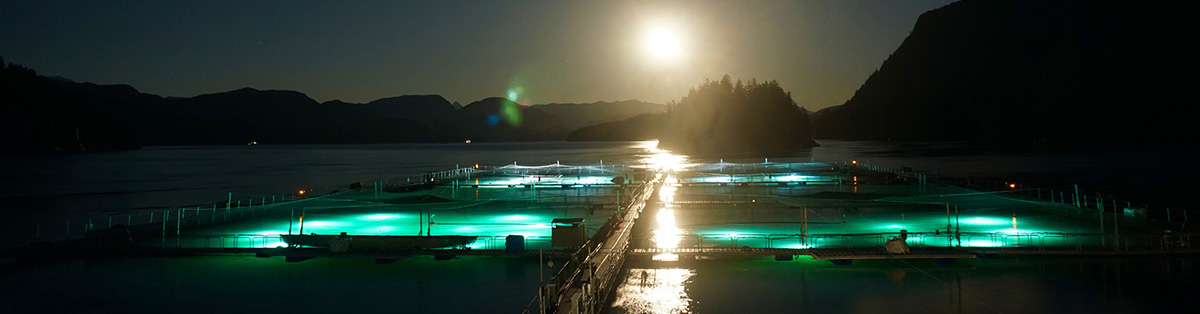
The Ultimate Dock Lighting & Installation Guide
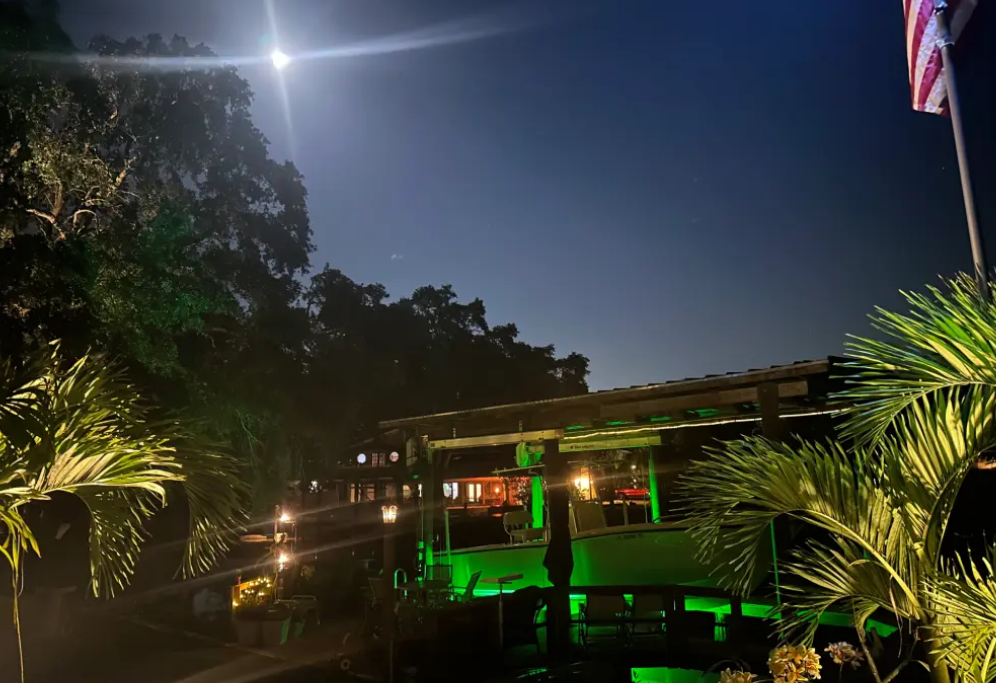
Whether your goal is attracting more fish, improving nighttime visibility, enhancing waterfront safety, or creating a stunning visual effect around your property, underwater dock lighting can transform the way you experience your dock after dark.
Today’s underwater LED lights are more powerful, energy-efficient, and durable than ever before. Modern systems can illuminate large sections of water, highlight waterfront architecture, increase dock safety, and even create feeding zones that attract baitfish and larger game fish.
However, choosing the right lighting system involves much more than selecting a fixture and mounting it beneath a dock. Factors such as water depth, dock size, placement strategy, power requirements, lighting color, beam patterns, and environmental conditions all play a role in determining how effective your installation will be.
That’s why we’ve created this comprehensive guide. Keep reading to learn more!
Why Underwater Dock Lighting Has Become Essential for Waterfront Properties
Underwater lighting has evolved from a luxury feature into a practical investment for many waterfront property owners. While the visual appeal remains one of the primary reasons people install underwater dock lights, modern systems provide benefits that extend far beyond aesthetics.
What Are Underwater LED Lights?
Underwater LED lights are specialized lighting fixtures designed to operate beneath the water’s surface. Unlike traditional dock lighting, which illuminates walkways and above-water structures, underwater lights project light directly into the surrounding water.
These fixtures are typically mounted to dock pilings, seawalls, boat lifts, marina structures, or the underside of docks. Once installed, they create a controlled illumination zone beneath and around the structure.
Benefits of Underwater Dock Lights
The growing popularity of underwater dock lights is driven by the wide range of benefits they provide. While every property owner may prioritize different outcomes, most installations deliver advantages across four primary categories.
Enhanced Waterfront Aesthetics
One of the most immediate benefits of underwater lighting is the dramatic visual effect it creates.
Strategically placed fixtures can produce a soft ambient glow around your dock, illuminate waterfront structures, and create a striking nighttime focal point. The reflection of light through moving water adds depth and movement that traditional landscape lighting simply cannot replicate.
For waterfront homeowners who entertain guests or spend evenings outdoors, underwater dock lights create an inviting atmosphere that extends the usability of the property long after sunset.
Improved Safety and Visibility
Visibility becomes increasingly important around docks after dark. Poorly lit areas can increase the risk of slips, trips, falls, and boating accidents.
Underwater lighting helps define the perimeter of docks and surrounding structures while improving visibility in and around the water. Combined with traditional dock lighting, underwater systems can make navigating waterfront environments significantly easier during nighttime hours.
Increased Fishing Opportunities
One of the most popular applications for underwater green lights and underwater fish lights is attracting marine life.
The process begins when the light attracts microscopic organisms such as plankton. Baitfish are drawn toward these food sources, and larger predatory fish often follow.
Underwater Dock Lights vs Surface Dock Lights
Many waterfront property owners initially assume that traditional dock lighting and underwater lighting serve the same purpose. While both contribute to visibility and aesthetics, they perform very different functions.
Surface dock lights are installed above the waterline and primarily illuminate walking surfaces, dock structures, pathways, and surrounding land areas. Their primary purpose is safety and navigation.
If you’re deciding between the two options, our detailed comparison of underwater dock lights vs. surface dock lights explores the advantages, limitations, and ideal use cases for each solution.
How to Choose the Right Underwater Dock Lights
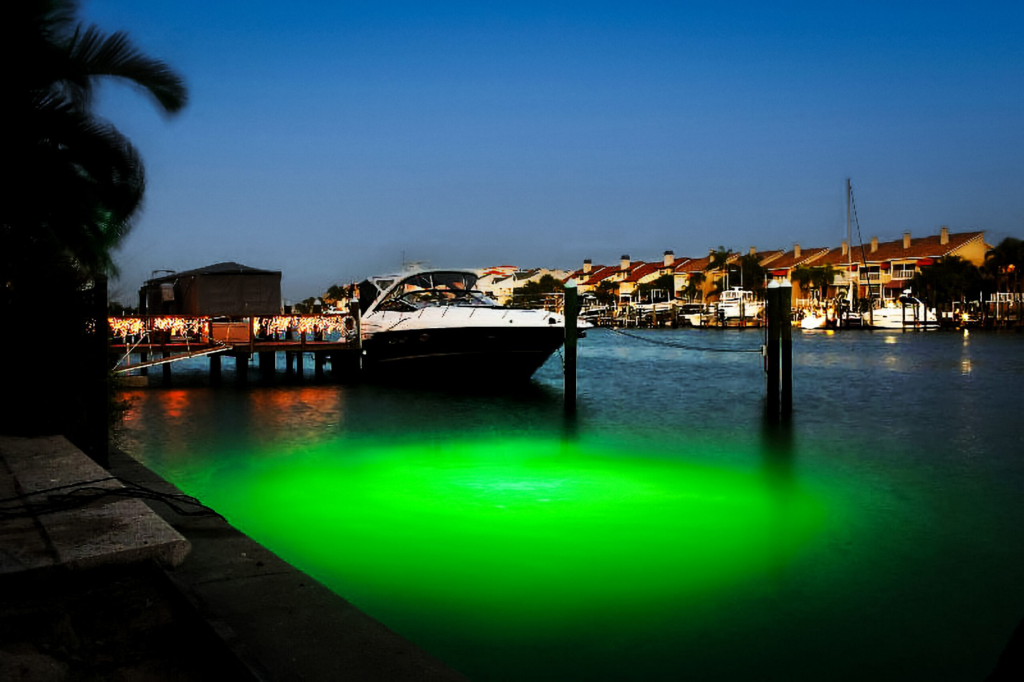
Choosing the right underwater lighting system can feel overwhelming, especially with the growing number of products available on the market. Not all lighting systems are built to the same standards, and factors such as brightness, durability, color options, installation requirements, and intended use can significantly impact performance.
Understanding Different Types of Underwater LED Lights
Not all underwater LED lights are designed for the same application. Understanding the major categories can help you make a more informed buying decision.
Fixed-Color Lights
Fixed-color systems emit a single color, typically green, blue, or white. These lights are popular because they are simple, reliable, and often more affordable than advanced color-changing systems.
Green remains one of the most popular choices because underwater green lights are widely used for fish attraction and tend to penetrate water effectively. White lights are commonly selected for aesthetics and visibility, while blue lights create a distinctive waterfront appearance.
Permanent Installation Systems
Permanent systems are mounted directly to dock structures, pilings, seawalls, or marina infrastructure. These installations provide consistent illumination and are typically designed for long-term use.
Many premium marine underwater lights fall into this category because they are engineered for durability and continuous operation in harsh environments.
Key Features to Look For Before Buying
The quality of an underwater lighting system is often determined by several key performance factors. While pricing is always important, focusing solely on cost can lead to disappointing results and higher replacement expenses over time.
Brightness and Light Output
Brightness is one of the most important factors to evaluate.
Higher-quality underwater dock lights are capable of illuminating larger areas of water while maintaining consistent performance. The ideal brightness level depends on your dock size, water clarity, and intended application.
Energy Efficiency
One of the biggest advantages of modern underwater led lights is their energy efficiency.
Compared to older lighting technologies, LED systems consume less power while delivering greater brightness. This allows property owners to operate lights for extended periods without significantly increasing energy costs.
Color Options
The color you choose can affect both appearance and functionality.
Many waterfront property owners prefer underwater green lights because of their fish-attracting capabilities. Others select white lights for maximum visibility or blue lights for a distinctive aesthetic effect.
Your choice should align with your primary objectives and the overall look you want to achieve.
Choosing Lights Based on Your Goals
One of the most common mistakes buyers make is selecting a lighting system without clearly defining their intended outcome.
Different applications often require different lighting strategies.
For Waterfront Aesthetics
If your primary goal is enhancing the visual appeal of your property, focus on systems that provide broad, even illumination and complement your dock’s architecture.
Color-changing fixtures can provide additional flexibility for entertaining, seasonal displays, and special events.
In these situations, placement and layout often have just as much impact as the fixtures themselves.
For Fishing Applications
Anglers often prioritize underwater fishing lights because of their ability to attract baitfish and larger predator species. For fishing-focused installations, factors such as light color, depth placement, water clarity, and operating duration become particularly important.
For Safety and Navigation
Property owners focused on safety typically prioritize visibility and coverage.
Brighter fixtures positioned around key access points can improve awareness of dock edges, pilings, and surrounding water conditions. In these cases, reliability and consistent illumination are often more important than advanced color features.
Buying Underwater Dock Lights Online
Purchasing lighting systems online offers convenience and access to a wider range of products, but it also requires careful evaluation.
Avoid selecting products based solely on price. The lowest-cost option may initially appear attractive, but lower-quality fixtures often require more maintenance and replacement over time.
It’s also important to verify that the product is specifically designed for marine applications. True marine underwater lights are engineered to withstand long-term exposure to aquatic environments and typically offer greater reliability than generic lighting products.
Planning Your Dock Lighting Layout for Maximum Impact
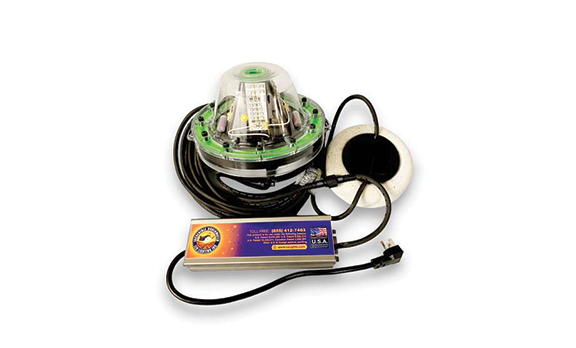
Evaluating Your Waterfront Environment
Every waterfront property is different. Factors such as water depth, shoreline configuration, dock size, and water clarity can all affect how light performs beneath the surface.
Water Depth
Depth plays a major role in determining fixture placement and overall light distribution.
In shallow water, light tends to spread more evenly across the bottom and surrounding area. In deeper water, illumination may become more concentrated around the fixture itself, requiring additional lights to achieve the same level of coverage.
Property owners should also consider seasonal fluctuations in water levels. Areas that appear ideal during one season may experience significant depth changes throughout the year.
Water Clarity
Clear water allows light to travel farther and create larger illuminated zones.
In murkier conditions, suspended particles can reduce visibility and limit the effective range of your Underwater LED Lights. In these situations, additional fixtures or strategic placement may be necessary to achieve the desired effect.
Dock Configuration
The shape and structure of your dock influence where lights should be installed.
Straight docks, T-docks, L-shaped docks, finger piers, and marina systems all present different opportunities and challenges. Larger structures often benefit from a combination of perimeter lighting and focal-point illumination to create balanced coverage.
Intended Use
The way you use your dock should guide the entire planning process. Before finalizing your design, it’s worth reviewing the critical factors to evaluate what to know before adding underwater dock lights to ensure your setup aligns with regional conditions.
Determining Light Placement and Spacing
One of the most common questions property owners ask is: “How many lights do I need?”
The answer depends on your goals, dock size, and environmental conditions. However, proper spacing is just as important as fixture quantity.
Installing too few lights can leave large sections of water in darkness. Installing too many can create excessive brightness, uneven illumination, and unnecessary expense.
Creating Consistent Coverage
A successful lighting design aims to create smooth transitions between illuminated areas.
Rather than concentrating all fixtures in one location, lights should be distributed strategically throughout the dock structure. This approach produces a more natural appearance and minimizes harsh contrast between bright and dark zones.
Accounting for Dock Size
Larger docks naturally require a more comprehensive placement strategy. A small residential dock may only require several carefully positioned underwater dock lights, while larger installations often benefit from multiple lighting zones working together to create a cohesive effect.
For a more detailed breakdown of placement calculations, spacing recommendations, and coverage considerations, utilizing the best placement strategies for underwater LED lights to guarantee even coverage across the entire length of your walkway.
Designing for Aesthetics, Safety, and Fishing
Designing for Aesthetic Impact
When aesthetics are the priority, the objective is to create visual balance and highlight the natural beauty of the waterfront environment. Many homeowners use marine underwater lights to create dramatic nighttime reflections, accent architectural features, and establish a welcoming atmosphere for entertaining guests.
Designing for Safety and Visibility
Safety-focused layouts prioritize visibility around key access points and areas of activity. Lighting should clearly define dock edges, swimming zones, boat slips, and other areas where visibility is critical after dark.
In these applications, consistency is often more important than decorative effects. The goal is to eliminate blind spots and improve awareness of surrounding conditions.
Designing for Fishing Success
When the primary objective is attracting fish, placement strategy becomes even more important.
Many anglers position underwater fishing lights near deeper water, channel edges, drop-offs, or areas where fish naturally congregate.
Property owners interested in maximizing visual impact and fish attraction simultaneously may benefit from learning how to plan the perfect underwater dock lighting layout for maximum impact to combine visual appeal with peak performance.
Common Layout Mistakes to Avoid
Installing Lights Without a Plan
One of the biggest mistakes is purchasing fixtures before developing a layout strategy.
Without a plan, it’s easy to end up with inconsistent coverage, poor spacing, and underwhelming results.
A simple sketch of your dock and surrounding waterfront area can help identify ideal installation locations before work begins.
Ignoring Water Conditions
Water clarity, depth, tidal movement, and seasonal changes all influence how light behaves underwater.
Failing to account for these factors can lead to unrealistic expectations and poor fixture placement decisions.
Over-Concentrating Fixtures
Many property owners assume that grouping lights together will create a stronger effect.
In reality, excessive concentration often produces overly bright hotspots while leaving other areas under-illuminated.
A distributed layout generally delivers more balanced and attractive results.
Designing Without Future Expansion in Mind
Perhaps you’ll add a boat lift, expand your dock, or install additional waterfront amenities in the future. Planning for future growth can save time and money later by making it easier to expand your lighting system when needed.
If you’re looking for a more advanced design framework, our guide on from dock to depth: designing the perfect underwater lighting layout provides a deeper dive into layout planning, coverage mapping, and long-term design considerations.
Selecting the Best Underwater Lighting System for Your Property
Residential Dock Applications
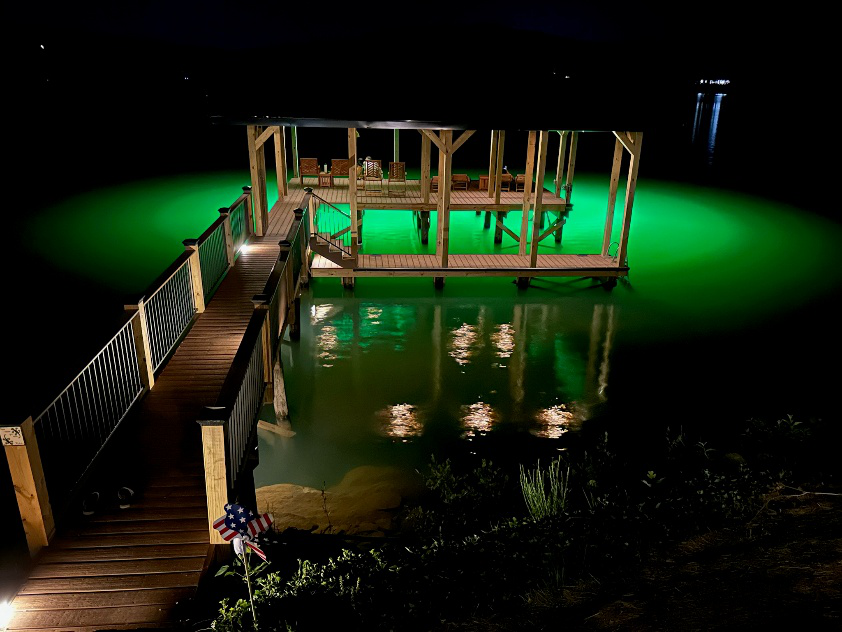
For most homeowners, underwater lighting serves multiple purposes. A well-designed system can improve waterfront aesthetics, enhance nighttime visibility, and create an inviting atmosphere for family gatherings, boating, and fishing.
Residential installations typically focus on achieving a balance between performance and simplicity.
Supporting Recreational Fishing
For homeowners who enjoy fishing from their dock, incorporating underwater fishing lights can provide an additional layer of functionality.
Over time, properly placed lights may attract plankton, baitfish, and larger predator species, creating a productive fishing area directly adjacent to the dock.
Many anglers favor underwater green lights because they offer excellent visibility and are widely recognized for their fish-attracting capabilities.
Managing Energy Consumption
Because residential systems are often operated for extended periods during evenings and weekends, energy efficiency remains an important consideration.
Modern underwater LED lights provide significant advantages in this area. Their low power consumption allows homeowners to enjoy extended operation without dramatically increasing utility costs.
This efficiency also makes it practical to install multiple fixtures when broader coverage is desired.
Marina and Commercial Applications
Commercial properties often have different priorities than residential installations.
Marinas, resorts, waterfront restaurants, yacht clubs, and rental properties frequently view underwater lighting as both a functional and aesthetic investment.
In these environments, lighting can enhance customer experiences, improve safety, and contribute to a property’s overall visual identity.
Enhancing Guest Experience
For hospitality-focused properties, waterfront ambiance plays a major role in customer satisfaction. Professionally installed marine underwater lights can create a memorable nighttime environment that differentiates a property from competitors.
Guests often associate well-lit waterfront areas with quality, safety, and attention to detail, making underwater lighting a valuable enhancement for many commercial operations.
Improving Visibility Around Boat Slips
Marinas and docking facilities frequently use underwater lighting to improve visibility around slips, pilings, and access points. Combined with traditional above-water lighting, underwater systems can make navigation easier for boaters arriving after dark.
Creating a Premium Waterfront Appearance
Commercial properties often invest heavily in visual presentation. Strategically placed underwater dock lights can contribute to a polished, high-end appearance that enhances branding and creates a more inviting atmosphere for visitors.
In many cases, underwater lighting becomes one of the most noticeable features of the property after sunset.
Freshwater vs Saltwater Considerations
One of the most important factors when selecting a lighting system is the type of water in which it will operate.
Freshwater and saltwater environments place different demands on lighting equipment, and understanding these differences can help ensure long-term reliability.
Freshwater Installations
Freshwater environments are generally less corrosive than saltwater settings, making them somewhat less demanding on lighting hardware. However, freshwater installations still require durable construction and proper waterproofing.
Even in freshwater conditions, inferior products may experience premature wear or performance issues over time.
Saltwater Installations
Saltwater presents one of the harshest operating environments for any marine equipment.
Constant exposure to salt accelerates corrosion and places significant stress on electrical and mechanical components.
For this reason, buyers should select marine underwater lights specifically designed for saltwater use.
While premium systems may require a larger upfront investment, they often provide significantly lower maintenance costs and longer service life in saltwater environments.
Understanding Environmental Challenges
Beyond water type, other environmental conditions can affect performance.
The best lighting system is one that can consistently perform despite these environmental challenges.
Matching the System to Your Long-Term Goals
Many buyers focus only on their immediate needs, but underwater lighting should be viewed as a long-term investment.
Before finalizing your purchase, consider where your waterfront property may be several years from now.
Future Expansion Possibilities
You may eventually decide to:
- Expand your dock
- Add a boat lift
- Create a swimming area
- Install additional lighting zones
- Upgrade your waterfront entertainment space
Selecting a system that can accommodate future expansion can save considerable time and expense later.
Maintenance Expectations
Different lighting systems require varying levels of maintenance.
High-quality Underwater LED Lights are designed to minimize upkeep while providing years of reliable operation. Investing in durable components from the beginning often reduces maintenance demands throughout the life of the system.
Installing Underwater LED Dock Lights
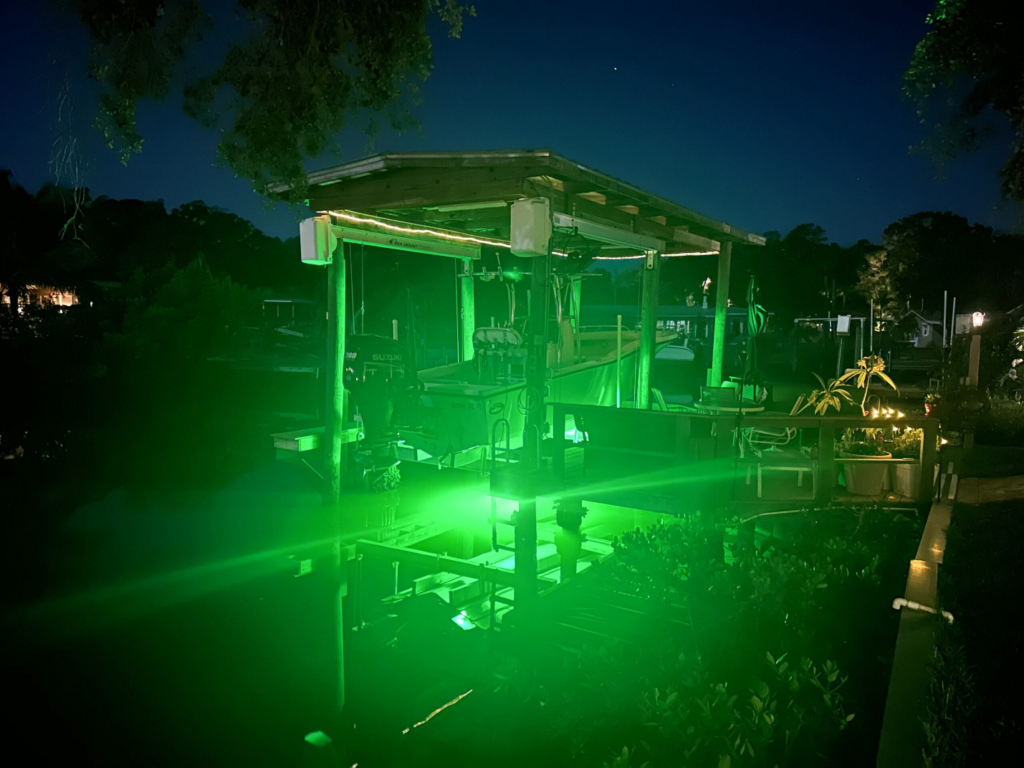
A successful installation begins long before the first fixture is mounted beneath your dock. Proper preparation, careful planning, and attention to safety can significantly impact both the performance and lifespan of your lighting system.
Whether you’re considering a DIY project or hiring a professional installer, understanding the installation process will help ensure your underwater dock lights deliver the results you expect.
What You’ll Need Before Installation
Before beginning installation, take time to gather the necessary tools, equipment, and information. Proper preparation can help prevent delays and reduce the likelihood of mistakes during the installation process.
Review the Manufacturer’s Instructions
Every lighting system is different.
Before starting any work, carefully review the installation documentation provided by the manufacturer. This will help you understand:
- Mounting requirements
- Power specifications
- Cable routing recommendations
- Safety precautions
- Maintenance guidelines
Even experienced installers should familiarize themselves with the specific requirements of the product being installed.
Verify Power Availability
Most marine underwater lights require access to a suitable power source.
Before installation, determine:
- Where power will originate
- Whether additional wiring is needed
- If a transformer is required
- How cables will be routed safely to the dock
Addressing these considerations early can help avoid costly modifications later in the project.
Gather Installation Tools
The exact tools required will vary depending on the lighting system and dock construction, but common installation equipment may include:
- Drill and drill bits
- Screwdrivers
- Measuring tape
- Cable ties
- Mounting hardware
- Electrical connectors
- Waterproof sealants
- Safety equipment
Having everything ready before you begin can make the installation process far more efficient.
Confirm Your Layout Plan
This is where the planning work completed earlier becomes valuable.
Before mounting any fixtures, verify your intended placement locations and spacing measurements. Double-check that your selected positions align with your coverage goals and provide the desired visual effect.
For a comprehensive walkthrough of installation preparation and planning, see our guide on everything you need to know about installing LED underwater dock lights.
Step-by-Step Installation Overview
Although installation procedures vary by manufacturer, most underwater dock lights follow a similar process.
Understanding the general workflow can help property owners approach their project with greater confidence.
Step 1: Mark Fixture Locations
Begin by identifying and marking each fixture location according to your lighting plan.
Take time to verify:
- Spacing between fixtures
- Water depth at each location
- Cable routing paths
- Potential obstructions
Small adjustments made during this stage can often improve coverage and simplify installation.
Step 2: Install Mounting Hardware
Once locations have been finalized, install the mounting brackets or hardware supplied with the lighting system.
Proper mounting is critical because underwater fixtures must remain stable despite exposure to currents, wave action, and changing water conditions.
Always follow manufacturer recommendations regarding mounting depth and orientation.
Step 3: Mount the Fixtures
After the mounting hardware is secured, attach the fixtures according to the installation instructions.
At this stage, ensure that each fixture is:
- Properly aligned
- Securely fastened
- Positioned at the intended depth
- Free from potential obstructions
Correct positioning helps maximize the performance of your underwater LED lights and ensures consistent illumination.
Step 4: Route and Secure Cables
Cable management is often overlooked, yet it plays a major role in the long-term reliability of the system.
Cables should be routed carefully and secured to prevent:
- Abrasion
- Excess movement
- Snagging hazards
- Exposure to damage from boats or equipment
Proper cable routing also contributes to a cleaner, more professional-looking installation.
Step 5: Connect Power and Test the System
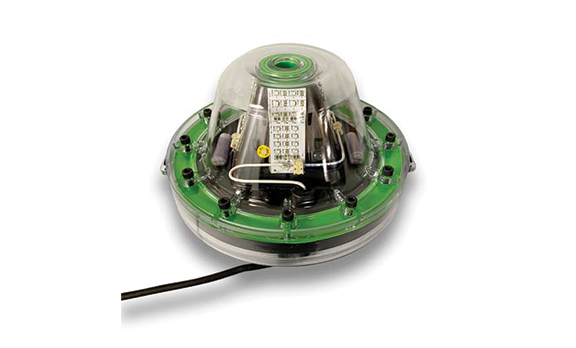
Once the fixtures and cables are in place, complete the electrical connections according to the manufacturer’s specifications.
A thorough test allows any adjustments to be made before the project is considered complete.
If you’d like a more detailed walkthrough, our guide on how to install Incredible Underwater Dock Lights in 5 easy steps breaks the process down into a simple, beginner-friendly framework.
DIY vs Professional Installation
One of the most common questions buyers ask is whether they should install their lighting system themselves or hire a professional.
The answer depends on several factors, including your experience level, project complexity, and comfort working with electrical systems.
When DIY Installation Makes Sense
Many residential installations are well within the capabilities of homeowners who possess basic tools and a willingness to follow instructions carefully. Successfully completing a DIY installation can reduce project costs and provide a greater understanding of how the system operates.
For homeowners interested in tackling the project themselves, our DIY installation guide for underwater dock lights provides additional tips, best practices, and troubleshooting advice.
When to Hire a Professional
In some situations, professional installation may be the better choice.
This is especially true when:
- Extensive electrical work is required
- The dock is large or complex
- Water conditions are challenging
- Local codes require licensed electrical work
- The project involves commercial facilities
Professional installers can often complete projects more quickly while ensuring compliance with local regulations and safety standards.
Hybrid Approaches
Some property owners choose a middle-ground approach. For example, they may handle the physical installation of the fixtures themselves while hiring a licensed electrician to complete the electrical connections. This approach can help balance cost savings with safety and code compliance.
Safety Considerations During Installation
Safety should always be the top priority during any waterfront installation project. Working around water and electricity requires careful planning and strict adherence to safety guidelines.
Follow Electrical Safety Best Practices
Electricity and water can be a dangerous combination when systems are improperly installed. If you’re uncertain about any aspect of the electrical installation, consult a qualified professional.
Pay Attention to Water Conditions
Installation conditions can change rapidly.
Avoid working during:
- Storms
- High winds
- Strong currents
- Heavy boat traffic
- Poor visibility conditions
Stable conditions improve both safety and installation quality.
Use Appropriate Safety Equipment
Basic safety equipment may include:
- Non-slip footwear
- Protective gloves
- Eye protection
- Personal flotation devices when appropriate
These precautions can help reduce the risk of accidents while working on or around the dock.
Plan for Future Maintenance Access
A common mistake is installing fixtures in locations that are difficult to access later.
If you’re interested in creative customization ideas, our guide on DIY underwater LED light projects for your dock explores additional ways homeowners can enhance their waterfront lighting systems while maintaining functionality and safety.
Ready to Transform Your Waterfront with Professional Underwater Dock Lighting?
Choosing the right underwater lighting system is only part of the equation. To achieve the best results, you need reliable products, expert guidance, and a solution that’s designed specifically for your dock, waterfront property, or marina.
At Incredible Underwater Lights, we specialize in high-performance Underwater LED Lights, underwater dock lights, underwater fishing lights, and marine underwater lights designed to deliver exceptional visibility, durability, and long-term value. Whether you’re looking to create a stunning nighttime waterfront display, improve dock safety, or attract more fish around your property, our team can help you find the right lighting solution for your needs.
Explore our collection of underwater dock lighting solutions today or contact the team at Incredible Underwater Lights for personalized recommendations.
Frequently Asked Questions
What are the benefits of installing underwater dock lights?
Underwater dock lights enhance the appearance of your waterfront, improve nighttime visibility, increase safety around your dock, and can attract fish for recreational fishing. They also create a welcoming atmosphere for entertaining and enjoying your waterfront property after dark.
What color underwater LED light is best for attracting fish?
Many anglers prefer underwater green lights because green light penetrates water effectively and attracts plankton, baitfish, and larger predator fish. However, the best color may vary depending on water clarity, local fish species, and your specific fishing goals.
How many underwater dock lights do I need?
The number of underwater LED lights you'll need depends on factors such as your dock's size, water depth, fixture brightness, and the level of coverage you want. Smaller residential docks may only require a few fixtures, while larger waterfront properties or marinas often benefit from multiple strategically placed lights.
Can I install underwater dock lights myself?
Yes, many underwater dock lights are designed for DIY installation. If you have basic electrical knowledge and follow the manufacturer's instructions, you can often complete the installation yourself. However, for complex electrical work or large commercial projects, hiring a licensed professional is recommended.
How long do underwater LED lights typically last?
High-quality marine underwater lights can last up to 50,000 hours or more, depending on the product, operating conditions, and maintenance. Regular cleaning and inspections can help maximize their lifespan and maintain optimal performance.
Are underwater LED lights suitable for both freshwater and saltwater?
Yes. Many premium underwater LED lights are specifically engineered for both freshwater and saltwater environments. When installing lights in saltwater, it's important to choose fixtures made with corrosion-resistant, marine-grade materials to ensure long-term durability.
