
Shopping Cart
How to Plan the Perfect Underwater Dock Lighting Layout for Maximum Impact
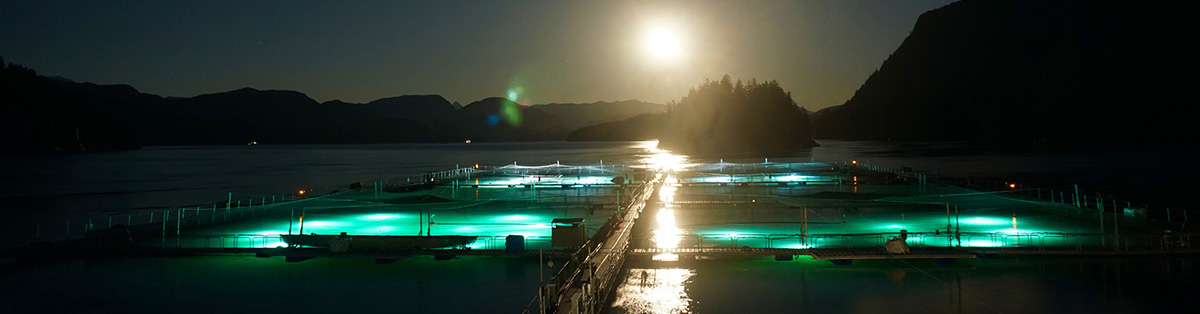
Underwater LED lights have become a popular addition for dock owners looking to improve both visibility and the overall feel of their waterfront space. But simply adding lights isn’t enough to get the best result. The way those lights are arranged plays a major role in how effective they are.
This is where thoughtful dock lighting layouts come in. A well-planned layout helps create smooth, even illumination across the water instead of scattered bright spots and dark gaps. It also makes your dock easier to see from a distance and creates a more consistent look along the shoreline.
Without a plan, it’s easy to place lights too close together or too far apart, which can limit how much usable light you actually get. Taking the time to map out spacing and positioning before installation helps you get the most out of each light.
In this guide, we’ll break down how to design an effective underwater dock lighting layout. You’ll learn how to space your lights, where to position them along your dock, and what to consider when it comes to placement and cleaning. The goal is simple: help you create a layout that delivers strong, even coverage from the start.
Why Dock Lighting Layout Matters
A lot of dock owners start with the right idea, installing underwater dock lights to improve visibility and enhance their waterfront, but the results often fall short because of one simple issue: layout. Where and how you place your lights has a direct impact on how well they perform.
A planned dock lighting layout solves this by focusing on consistency. Instead of thinking about individual lights, you start thinking in terms of coverage. Each light creates a defined illuminated area, and when those areas are spaced correctly, they work together to form one continuous field of light. This eliminates gaps and prevents over-concentration in certain spots.
Another key factor is visibility from a distance. When lights are evenly distributed, your dock stands out more clearly across the water. The light appears balanced and intentional, rather than scattered. This makes a noticeable difference, especially for waterfront properties where the dock is a central feature.
It also helps to think in terms of “coverage zones.” Each underwater light produces its own circular zone of illumination. A good layout ensures these zones slightly overlap, creating a seamless transition from one area to the next. Without this overlap, you end up with dark spaces between lights, which breaks up the overall effect.
In short, dock lighting layouts aren’t just about placement—they’re about planning how light spreads and interacts across your entire dock. Taking the time to design your layout properly ensures you get full, even coverage and a cleaner, more consistent result from the moment your lights are turned on.
Understanding Light Coverage and Spread

To plan effective dock lighting layouts, you need to understand one key concept: how each light actually spreads underwater. Once you understand this, spacing and positioning become much easier to get right.
How Underwater Dock Lights Illuminate Water
Underwater dock lights don’t shine in a straight line. Instead, they create a circular spread of light that expands outward from the source. Think of it like dropping a pebble into water and watching the ripples move outward in all directions.
Each light produces a defined coverage area beneath and around your dock. With a strong output, that illuminated area can reach up to 60 feet in diameter, creating a wide field of visible water.
This is why placement matters so much. You’re not just placing lights—you’re placing circles of light that need to work together.
Why Coverage Overlap Is Important
If you space lights too far apart, those circular coverage areas won’t touch. The result is noticeable dark gaps between each light. These gaps break up the overall look and reduce how much of the water is actually visible.
On the other hand, when lights are positioned correctly, their coverage areas slightly overlap. This overlap creates a smooth transition from one illuminated zone to the next, giving your dock a more continuous and balanced appearance.
A good rule to keep in mind: You don’t want full overlap, but you do want just enough intersection between light zones to eliminate gaps.
Avoiding Common Coverage Mistakes
Understanding spread helps you avoid a few very common issues:
- Over-spacing lights: Leaves large sections of water unlit and reduces effectiveness
- Clustering lights too closely: Concentrates brightness in one area while wasting potential coverage elsewhere
- Ignoring the circular pattern: Leads to layouts that look uneven or inconsistent
These mistakes usually happen when people think in straight lines instead of coverage zones.
Think in Circles, Not Lines
One of the simplest ways to improve your dock lighting layout is to shift your mindset. Instead of lining lights up evenly without context, think about how each light’s circular coverage fits into the overall layout.
When planning:
- Visualize each light as a circle on the water
- Place those circles so they connect smoothly
- Adjust spacing until the entire dock area is evenly covered
This approach makes your layout more intentional and far more effective.
Applying Coverage to Different Dock Sizes
Coverage and spread will look different depending on the size of your dock.
- Smaller docks: Fewer lights are needed, but spacing still matters to avoid uneven brightness
- Medium-sized docks: Require careful positioning so coverage zones connect without gaps
- Larger docks: Depend heavily on consistent spacing to maintain full illumination across a wider area
No matter the size, the goal stays the same: create a layout where each light contributes to one continuous, evenly lit space.
Ideal Spacing for Dock Lighting Layouts

Once you understand how light spreads underwater, the next step is spacing. This is where most dock lighting layouts either come together or fall apart. Even with high-quality underwater dock lights, poor spacing can leave you with uneven coverage and missed areas.
Start with Coverage, Not Guesswork
Each light creates a coverage area that can reach up to 60 feet in diameter. That number should guide your spacing decisions.
Instead of placing lights based on how the dock looks from above, base your layout on how the light spreads below the surface. The goal is to position each light so its coverage area connects with the next one without leaving gaps.
General Spacing Guidelines
While every dock is different, a reliable approach is to space lights so their coverage areas slightly overlap.
In practical terms:
- Avoid placing lights at the full edge of their maximum range
- Bring them closer so the edges of each light’s coverage meet and blend
This creates a consistent field of illumination rather than isolated bright spots.
Best Positioning for Underwater Dock Lights
While spacing determines how well your lights connect, positioning determines where that light actually works for you. In well-planned dock lighting layouts, positioning is what ensures your underwater dock lights deliver consistent coverage across the most important areas.
Position Lights Along the Dock Edges
The most effective placement for underwater dock lights is along the outer edges of your dock. This allows the light to project outward into the water instead of being blocked or limited by the structure itself.
When lights are positioned along the edges:
- You maximize the visible water area
- The light spreads freely without obstruction
- Coverage extends further away from the dock
Placing lights too far underneath the dock can limit how far the light reaches, which reduces overall effectiveness.
Use Corners to Your Advantage
Corners are one of the most important placement points in any dock lighting layout.
Positioning lights near the corners helps:
- Extend coverage in multiple directions
- Reduce dark zones at the ends of the dock
- Create a more complete, wraparound lighting effect
For many layouts, corner placement acts as the foundation, with additional lights filling in the gaps along the sides.
Balance Both Sides of the Dock
A common mistake in dock lighting layouts is placing all lights on one side. While it may seem easier during installation, it creates uneven illumination across the water.
Instead, aim for:
- Even distribution on both sides of the dock
- Matching or mirrored placement when possible
- Consistent spacing from one side to the other
Balanced positioning ensures that your underwater dock lights create a uniform field of light instead of a one-sided effect.
Align Positioning with Light Coverage
Positioning should always work together with spacing and coverage.
As you place each light:
- Consider how its circular spread will extend outward
- Ensure it connects with nearby lights
- Avoid placing lights where their coverage overlaps too heavily in one area
This approach helps your marine underwater lights function as a complete system rather than individual light sources.
Positioning for Maximum Impact
When done correctly, positioning allows your underwater green lights to:
- Deliver consistent illumination across the dock area
- Improve visibility in all directions
- Create a clean, uniform look from a distance
Combined with proper spacing, the right positioning strategy turns a basic setup into a fully optimized dock lighting layout.
Planning Dock Lighting Layouts for Inlet Waterways

Not all waterfront properties behave the same, and that has a direct impact on how you should approach your dock lighting layouts. While the core principles of spacing and positioning stay the same, the way your lights perform can vary depending on whether your dock sits on an inlet waterways.
Understanding these differences helps you plan a layout that delivers consistent results in either setting.
Dock Lighting Layouts for Inlet Waterways
Inlet waterways are the most common environment for underwater dock lights, and they come with one key factor: moving water.
Because water is constantly shifting, your lighting layout needs to focus on consistency and coverage.
When planning for inlet waterways:
- Even spacing becomes more important to maintain a steady illuminated area
- Balanced positioning on both sides of the dock helps keep light distribution uniform
- Overlapping coverage zones prevent gaps from becoming more noticeable
Movement in the water can make uneven layouts stand out more. If lights are spaced too far apart or clustered in one area, those inconsistencies become easier to see.
A well-planned layout using underwater green lights helps maintain a smooth, continuous field of light, even as conditions change.
Maintaining Visibility Along the Dock
In inlet environments, your dock is often viewed from multiple angles. This makes it important for your marine underwater lights to provide consistent visibility along the entire structure.
To achieve this:
- Distribute lights evenly from one end of the dock to the other
- Use corner placement to extend coverage at the edges
- Avoid leaving sections of the dock without direct light coverage
This ensures your underwater fish lights create a clear and uniform appearance, rather than isolated bright spots.
Common Dock Lighting Layout Mistakes to Avoid

Even with the right equipment, poor planning can lead to underwhelming results. Many issues with dock lighting layouts come down to a few common mistakes that are easy to overlook during installation. Knowing what to avoid can save time and help you get consistent, even coverage from the start.
Spacing Lights Too Far Apart
One of the most common mistakes is placing underwater dock lights too far from each other. It might seem like you’re covering more area, but in reality, this creates noticeable dark gaps between each light.
When spacing is too wide:
- Coverage zones don’t connect
- Sections of water remain unlit
- The overall layout looks broken and inconsistent
Proper spacing ensures that each light contributes to a continuous field of illumination.
Clustering Lights in One Area
The opposite problem is placing lights too close together. This often happens when multiple lights are installed near the same section of the dock.
Clustering leads to:
- Overly bright spots in one area
- Wasted coverage potential
- Uneven distribution across the dock
Instead, your dock lighting layouts should spread lights evenly across the entire structure.
Uneven Placement Along the Dock
Inconsistent positioning is another issue that affects how your layout looks and performs.
This includes:
- Lights placed at random distances
- One side of the dock having more lights than the other
- Lack of symmetry in placement
Uneven layouts make your underwater green lights appear scattered rather than intentional, especially when viewed from a distance.
Ignoring Light Coverage
Some dock owners focus only on where the light is placed, not how far it spreads. This leads to layouts that don’t take full advantage of each light’s coverage.
When coverage is ignored:
- Lights may overlap too much in one area
- Other sections may not receive enough light
- The layout lacks balance
Effective marine underwater lights should always be positioned with their coverage area in mind.
Not Planning Before Installation
Skipping the planning step is one of the biggest mistakes in dock lighting layouts.
Without a plan:
- Spacing becomes inconsistent
- Positioning is based on guesswork
- Adjustments take more time later
Taking a few minutes to map out your layout beforehand leads to a much smoother installation and better results.
Placing Lights in Hard-to-Reach Areas
Accessibility is often overlooked, but it plays an important role in long-term use.
If underwater fishing lights are placed in difficult locations:
- Cleaning becomes inconvenient
- Maintenance may be delayed
- Light output can be affected over time
Positioning lights where they can be easily reached from the dock helps keep them performing consistently.
Relying on Visual Guessing Alone
Trying to “eyeball” your layout during installation often leads to uneven spacing and positioning.
Instead:
- Measure or estimate spacing ahead of time
- Use consistent reference points along the dock
- Follow a structured layout plan
This ensures your underwater fish lights work together as intended.
Ready to Upgrade Your Dock Lighting Layout?
A well-planned dock lighting layout can completely change how your waterfront looks and functions at night. When your underwater dock lights are spaced correctly, positioned with intention, and installed with a clear plan, you get a consistent, balanced field of light that makes your dock easier to use and more visually appealing.
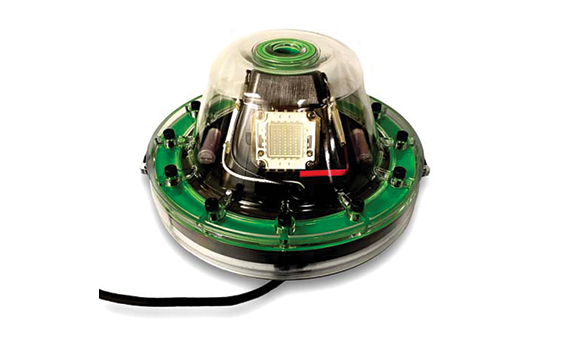
With Incredible Underwater LED Lighting, you’re working with lights designed to deliver strong, even illumination across your dock when used in a properly planned layout. These lights are built to support a wide coverage area, making them a strong fit for carefully designed dock lighting layouts.
Key features that support your layout:
- Up to 60 feet of lighted water diameter for broad coverage
- 80 watts of power consumption for efficient operation
- Extendable cord up to 120 feet for flexible placement
- Simple installation that allows quick setup and easy adjustments
- 1-year limited warranty for added confidence
If you’re ready to build a better dock lighting layout and improve how your waterfront looks at night, explore Incredible Underwater LED Lighting and find the right solution for your dock.
A well-planned layout, combined with the right underwater dock lights, can help you create a clean, consistent lighting setup that works night after night.
Frequently Asked Questions
How far apart should dock lights be placed?
The spacing of your underwater dock lights should be based on how far each light can spread its illumination. Since many lights can cover a wide area, the goal is to space them so their coverage zones meet and slightly overlap. If lights are placed too far apart, you’ll notice dark gaps between them. If they’re too close, you’ll end up with overly bright sections and wasted coverage. A well-planned dock lighting layout ensures consistent spacing so the light feels smooth and continuous across the water.
Where should underwater dock lights be positioned?
For effective dock lighting layouts, lights should be placed along the outer edges of the dock rather than directly underneath it. This allows the light to spread outward into the water instead of being blocked by the dock structure. Positioning lights near corners can also help extend coverage and reduce dark areas at the ends of the dock. Keeping placement even along both sides ensures your underwater fishing lights create a balanced and uniform look.
How many underwater lights do I need for my dock?
The number of lights you need depends on the size of your dock and the coverage of each light. Since each underwater green light can cover a wide area, smaller docks may only need a couple of lights, while larger docks will require more. The key is not just the number of lights, but how they are arranged. A proper dock lighting layout focuses on even spacing so that each light works together to create full coverage without gaps.
Do underwater dock lights require maintenance?
Yes, underwater dock lights require periodic maintenance to perform at their best. Over time, buildup in the water can affect how the light appears. Regular cleaning helps maintain consistent light output and ensures your marine underwater lights continue to provide even coverage. It’s also a good idea to place lights in positions that are easy to access from the dock, making maintenance more manageable over time.
