
Shopping Cart
Marine Underwater Lights for Beachfront Properties: Planning for Maximum Impact
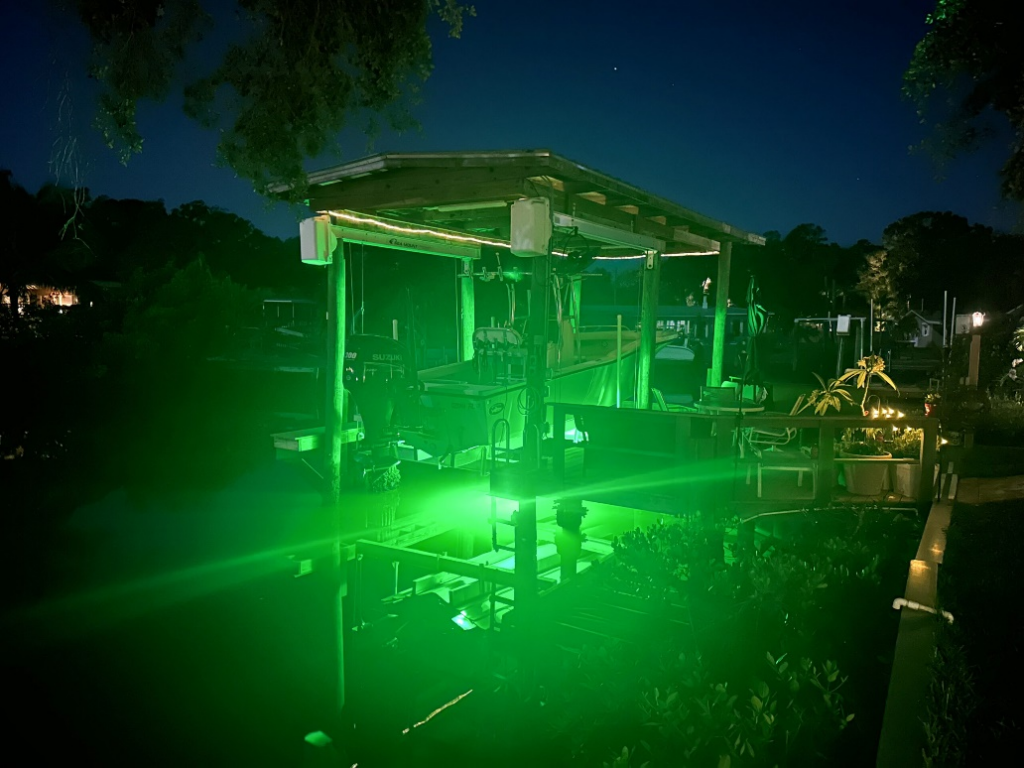
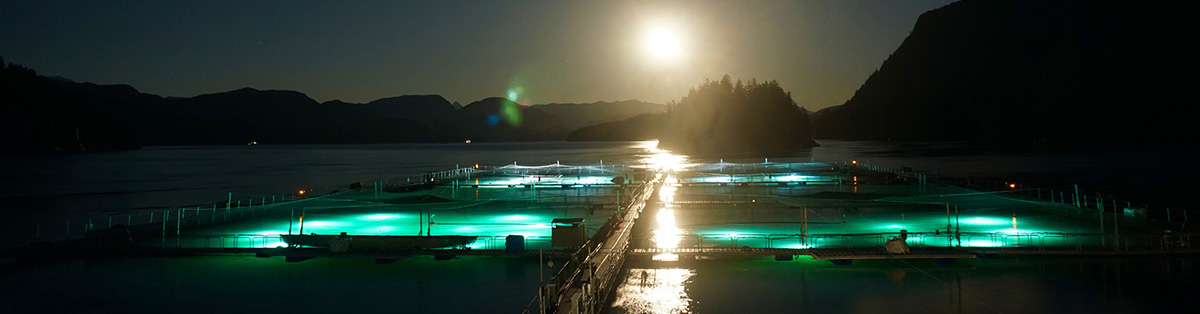
Beachfront properties have a unique charm, offering serene water views, gentle waves, and the opportunity to enjoy nature right at your doorstep. However, when night falls, much of that beauty fades into darkness. Docks, seawalls, and adjacent waters can become almost invisible, making it difficult to enjoy your waterfront or navigate safely after sunset. That’s where marine underwater lights come in. By strategically placing underwater LED lights along your dock or seawall, you can transform your beachfront property into a captivating nighttime oasis.
Installing underwater lights does more than create a visually stunning environment. For homeowners who enjoy fishing, green underwater fish lights attract aquatic life, drawing fish to the illuminated areas. This can turn your dock into a prime fishing spot, right outside your door. Even if fishing isn’t your main goal, having a well-lit waterfront enhances safety, provides guidance for boats, and makes swimming or walking along the dock safer at night.
Planning is the key to getting the maximum effect from your lights. Randomly dropping a few lights into the water won’t give the dramatic impact that a well-thought-out layout can achieve. Underwater dock lights need to be spaced carefully to create consistent illumination, avoid dark gaps, and highlight important areas like dock edges, seawalls, or the shallow areas near your beachfront. Green lights, in particular, provide the perfect balance of brightness and visibility while attracting fish in inlet waterways. Unlike colored lights used purely for decoration, green lights serve a functional purpose, enhancing both aesthetics and marine activity.
In this guide, we’ll walk beachfront homeowners through every step of planning and installing underwater LED lights for maximum impact. From evaluating your property and choosing the right lights to planning layouts, installation tips, and maintenance, this guide ensures your dock and seawall shine brightly and attract both fish and attention. By the end, you’ll understand how to turn your waterfront into a visually stunning, functional, and enjoyable nighttime space that enhances your property’s value and your overall experience.
Understanding Your Beachfront Property
Before installing marine underwater lights, it’s essential to understand the unique characteristics of your beachfront property. Proper planning begins with evaluating the layout of your dock, seawall, and the surrounding water. This step ensures that your underwater LED lights provide maximum impact while creating a visually appealing and functional environment.
1. Assessing Your Dock and Seawall Layout
Your dock is the central feature for any underwater lighting setup. Consider its orientation, length, and design when planning light placement. A long dock may require multiple lights spaced strategically to ensure continuous illumination along the edges. Seawalls, on the other hand, offer additional areas to highlight. By placing underwater dock lights near seawalls, you can create depth and dimension in your waterfront lighting, making the property appear more expansive and inviting at night.
2. Understanding Water Depth and Clarity
Water depth significantly affects how underwater lights perform. Lights positioned in deeper water may require careful alignment to ensure the illumination reaches the surface effectively. Shallow areas, on the other hand, allow the light to spread naturally but may create brighter spots if the light is too close to the surface. By considering depth, you can prevent uneven lighting and achieve a balanced, ambient glow.
Water clarity also plays a role. Clear water allows light to travel farther, maximizing the coverage of your green underwater fish lights. In slightly turbid or murky water, you may need to place lights closer together along your dock and seawall to maintain consistent brightness. Observing your water conditions before installation will help you make better decisions about light placement and spacing.
3. Considering Currents and Tidal Changes
Even mild currents or fluctuating tides can subtly affect the positioning of underwater lights. Anchoring each light securely with the included weight ensures it remains in the desired location. For beachfront properties along inlet waterways, tides can change the water level by several feet, so lights should be placed to account for both high and low tide conditions. Proper positioning ensures your dock and seawall remain evenly illuminated throughout the evening, regardless of changing water conditions.
4. Maximizing Effectiveness for Fish Attraction
For homeowners who enjoy fishing, planning where to place underwater fish lights is key. Areas where fish naturally gather, such as under docks or near the edges of a seawall, will benefit most from green lighting. Positioning lights in these strategic spots encourages fish to congregate around your dock, providing both aesthetic appeal and a practical benefit for fishing enthusiasts.
By carefully evaluating your property’s layout, depth, water clarity, and tidal patterns, you set the foundation for a successful underwater lighting setup. Understanding these factors ensures that your marine underwater lights deliver maximum impact, creating a visually stunning and functional waterfront space.
Choosing the Right Type of Underwater Lights

Selecting the right type of underwater LED lights is one of the most important steps when planning a lighting setup for your beachfront property. Not all underwater lights are created equal, and the choices you make will determine how effectively your dock and seawall are illuminated, as well as how much fish and aquatic life are attracted to your property.
1. Why Green Lights Are the Best Choice
Green is the ideal color for underwater lighting in beachfront and inlet areas. Unlike other colored lights, green penetrates water effectively, creating a natural-looking glow without overpowering the surroundings. This makes it perfect for illuminating docks, seawalls, and shallow areas along the waterfront.
Green underwater fish lights are also effective at attracting marine life. Fish and other aquatic creatures are drawn to the green wavelength, gathering near the illuminated areas. This not only enhances your fishing experience but also brings movement and life to the water, creating a more dynamic and visually appealing scene around your dock.
For example, a single green light suspended just beneath the dock edge can illuminate a circular area of up to 60 feet in diameter. This provides both functional visibility for nighttime dock activities and the added benefit of attracting fish into view. By using multiple lights spaced strategically, you can create overlapping coverage that ensures consistent brightness and maximizes the effect along both docks and seawalls.
2. LED Technology and Energy Efficiency
Modern marine underwater lights use advanced LED technology, which offers significant advantages over traditional lighting. LEDs provide bright, clear illumination while consuming minimal energy. Many high-performance lights use only 80 watts, making them both cost-effective and environmentally friendly.
LEDs are also designed for longevity. Unlike traditional bulbs that require frequent replacement, high-quality underwater LEDs can last for years, providing reliable illumination with minimal maintenance. This long lifespan makes them an excellent investment for homeowners who want a permanent, hassle-free lighting solution for their dock or seawall.
3. Coverage and Light Intensity
When choosing underwater dock lights, consider both coverage and brightness. The light’s diameter determines how much water surface it illuminates. Most premium LED lights provide a coverage area of up to 60 feet in diameter. This means fewer lights are needed to cover long docks or extensive seawalls, provided they are spaced correctly.
Brightness is another critical factor. Overly dim lights may not provide the desired visibility, while excessively bright lights can disturb the natural look of your waterfront. Green LED lights strike the perfect balance, offering strong illumination that enhances visibility and attracts fish without overwhelming the environment.
4. Application: Docks and Beachfront Seawalls
Green marine underwater lights are highly versatile and particularly effective along docks and beachfront seawalls. Placing them near dock edges improves safety and highlights the structure at night. Along seawalls, they create depth and dimension, transforming an ordinary waterfront into a visually striking landscape.
By selecting the right type of underwater LED lights—green, energy-efficient, and high-coverage—you can achieve a combination of beauty, practicality, and functionality. Proper selection ensures that your dock and seawall are illuminated effectively, attracting fish, enhancing visibility, and creating a welcoming atmosphere for evening waterfront activities.
Planning Your Light Layout

Once you’ve chosen the right underwater LED lights, the next critical step is planning their layout along your dock and beachfront seawall. A carefully designed light layout ensures that your waterfront is evenly illuminated, maximizes visibility, and highlights the natural beauty of your property while attracting fish and other aquatic life. Poor placement can lead to uneven lighting, dark spots, or wasted energy, so taking the time to plan is essential.
1. Determine the Number of Lights Needed
The first step in planning your layout is determining how many lights you’ll need. Most green underwater dock lights provide a 60-foot diameter of illumination. To calculate the number of lights, consider both the length of your dock and the extent of your seawall.
For example, if your dock extends 120 feet into an inlet, placing two to three lights evenly spaced along the edges ensures that the light coverage overlaps slightly. This overlapping effect creates a continuous glow and eliminates dark patches between lights. Similarly, if you have a 100-foot seawall, two lights spaced at roughly 50-foot intervals along its length will provide consistent illumination while highlighting the structure’s contours.
2. Spacing and Positioning for Maximum Impact
Proper spacing is key to creating a visually appealing and functional lighting setup. Here are practical guidelines:
- Dock edges: Place lights along the sides of the dock to define its perimeter. Position each light so the 60-foot illumination circles slightly overlap, ensuring uniform brightness along the dock’s length.
- Seawall placement: Lights positioned near seawalls create depth and dimension. Space them evenly to highlight the seawall’s shape and structure, and adjust placement to account for any curves or irregularities in the wall.
- Corners and junctions: At dock corners or points where the dock meets the seawall, consider adding extra lights. These areas are prone to shadows, so supplemental lighting helps maintain a consistent glow.
3. Consider Water Depth and Tides
Water depth and tidal changes can affect how light spreads. In deeper areas, lights may need to be placed slightly closer together to maintain brightness on the surface. Conversely, in shallower regions, positioning the lights slightly deeper can help avoid overly concentrated brightness.
For properties on inlet waterways, it’s also important to account for tides. Lights should be positioned to remain effective at both high and low tide, ensuring that your dock and seawall are illuminated consistently throughout the evening.
4. Strategic Placement for Fish Attraction
If part of your goal is to attract fish, placement should focus on areas where aquatic life naturally gathers. Underneath docks, near pilings, or close to the seawall edge are prime locations. Green underwater fish lights draw fish into illuminated zones, making them ideal for fishing or simply enjoying the movement of marine life at night.
5. Practical Tips for Planning
- Visualize coverage: Use a diagram or sketch to mark where each light will go. Indicate the 60-foot diameter of each light to ensure proper overlap.
- Test before final placement: Temporarily position the lights in the water before anchoring them permanently. This allows you to adjust spacing and angles for optimal effect.
- Avoid unnecessary lights: More is not always better. Proper spacing and placement will maximize brightness without wasting energy or creating glare.
Installation Tips for Maximum Impact
Once your beachfront property has been evaluated and your light layout planned, it’s time for installation. The beauty of modern underwater LED lights is that they are designed for simple, hassle-free setup, allowing homeowners to enjoy their waterfront with minimal effort. Proper installation not only ensures maximum illumination but also helps attract fish and highlights your dock and seawall effectively.
1. Prepare Your Lights and Equipment
Before placing any lights in the water, gather all necessary components:
- The green underwater LED lights
- Cable straps or holders included with your light kit
- Anchor weights to secure lights in place
- A fast-acting GFCI dock outlet
Unpacking your lights carefully ensures that all parts are accounted for and ready for installation. Check that the cable is untangled and the anchor weight is securely attached. This preparation step prevents delays once you start placing the lights in the water.
2. Step-by-Step Installation Process
Installing your underwater dock lights is straightforward and can typically be completed in just a few minutes per light. Follow these steps for optimal results:
- Attach the anchor weight: Connect the included weight to your light. This ensures the light remains submerged and in position even if there is mild water movement.
- Position the light: Lower the light into the water near your dock or seawall at the planned location. Make sure it sits level and is fully submerged to achieve optimal coverage.
- Secure the cable: Use the cable straps to fasten the cord along the dock or pilings. Proper cable management prevents tangling, tripping hazards, and accidental displacement of the light.
- Plug in the light: Connect to a fast-acting GFCI dock outlet. Your light should illuminate immediately, casting a 60-foot diameter glow across the surrounding water.
With this process, your light is fully operational in as little as two minutes after unpacking, providing instant illumination without the need for professional electrical work.
3. Tips for Maximum Coverage
- Test placement before final anchoring: Temporarily position each light in its intended spot and turn it on. Observe the coverage to ensure there are no dark spots along the dock or seawall. Adjust spacing or angle as needed.
- Avoid clustering lights too closely: Overlapping is necessary for consistent illumination, but placing lights too close together can create uneven brightness and reduce the overall aesthetic.
- Corners and irregular dock shapes: Extra lights may be needed at corners or curves to maintain a smooth, uniform glow.
4. Maintenance Considerations
Even the best marine underwater lights require some attention to maintain peak performance. Periodic cleaning is important to prevent buildup on the light lens, which can reduce brightness. Inspect cables and anchor weights to ensure the lights remain in their intended positions. Following these simple steps will extend the effectiveness of your lights without compromising your evening enjoyment.
Maintaining Your Underwater Lights

After investing in high-quality marine underwater lights for your beachfront property, maintaining them properly ensures they continue to provide a bright, consistent glow and attract fish effectively. While these lights are designed for long-lasting performance, regular care is necessary to preserve their efficiency and avoid premature issues.
1. Periodic Cleaning
One of the most important aspects of maintaining underwater LED lights is keeping the lens and housing free from debris, algae, or mineral buildup. Over time, natural elements in the water—such as sediment, algae, or small aquatic organisms—can attach to the surface of the light, slightly reducing brightness.
Tips for cleaning:
- Remove the light from the water carefully, keeping the cord and anchor weight intact.
- Rinse the light with fresh water to remove loose particles.
- Use a soft brush or cloth to gently scrub any buildup on the lens. Avoid harsh abrasives that could scratch the surface.
- Dry the light before placing it back in the water to ensure it remains securely in position.
By cleaning your lights periodically, you maintain their optimal brightness and extend the effectiveness of your underwater dock lights.
2. Inspecting Cables and Connections
Regular inspections of cables and electrical connections are another key component of maintenance. Even minor damage or loose connections can affect performance or make the light less reliable.
Inspection tips:
- Check the cord for signs of wear or fraying.
- Ensure that the plug remains securely connected to a fast-acting GFCI dock outlet.
- Make sure cable straps or holders are tight and that the light stays in its intended position.
Properly maintaining connections not only preserves light performance but also helps keep your dock area organized and safe.
3. Repositioning Lights When Needed
Currents, tides, or accidental movement can shift the placement of your lights over time. It’s a good practice to periodically verify that each light remains in the intended location and at the correct depth. Adjusting placement ensures uniform coverage across your dock and seawall and maximizes the fish-attracting effect of underwater fish lights.
4. Routine Checks for Optimal Performance
Beyond cleaning and inspections, performing simple routine checks can prevent small issues from becoming larger problems. Observing how each light illuminates the water and comparing coverage with your original layout helps you identify if adjustments are necessary.
5. Warranty Reminder
Your underwater LED lights come with a one-year limited warranty that covers defects in materials or workmanship. Maintaining your lights according to these basic guidelines ensures that they continue to perform well while keeping you eligible for warranty service if needed.
Illuminate Your Beachfront Property Today
Transform your dock and beachfront seawall into a stunning nighttime retreat with Incredible Underwater LED Lighting. Our green underwater LED lights are designed to deliver maximum impact, providing bright, energy-efficient illumination that highlights your waterfront, attracts fish, and enhances safety and visibility after dark.
With easy, hassle-free installation, you can have your lights ready in minutes, without the need for professional electricians. Each light provides up to 60 feet of coverage, allowing you to create a seamless glow along your dock and seawall, making your property both functional and visually captivating.
Don’t settle for ordinary waterfront lighting. Choose marine underwater lights that combine performance, eco-friendly efficiency, and a one-year limited warranty for peace of mind. Whether you want to enjoy evening fishing, entertain guests, or simply highlight the beauty of your property, our underwater dock lights provide the perfect solution.
Visit Incredible Underwater LED Lighting today to explore our selection of high-performance green underwater fish lights and start planning your dream waterfront lighting setup. Your dock—and the fish beneath it—will thank you.
Frequently Asked Questions (FAQ)
1. How deep should I place underwater dock lights?
For optimal performance, your green underwater LED lights should be fully submerged but close enough to the water’s surface to illuminate the surrounding area effectively. Typically, positioning them just below the dock edge or seawall provides the best coverage, ensuring the light spreads evenly across the water while attracting fish to the illuminated zones.
2. What color of underwater lights attracts the most fish?
Green lights are the most effective for attracting fish. Green wavelengths penetrate water efficiently, creating a natural glow that draws fish closer to docks and seawalls. This makes underwater fish lights ideal for evening fishing or simply observing aquatic life around your beachfront property.
3. Can I install underwater lights myself?
Yes! Modern underwater dock lights are designed for simple installation. With the included anchor weight and cable strap, you can place the light, submerge it, and plug it into a fast-acting GFCI dock outlet. Most lights are ready in as little as two minutes after unpackaging, without the need for professional electricians.
4. How much area does one underwater LED light cover?
Each high-quality green underwater LED light typically covers a circular area of up to 60 feet in diameter. Properly spacing multiple lights along your dock or seawall ensures overlapping coverage, creating a continuous glow and eliminating dark spots along your waterfront.
