
Shopping Cart
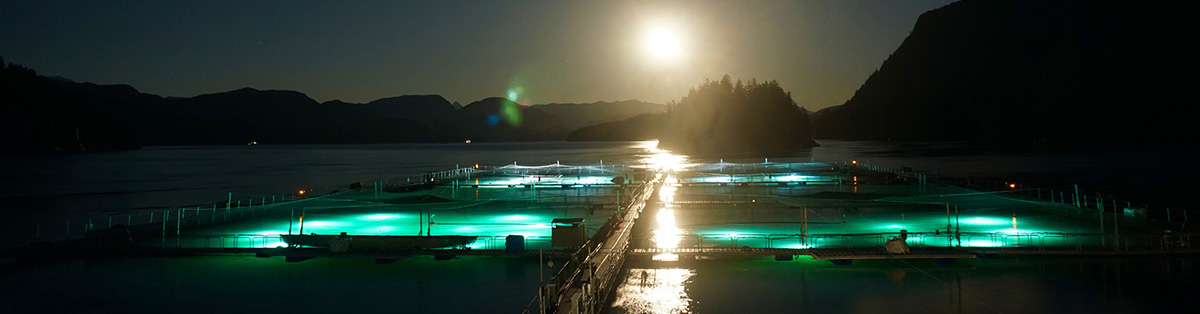
Using Marine Underwater Lights at Residential Docks
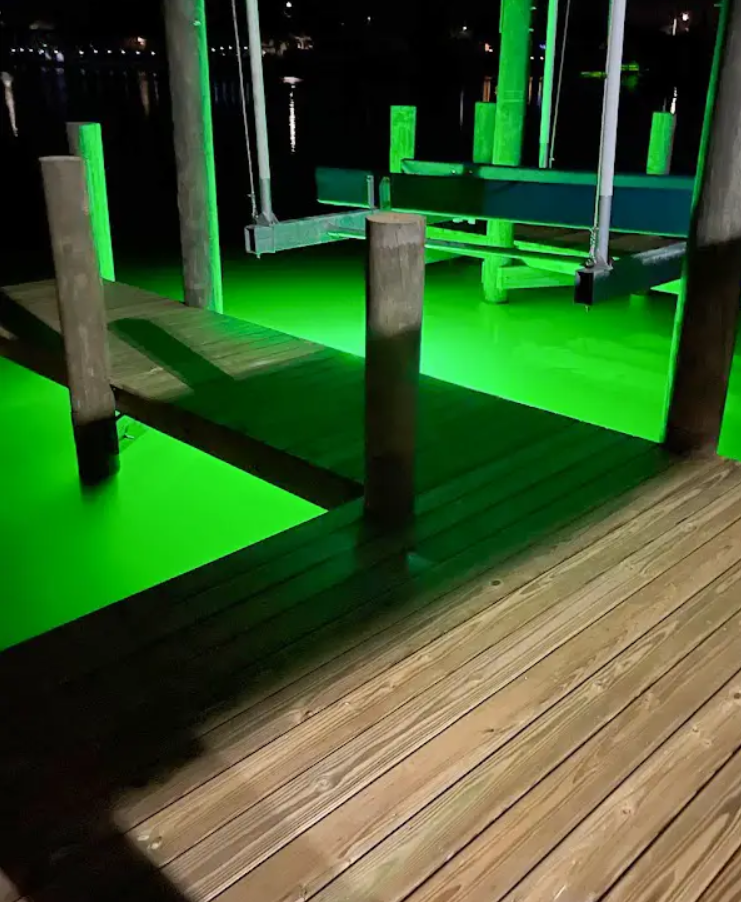
At Incredible Underwater LED Lights, we’ve seen firsthand how marine underwater lights change the way homeowners experience their docks. Once the sun goes down, a dock doesn’t have to disappear into darkness. With properly placed underwater LED lights, the water around a residential dock becomes visible, active, and inviting, especially along inlet waterways and lakefront properties.
Marine underwater lights are no longer just an add-on. For many waterfront homeowners, they’ve become a natural part of dock design and daily use. Underwater dock lights help illuminate the waterline, create a clear view beneath the surface, and support common activities like nighttime fishing and relaxing by the dock after dark. When underwater green lights are installed correctly, they can also attract baitfish and larger fish, making them a popular choice for homeowners who enjoy fishing from their dock.
In this guide, we’ll walk through how underwater fishing lights and underwater fish lights are commonly used at residential docks connected to inlet waterways. We’ll cover typical dock setups, how lights are positioned and installed, and how homeowners incorporate marine underwater lights into their dock environment for both function and enjoyment. Whether you’re interested in improving visibility, supporting fishing activity, or simply making better use of your dock at night, this article is designed to give you a clear understanding of how underwater lighting fits into real-world dock use.
What Marine Underwater Lights Are and Why They Matter at Docks
Understanding Marine Underwater Lights at Residential Docks
When we talk about marine underwater lights, we’re referring to lighting systems designed to be placed below the waterline at residential docks. These lights are installed along dock edges, pilings, or nearby underwater structures to illuminate the water itself rather than the dock surface. At homes connected to inlet waterways or lakes, this type of lighting helps homeowners interact with the water in a more direct and meaningful way after sunset.
Unlike decorative dock fixtures or overhead lights, marine underwater lights are focused on what’s happening beneath the surface. They turn dark, hidden water into a visible part of the dock environment, making nighttime use more engaging and practical.
The Role of Underwater LED Lights Below the Dock
Underwater LED lights play a key role in revealing underwater space that would otherwise be invisible at night. Once installed, they create a clear view of the waterline, pilings, and movement beneath the dock. This visibility helps homeowners see changes in water activity, observe fish behavior, and better understand how their dock interacts with the surrounding water.
For many dock owners, this added visibility makes the dock feel more connected to the water rather than separate from it once daylight fades.
Why Underwater Green Lights Are Commonly Chosen
Underwater green lights are commonly installed at docks because of how they interact with the underwater environment. Green light is easily visible through water and helps attract baitfish, which in turn can draw larger fish closer to the dock. This makes green lighting especially popular among homeowners who enjoy fishing or simply watching marine life gather near their dock at night.
In addition to fish attraction, underwater green lights provide a soft, consistent glow that allows people on the dock to see underwater activity without overpowering the surrounding area.
How Underwater Dock Lights Differ From Above-Water Lighting
Underwater dock lights serve a very different purpose than traditional dock or post-mounted lighting. While above-water lights illuminate walkways and seating areas, underwater lights focus entirely on what’s happening below the surface. They don’t light the dock itself. Instead, they define the edge of the dock, highlight underwater structure, and create a visual boundary between land and water after dark.
This below-surface focus is what makes underwater lighting such a distinct addition to residential docks.
What Homeowners Want From Underwater Lighting
Homeowners choose underwater lighting for a variety of practical and lifestyle reasons. Common goals include extending time outdoors after sunset, enjoying evening swimming near the dock, viewing fish activity, and supporting nighttime fishing. Underwater fish lights are especially valued by dock owners who regularly fish from their property and want a better view of what’s happening in the water.
From both the dock and nearby boats, underwater lighting is perceived as a functional and intentional enhancement. It signals active waterfront use, improves nighttime visibility, and helps create a dock environment that feels usable and inviting long after the sun goes down.
Typical Dock Setups for Underwater Lighting
Common Residential Dock Configurations on Inlet Waterways
Most residential docks connected to inlet waterways follow a similar layout. They typically include a main platform, one or more access walkways, and vertical pilings that support the structure and extend into the water. These docks are designed to allow direct water access for boating, swimming, and fishing, making them ideal candidates for marine underwater lights.
Because inlet waterways often experience steady water movement, homeowners look for lighting solutions that clearly define the dock’s underwater perimeter. Marine underwater lights are commonly added to enhance visibility around the platform and highlight the space where water activity naturally occurs.
Where Underwater Dock Lights Are Commonly Installed
Underwater dock lights are most often placed near dock pilings or mounted just below the dock edge. Positioning lights in these areas helps illuminate the waterline and the surrounding underwater structure. When installed near pilings, the light spreads outward, creating visible zones where fish and other marine life can be observed.
Mounting lights under dock edges is another common approach. This placement outlines the dock’s footprint in the water and provides consistent illumination without shining directly into seating or walking areas above.
Spacing Underwater LED Lights Along the Dock
The spacing of underwater LED lights depends on the size and shape of the dock. Longer docks may use multiple lights spaced evenly along the edge to create consistent underwater visibility. Smaller docks may only require a few strategically placed lights near high-activity areas such as pilings or fishing spots.
The goal is to provide balanced illumination that covers the water around the dock without overlapping too heavily. Thoughtful spacing helps homeowners see underwater activity clearly while maintaining a clean and organized dock appearance.
Integrating Underwater Green Lights With Dock Design
Underwater green lights are designed to blend naturally into existing dock architecture. Because they’re installed below the surface, they don’t interfere with sightlines on the dock itself. Homeowners can enjoy the glow in the water without harsh light spilling onto walkways or seating areas.
From the homeowner’s perspective, this integration is key. Underwater lighting allows docks to remain functional and enjoyable from sunset onward, supporting activities like fishing, swimming, or simply spending time near the water. By fitting seamlessly into the dock’s structure, underwater lighting enhances the dock experience without changing how the space is used during the day.
How Underwater Lights Enhance Dock Fishing

Fishing Patterns Around Lit Docks
When we install lights at residential docks, we often notice how they influence fish activity. Fish tend to gather near illuminated areas because the lights attract smaller baitfish, which in turn draws larger species closer to the dock. Homeowners using inlet waterways or lakefront docks frequently observe consistent fish movement around pilings and dock edges where underwater lights are placed.
Understanding these patterns allows anglers to plan their evening and night fishing more effectively, targeting areas where fish are naturally congregating without relying on guesswork.
Why Anglers Choose Underwater Fishing Lights
Underwater fishing lights are popular among anglers because they enhance visibility underwater while attracting fish. By creating a soft glow below the surface, these lights encourage baitfish to gather, which can increase the likelihood of larger fish moving in.
Unlike above-water lighting, which illuminates only the dock, underwater lights focus on the water itself. This direct interaction with aquatic life makes them a preferred tool for nighttime fishing from residential docks.
The Advantage of Underwater Green Lights
Underwater green lights are especially effective for fishing because green wavelengths are highly visible underwater. They encourage ecosystem interaction by drawing baitfish closer to the dock, creating natural feeding activity that anglers can observe. Green light also spreads gently through the water, providing an inviting environment for fish without disrupting the overall dock aesthetic.
For homeowners interested in fishing, this type of lighting offers both functional and visual benefits, making the dock a more active and engaging space after dark.
How Fish Behavior Changes Near Lit Structures
Fish often behave differently around illuminated structures. Lit pilings and dock edges become gathering points, creating zones where fish cluster and feed. This behavior can make fishing more predictable and enjoyable, allowing anglers to target areas with higher fish activity.
The presence of underwater LED lights can encourage this natural congregation without altering the environment beyond visibility, giving dock owners the chance to interact with local fish populations more effectively.
Real-World Night Fishing Scenarios
Consider an evening snapper fishing session at a dock on an inlet waterway. By positioning underwater fishing lights near pilings and along the dock edge, anglers can see baitfish gather and cast their lines with better awareness of where fish are moving. Similarly, homeowners may find that even casual casting near a lit dock at night attracts fish that might not be visible in unlit waters.
Such scenarios illustrate how thoughtfully placed lights enhance both the experience and practicality of dock fishing.
Tips for Adjusting Light Placement for Fishing
- Place lights near pilings or corners where fish naturally gather.
- Avoid overcrowding lights in one area; even spacing helps fish distribute naturally.
- Adjust the distance from the dock edge depending on water depth to maintain a visible glow for baitfish.
- Observe fish activity after initial installation and reposition lights slightly if needed for optimal interaction.
By following these considerations, homeowners can maximize the fishing potential of their docks using underwater fishing lights while keeping the installation simple and practical.
Step-By-Step Guide to Installing Underwater Dock Lights

Installing underwater dock lights doesn’t have to be complicated. With basic tools and a little planning, homeowners can set up underwater LED lights on their docks quickly and safely. Our goal is to make your dock ready for nighttime use without the need for professional installation or complex equipment.
Step 1: Preparing the Dock and Gathering Materials
Before placing any lights in the water, start by preparing the dock edge. Clear the area of debris and ensure the waterline is easily accessible. Gather all necessary materials:
- Underwater dock lights
- Cables and connectors
- Anchor weights (if included)
- Cable straps or clips for securing cords
- A measuring tape to plan spacing
Planning your setup ahead of time ensures a smooth installation process and helps you determine the best locations for each light.
Step 2: Attaching Cables and Lowering Lights Into the Water
Once materials are ready, attach the lights to their cables according to the instructions provided with your lights. When lowering the lights into the water:
- Handle the lights gently to avoid tangling or damage to the cord.
- Position each light near pilings or dock edges where illumination is most effective.
- For longer docks, plan spacing evenly to create consistent coverage.
This step allows you to see how the lights interact with the water before final placement.
Step 3: Securing Lights with Anchor Weights
Most underwater dock lights include anchor weights to help maintain their position in the water. Attach the weights to each light carefully and lower them so the lights remain stable. Properly secured lights prevent drifting and help maintain consistent illumination along the dock perimeter.
Step 4: Connecting to the Dock Power Supply
With lights in position, connect the cords to your dock’s power supply. For safety, always use a GFCI outlet to reduce the risk of electrical hazards. Double-check that cords are secured and that connections are protected from accidental tugging or water movement.
Practical Tips for Cable Management and Spacing
- Use cable straps or clips to keep cords neatly aligned along the dock.
- Avoid looping excess cord into the water; keep it straight to prevent tangling.
- Maintain even spacing for a uniform lighting effect and to enhance visibility around the dock.
- Periodically inspect and clean lights as needed to keep them performing well over time. While some maintenance is necessary, this ensures the lights continue to provide clear underwater illumination.
Mini Installation Checklist
- Clear dock edge and prepare workspace
- Gather lights, cables, weights, and straps
- Attach cables to lights and gently lower into water
- Secure lights with anchor weights
- Connect cords to GFCI-protected power supply
- Arrange cords neatly and check spacing
- Test lights and adjust placement if needed
Following these steps allows homeowners to enjoy underwater dock lights quickly, making the dock safe, functional, and visually inviting after sunset.
Best Practices for Using Underwater Lights at Docks
Choosing the Right Time to Operate Lights
Using underwater dock lights at the right times can enhance both ambiance and fishing activity. Many homeowners find that dusk is an ideal period to turn on lights for a soft glow around the dock, creating a relaxing atmosphere for evening gatherings or quiet waterfront enjoyment.
For fishing purposes, nighttime operation can be more effective. Underwater fishing lights attract baitfish and encourage larger fish to move closer to the dock, providing a natural focal point for anglers. Observing patterns over a few evenings helps homeowners determine the best timing for their specific dock and waterway.
Coordinating Lights With Evening Activities
Lights can serve multiple purposes, from creating a scenic waterfront setting to supporting dock fishing. Here are some suggestions for coordinating lighting with common activities:
- Fishing: Position lights near pilings or along edges to attract fish without over-illuminating the entire dock.
- Social gatherings: Use a softer, more diffuse glow to enhance visibility without interfering with conversation or relaxation.
- Waterfront observation: Lights can highlight underwater activity for a better view of fish or aquatic plants, enhancing the overall dock experience.
Environmental Awareness
It’s important to consider the surrounding ecosystem when using underwater lights. Excessively bright lighting can disturb local fish behavior and other wildlife. Underwater green lights are a preferred choice because they provide visibility while blending naturally with the water environment, minimizing disruption to aquatic life. Keeping lights at a moderate intensity allows homeowners to enjoy their dock without negatively impacting the habitat.
Protecting Cords and Light Housing
Even though we avoid claims about weatherproofing, there are practical steps to protect your underwater lights:
- Secure cables along the dock using straps or clips to prevent snagging.
- Avoid placing cords where boats or equipment could tug on them.
- Inspect lights periodically and clean any buildup on the housing to maintain a clear glow.
These simple steps help maintain consistent illumination and safe operation over time.
Insights From Experienced Dock Owners
Homeowners who regularly use underwater lighting often share similar observations:
- Proper spacing of lights along the dock creates the best visual and functional impact.
- Observing how fish and baitfish respond to the lights helps refine placement for fishing.
- Evening ambiance is greatly enhanced when lights are balanced with the surrounding environment, making the dock feel welcoming and usable after dark.
By following these best practices, homeowners can get the most out of their marine underwater lights and underwater LED lights, creating a dock environment that is both enjoyable and engaging well into the night.
Explore Underwater Lighting Options for Your Dock
If you’re considering adding underwater LED lights to your residential dock, we’re here to help you find the right solution for your setup. At Incredible Underwater LED Lights, we focus on marine underwater lights designed specifically for docks and waterfront properties connected to inlet waterways and lakes. Our underwater dock lights and underwater green lights are used by homeowners who want reliable underwater visibility and a better nighttime dock experience.
We encourage you to explore our selection of underwater fishing lights and underwater fish lights to see how they’re commonly used at docks like yours. If you have questions about placement, installation, or choosing the right lighting for your dock, our team is always available to provide guidance based on real dock applications.
Take the next step by browsing our products or reaching out to us directly. We’re proud to support waterfront homeowners who want to make the most of their docks after dark.
FAQS: Common Questions Homeowners Have About Underwater Lights
1. How Deep Should Lights Be Placed?
Homeowners often ask about the ideal depth for underwater dock lights. Generally, underwater LED lights and underwater green lights are placed just below the water surface, typically a few feet deep, depending on water clarity and the dock’s height above the waterline. The goal is to ensure the light spreads evenly around the dock’s edge and pilings without being too shallow, which could expose the light to accidental contact, or too deep, which could reduce visibility and fish attraction. Observing how the light appears once powered on can help fine-tune the depth for optimal effect.
2. Can Lights Be Moved After Initial Placement?
Yes, lights can usually be repositioned after the initial installation. Using anchor weights or adjustable mounts allows homeowners to move underwater dock lights slightly to improve coverage, enhance fish activity, or better suit dock use. It’s best to plan the layout first, but minor adjustments are simple and allow you to respond to seasonal water changes, fish movement, or personal preference.
3. Do Fish Really Gather Around Underwater Lights?
Many dock owners notice increased fish activity around underwater fish lights. Lights attract smaller baitfish, which in turn draw larger species closer to the dock. While results can vary based on location and water conditions, using green underwater lights in areas with natural fish populations often encourages visible fish movement near the dock. This makes it easier for anglers to observe fish or target specific fishing spots during evening and nighttime activities.
4. Are Underwater Lights Easy for Non-Professionals to Install?
Yes, installation is designed to be straightforward for homeowners without electrical or construction experience. Underwater LED lights, dock lights, and green lights typically come with clear instructions, anchor weights, and cables that can be secured with basic tools. Following step-by-step guidance — preparing the dock edge, lowering lights, securing cords, and connecting to a GFCI-protected outlet — allows most homeowners to have their lights fully operational within a short period. Careful handling and attention to placement ensure the lights function safely and provide clear underwater illumination.
