
Shopping Cart
Wildlife-Friendly Waterfront Lighting: Protect Nature While Illuminating Your Dock
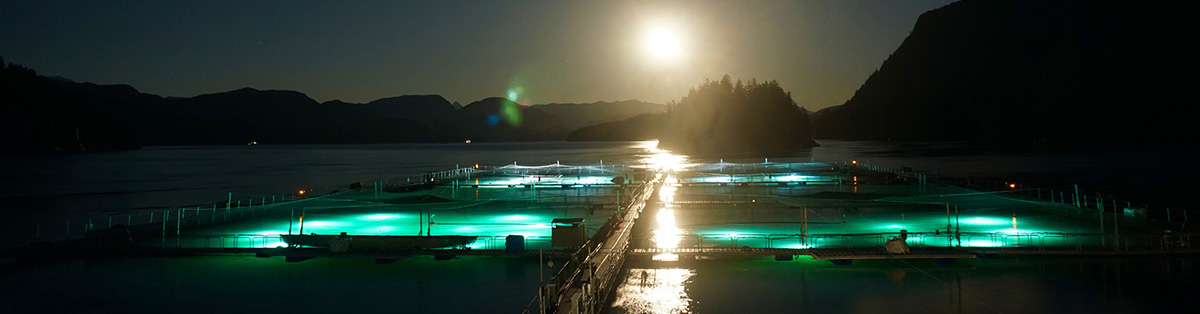
Waterfront properties offer a unique connection to nature. Docks, piers, and shorelines are places where homeowners, anglers, and boaters gather to relax, fish, or simply enjoy the view. Lighting plays an essential role in making these spaces safe and functional after sunset. However, poorly planned lighting can disrupt aquatic ecosystems, confuse wildlife, and degrade the natural beauty that draws people to the water in the first place.
Wildlife-friendly waterfront lighting focuses on balance. The goal is to provide adequate illumination while minimizing ecological impact. Advances in LED technology have made this balance more achievable than ever. Thoughtfully designed systems, including Underwater LED Lights and specialized marine fixtures, can enhance visibility, improve fishing experiences, and still protect fish, turtles, birds, and other shoreline species.
This comprehensive guide explores how to illuminate your dock responsibly. It explains the environmental impact of traditional lighting, the benefits of modern underwater solutions, and best practices for selecting and installing eco-friendly underwater lights that respect nature.
Understanding the Environmental Impact of Waterfront Lighting

Artificial light at night has far-reaching consequences in aquatic and coastal environments. Many waterfront property owners are unaware that standard dock lights can alter the natural behaviors of fish and wildlife.
Light Pollution and Aquatic Ecosystems
Excessive or improperly directed light contributes to light pollution. In aquatic environments, this pollution penetrates the water column and affects organisms that rely on natural light cycles. Fish use darkness for shelter and feeding patterns. Artificial lighting can disrupt spawning, migration, and predator avoidance.
Bright white lights, especially those mounted above water and aimed outward, often scatter across the surface. This creates glare, disorients wildlife, and reduces the natural contrast between land and water that many species depend on.
Effects on Fish and Marine Life
Fish respond differently to various wavelengths of light. Some species are attracted to certain colors, while others are repelled. Constant exposure to harsh lighting can increase stress, alter feeding habits, and make fish more vulnerable to predators.
Sea turtles, amphibians, and shoreline birds are also sensitive to artificial light. Hatchling turtles, for example, can become disoriented by bright shoreline lighting and move away from the water instead of toward it.
Wildlife-friendly lighting strategies aim to reduce these impacts while still allowing humans to safely use waterfront structures.
Why LED Technology Is Ideal for Waterfront Lighting

LED technology has transformed the way docks and marine structures are illuminated. Compared to traditional incandescent or halogen fixtures, LEDs are more efficient, durable, and environmentally adaptable.
Energy Efficiency and Longevity
LEDs consume significantly less energy than older lighting technologies. This reduces overall electricity use and lowers operating costs. Longer lifespans mean fewer replacements, which translates into less waste and reduced maintenance around sensitive waterfront areas.
Marine-grade LED fixtures are designed to withstand moisture, saltwater exposure, and temperature fluctuations. This resilience is especially important in docks and piers where maintenance access may be limited.
Precision and Control
One of the greatest advantages of LEDs is control. Modern systems allow precise adjustment of brightness, color temperature, and beam direction. This precision helps limit unnecessary light spill into surrounding water and habitats.
Underwater LED lights are particularly effective because they focus illumination below the surface rather than projecting light outward into the night sky.
The Role of Underwater Lighting in Wildlife-Friendly Design

Underwater lighting offers a more natural and less intrusive way to illuminate docks and surrounding waters. By placing light sources below the surface, property owners can reduce glare and create visually appealing effects that align with ecological principles.
Benefits of Underwater Dock Lights

Underwater dock lights provide functional illumination without overwhelming the environment. Because the light originates beneath the surface, it spreads evenly through the water rather than reflecting harshly off it.
These fixtures improve visibility around dock edges, pilings, and boat slips. They enhance safety for nighttime navigation while maintaining a softer visual footprint compared to above-water floodlights.
Reducing Surface Glare
Surface glare is a major contributor to light pollution. Above-water lights often reflect off waves and ripples, creating bright hotspots that can be seen from long distances. Underwater lighting minimizes this effect by keeping the light source submerged.
This approach not only benefits wildlife but also improves the overall aesthetic of the waterfront. The water appears gently illuminated rather than harshly lit.
Understanding Light Color and Its Impact on Wildlife

Color selection is one of the most critical factors in wildlife-friendly dock lighting. Different wavelengths interact with water and marine life in distinct ways.
Why Underwater Green Lights Are Popular

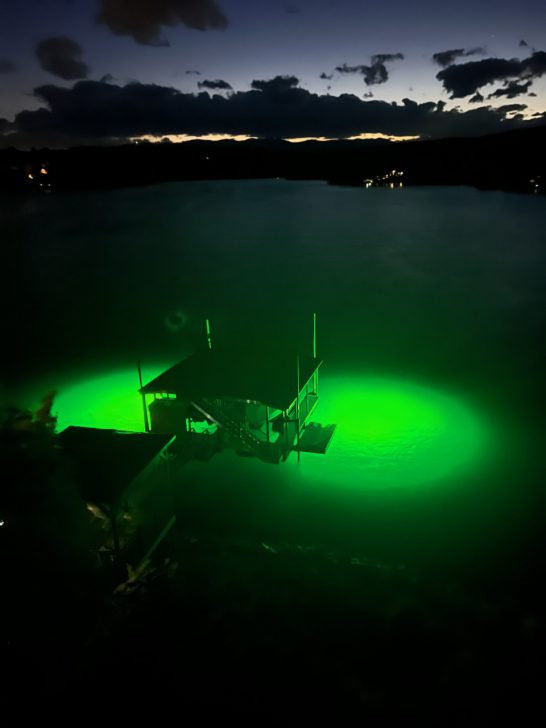
Underwater green lights are widely regarded as one of the most eco-conscious options for waterfront lighting. Green wavelengths penetrate water efficiently without being overly disruptive to most species.
Many fish are naturally attracted to green light because it enhances plankton visibility. This creates a balanced food chain effect where baitfish gather, followed by larger species, without causing excessive stress or disorientation.
Green light is also less intrusive to shoreline wildlife compared to other lights, making it a preferred choice for environmentally sensitive areas.
In addition to these ecological advantages, Underwater Green Lights support more natural nighttime behavior by preserving contrast between illuminated and non-illuminated zones. This allows fish and other aquatic species to move freely between light and dark areas, which is essential for reducing stress and maintaining healthy feeding patterns. Unlike high-intensity white lighting, green illumination does not overwhelm the visual systems of most marine organisms, helping them retain their natural orientation and depth perception.
From a practical standpoint, green underwater lighting also improves water clarity for human observers. Green wavelengths scatter less in turbid or algae-rich water, making it easier to see fish activity without increasing brightness levels. This means dock owners can achieve effective visibility using lower-wattage fixtures, further reducing energy consumption and light pollution.
Because green lighting strikes a balance between attraction and restraint, it is commonly recommended in areas near seagrass beds, mangroves, and other sensitive habitats. When paired with proper placement and controlled operating times, Underwater Green Lights offer a responsible solution that aligns human use of waterfront spaces with long-term environmental stewardship.
Underwater Fishing Lights and Responsible Angling
Fishing is one of the primary reasons many waterfront property owners install dock lighting. Properly designed Underwater Fishing Lights can enhance the angling experience without harming the ecosystem when they are selected and used with care. These lights create a focused fishing zone that improves visibility and fish activity while limiting widespread light pollution along the shoreline.
How Underwater Fish Lights Work
Underwater fish lights attract small organisms such as plankton and insects by illuminating the water column in a way that mimics natural feeding cues. These organisms draw baitfish, which in turn attract larger predatory fish, creating a predictable and efficient fishing environment. This natural progression makes fishing more productive and engaging while maintaining ecological balance. When installed correctly, underwater fish lights concentrate activity in a controlled area rather than dispersing it across the entire shoreline, which helps maintain natural movement patterns and reduces unnecessary disruption to surrounding habitats. Proper depth placement ensures the light spreads evenly through the water without disturbing bottom-dwelling species or sensitive vegetation.
Best Practices for Eco-Friendly Fishing Lights
To keep fishing lights wildlife-friendly, avoid excessive brightness and select fixtures designed specifically for marine use. Use lights only when needed and turn them off when fishing activity ends, as continuous lighting throughout the night can stress fish populations and alter feeding and resting patterns. Timers and smart controls are useful tools for managing light duration and intensity, allowing anglers to enjoy effective illumination while minimizing long-term ecological consequences.
Marine Underwater Lights for Safety and Aesthetics
Marine underwater lights serve multiple purposes beyond fishing. They enhance safety, improve navigation, and add visual appeal to docks and boats.
Improving Dock and Boat Safety
Visibility is essential for preventing accidents around docks, especially in areas with boat traffic. Submerged lights illuminate pilings, ladders, and swim areas, reducing the risk of collisions or missteps.
Because marine underwater lights are designed for harsh environments, they maintain consistent performance even in tidal zones and areas with strong currents.
Enhancing the Waterfront Experience
From a design perspective, underwater lighting creates a tranquil atmosphere. Soft illumination highlights the natural movement of water and marine life, enhancing the overall experience without overpowering the surroundings.
This subtle approach aligns well with wildlife-friendly principles, as it prioritizes harmony over brightness.
Designing a Wildlife-Friendly Dock Lighting Plan
Creating an effective and eco-conscious lighting plan requires thoughtful consideration of placement, intensity, and timing, with the goal of supporting human use while preserving natural behaviors in aquatic and shoreline ecosystems. A well-designed plan begins with identifying the primary purpose of the lighting, whether for safety, navigation, fishing, or aesthetics, and then selecting solutions that meet those needs without excessive illumination.
Strategic Placement of Lights
Position lights to illuminate only the areas that require visibility. Focus on dock edges, walkways, ladders, and immediate water zones rather than open expanses or distant shoreline areas. Avoid placing lights directly in shallow habitats such as seagrass beds or spawning areas, as prolonged exposure can disrupt feeding and breeding cycles. Proper placement also helps prevent light spill into neighboring properties and reduces glare that can disorient both wildlife and boaters. Mounting fixtures at lower heights or using underwater options further limits unnecessary exposure for sensitive species.
Managing Brightness Levels
Less is often more when it comes to waterfront lighting. Choose fixtures with adjustable output so brightness can be tailored to specific needs and conditions. Dimming capabilities allow dock owners to lower light levels during periods of low activity, further minimizing ecological impact while extending fixture lifespan and reducing energy consumption. Softer illumination also improves nighttime visibility by reducing harsh contrasts and reflections on the water surface.
Using Timers and Controls
Automated controls are an effective way to balance convenience and conservation. Timers ensure lights are not left on all night, while motion sensors can activate lighting only when someone is present. Smart systems provide flexibility, support seasonal adjustments, and encourage responsible lighting habits that align with long-term environmental stewardship.
Installation Considerations for Underwater Lighting
Proper installation is essential for both performance and environmental protection.
Professional vs DIY Installation
While some underwater fixtures are designed for straightforward installation, professional installation is often recommended. Marine electricians understand local regulations, electrical safety standards, and best practices for minimizing environmental disturbance.
Correct installation reduces the risk of electrical leakage and ensures long-term reliability.
Compliance With Local Regulations
Many coastal and inland waterway authorities have guidelines governing dock lighting. These regulations often address brightness, color, and placement to protect wildlife.
Before installing Underwater Dock Lights or Marine Underwater Lights, verify local requirements to ensure compliance and avoid potential fines.
Maintenance and Long-Term Sustainability
Wildlife-friendly lighting is not a one-time decision. Ongoing maintenance and evaluation are key to long-term sustainability.
Routine Inspections
Regularly inspect fixtures for damage, corrosion, or biofouling. Clean lenses as needed to maintain optimal light output without increasing brightness.
Well-maintained lights perform more efficiently and are less likely to cause unintended environmental effects.
Adapting to Seasonal Changes
Wildlife activity varies by season. During spawning periods or migration seasons, consider reducing lighting duration or intensity.
Being responsive to natural cycles demonstrates responsible stewardship of waterfront environments.
Balancing Human Enjoyment and Environmental Responsibility
Waterfront lighting does not have to be a choice between usability and conservation. With modern technology and thoughtful design, it is possible to enjoy illuminated docks while protecting the ecosystems that make these locations special. Responsible lighting enhances nighttime safety, improves navigation, and supports recreational activities without sacrificing environmental integrity or the natural character of the shoreline.
Underwater LED lights, when selected and used responsibly, offer a practical and sustainable solution for waterfront illumination. Options such as specialized underwater green lights provide targeted illumination that supports recreation and safety without overwhelming natural systems. Because these fixtures direct light below the surface, they significantly reduce glare, limit sky glow, and minimize disturbance to shoreline wildlife that depends on natural darkness for orientation and rest.
By prioritizing underwater placement, appropriate color selection, and controlled usage, dock owners can reduce light pollution and promote healthier aquatic environments. Adjustable brightness, timers, and smart controls further enhance this balance by ensuring light is present only when it serves a purpose. Over time, these practices contribute to more stable fish populations, improved water quality, and a more authentic nighttime waterfront experience.
Ultimately, wildlife-conscious lighting reflects a broader commitment to environmental stewardship. Thoughtfully illuminated docks demonstrate that human enjoyment and ecological responsibility can coexist, allowing waterfront properties to remain vibrant, functional, and naturally beautiful for generations to come.
The Future of Wildlife-Friendly Waterfront Lighting
As awareness of environmental issues grows, the demand for sustainable lighting solutions continues to rise. Manufacturers are developing more efficient fixtures, advanced controls, and designs that further reduce ecological impact.
Innovations in marine underwater lights are likely to focus on adaptive lighting that responds to environmental conditions in real time. These advancements will make it even easier to protect wildlife while maintaining functional and attractive waterfront spaces.

Conclusion
Wildlife-friendly waterfront lighting represents a thoughtful approach to dock and shoreline illumination. It recognizes that human enjoyment of waterfront properties is closely tied to the health of surrounding ecosystems.
By understanding the effects of artificial light and embracing modern solutions like underwater LED lights and underwater dock lights, property owners can make informed decisions that benefit both people and nature.
Careful selection of color, intensity, and placement, combined with responsible usage, ensures that docks remain safe, functional, and visually appealing without compromising wildlife. In doing so, waterfront communities can preserve the natural beauty and ecological balance that make these environments so valuable.
Make Your Waterfront Property the Talk of the Town with Underwater Dock Lights from Incredible Underwater LED Lighting
Transform your dock into a stunning nighttime focal point while protecting the surrounding ecosystem with premium solutions from Incredible Underwater LED Lighting. Our advanced underwater dock lights combine performance, durability, and eco-conscious design to enhance safety, visibility, and curb appeal. From energy-efficient underwater LED lights to wildlife-friendly underwater green lights and purpose-built underwater fishing lights, we offer options tailored to every waterfront need. Illuminate your property responsibly with marine underwater lights that deliver beauty without disruption. Elevate your dock, impress your guests, and invest in lighting that works in harmony with nature. Contact Incredible Underwater LED Lighting today to get started.
Frequently Asked Questions
1. What is the best underwater light to attract fish?
Underwater green lights are widely considered the most effective for attracting fish. They enhance plankton visibility, which draws baitfish and subsequently larger predatory species, creating a natural and balanced feeding zone.
2. Which is more eco-friendly, LED or CFL?
LED lights are more eco-friendly than CFLs. They consume less energy, last significantly longer, and do not contain hazardous materials such as mercury, making them safer for marine environments.
3. How environmentally friendly are LED lights?
LED lights are highly environmentally friendly due to their energy efficiency, long lifespan, and low heat output. These factors reduce energy consumption, waste, and ecological disturbance over time.
4. Are LEDs waterproof?
Many LEDs are waterproof, but only fixtures specifically designed and rated for marine or underwater use should be installed in waterfront or submerged applications.
