
Shopping Cart
The Science Behind Underwater Green Lights and Why They Work So Well
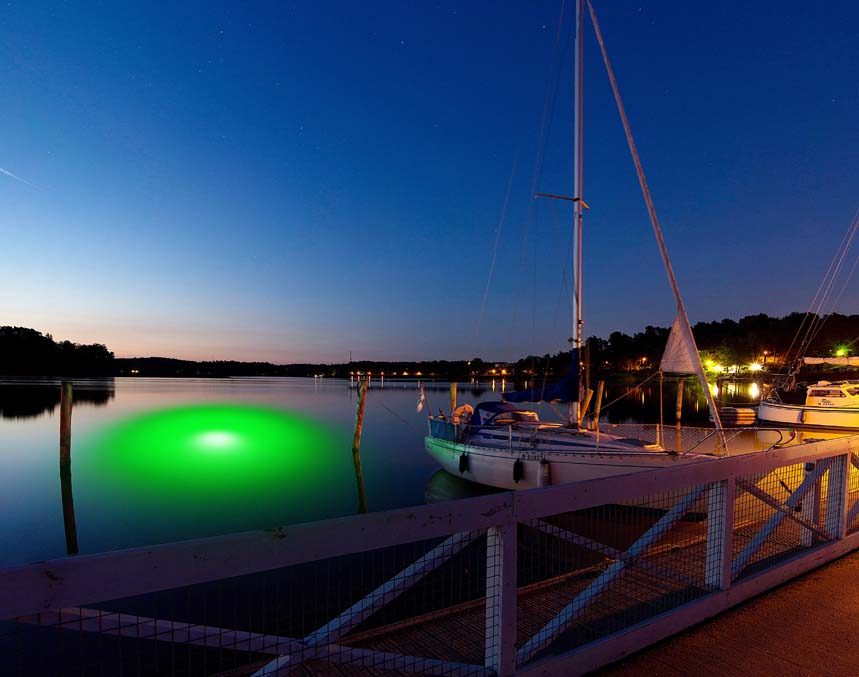
When night falls over the water, the world beneath the surface often goes unseen—until a vibrant emerald glow changes everything. Underwater green lights have become a favorite addition for dock owners, anglers, and boaters looking to enhance their nighttime experience. But beyond their mesmerizing beauty lies a fascinating blend of physics, biology, and technology that explains exactly why underwater green lights work so well.
From the way light travels through water to how marine life responds to specific wavelengths, every detail plays a role in their effectiveness. Whether your goal is to catch more fish, create an inviting ambiance, or simply admire the underwater world, understanding the science behind these lights helps you make the most of them.
How Light Behaves Underwater
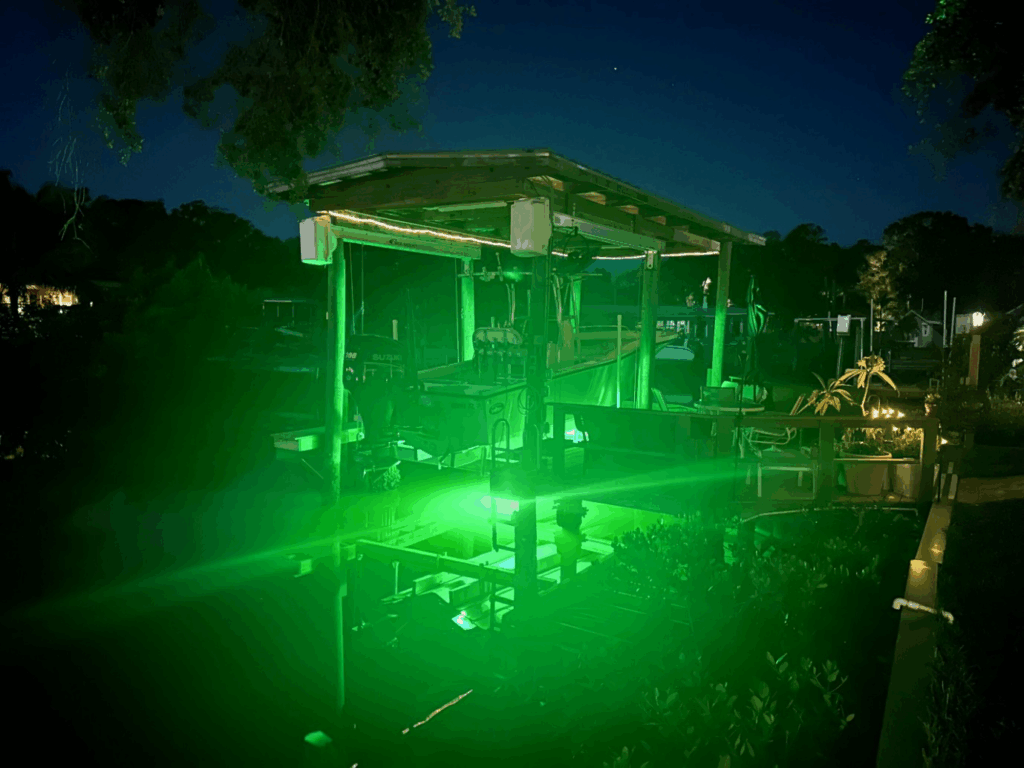
To understand why underwater green lights are so effective, it’s important to look at how light interacts with water. Water absorbs and scatters light quickly, which means that as light travels deeper, its intensity diminishes.
Green light, with a wavelength around 510-565 nanometers, penetrates water more efficiently than other colors. This allows it to maintain brightness and visibility even at greater depths, making it ideal for illuminating docks, marinas, and fishing spots. Its ability to travel through water effectively is a key reason why underwater green lights outperform other colors in both function and visual appeal.
The Wavelength Advantage
Every color of light has its own wavelength, and this determines how it behaves in water. Green light occupies a sweet spot on the visible spectrum—it’s long enough to remain visible at depth but short enough to reflect well in both clear and murky conditions.
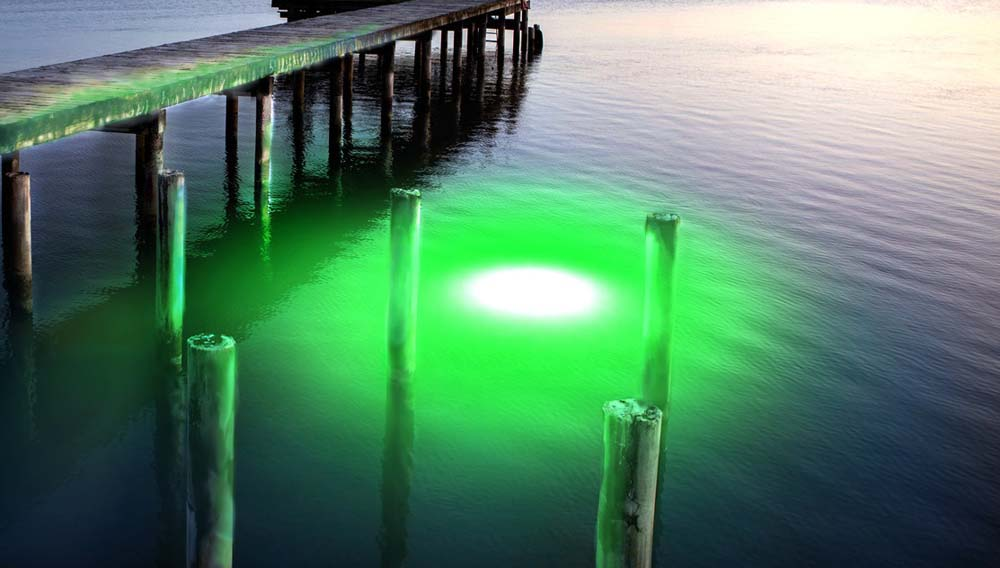
When underwater dock lights emit green light, the particles in the water—such as plankton, algae, and small sediments—scatter that light evenly, creating a glowing, diffuse illumination. This makes the water look clearer and more inviting, while providing consistent visibility for nighttime activities.
Unlike other lights which can appear harsh or create glare, green light produces a softer, more natural glow that is easier on the eyes. This makes it ideal not just for fishing, but for creating an appealing ambiance around your dock or boat.
How Green Light Attracts Fish
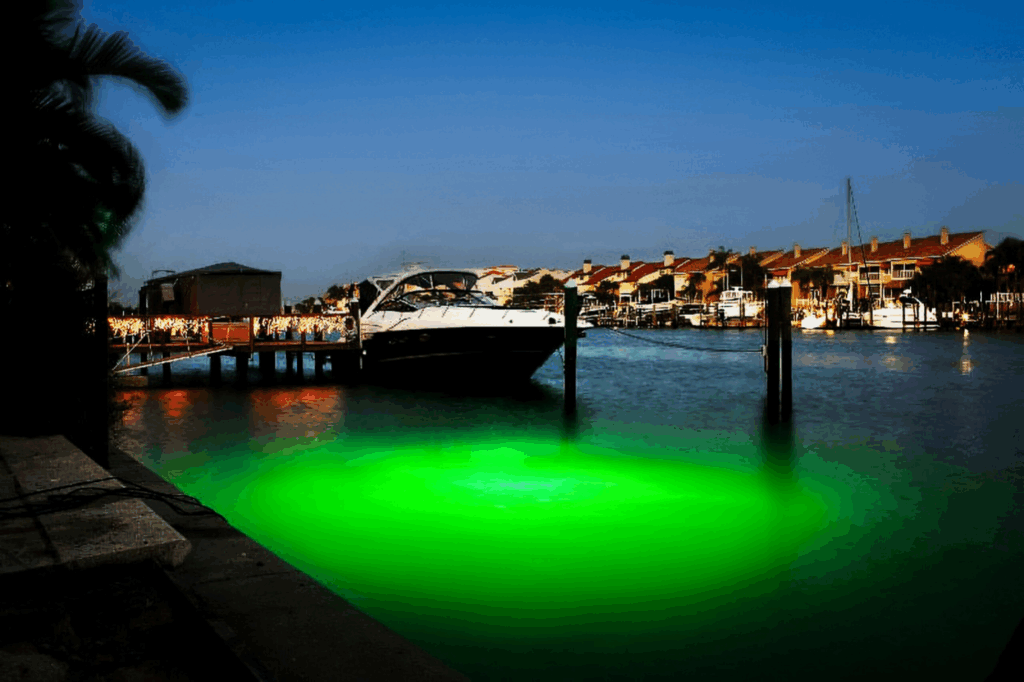
The real magic of underwater fishing lights lies in how they interact with aquatic ecosystems. The phenomenon begins with the smallest organisms—plankton. These microscopic creatures are naturally drawn to light sources, especially those within the green wavelength range. When they gather, they attract baitfish such as minnows, shad, and sardines that feed on them.
Once the baitfish arrive, larger predator species—like bass, snook, tarpon, or redfish—soon follow. The result is a vibrant, self-sustaining food chain happening right beneath your dock. This process can start within minutes of turning on underwater green lights, and within an hour, you might see schools of fish circling in the illuminated area.
For anglers, this means prime fishing conditions without the need for constant baiting or relocation. The light does the work for you by concentrating fish in a small, easily accessible zone.
The Role of Plankton and Phototaxis
The attraction of plankton to green light is based on a scientific principle known as phototaxis—the movement of organisms toward or away from a light source. Many types of plankton exhibit positive phototaxis, meaning they swim toward light.
Green light, in particular, stimulates the sensory receptors in plankton that respond most strongly to mid-range wavelengths. As these microorganisms gather near the source, they create dense clouds of food that baitfish can’t resist.
The light also reflects off suspended particles, creating flashes and movement that mimic the shimmer of smaller prey. This combination of real and perceived food sources triggers a strong feeding response in nearby fish. That’s why underwater fish lights are not just an attractant—they’re a catalyst for feeding behavior.
Why Fish See Green Light So Well
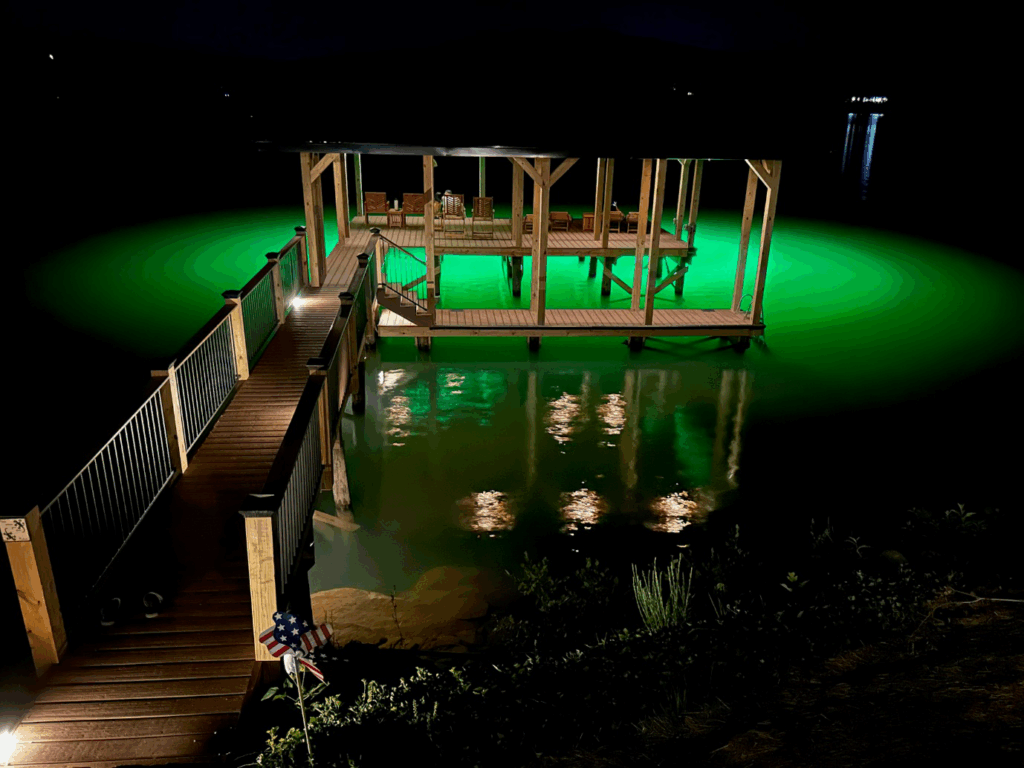
Fish vision plays a critical role in why green light works better than other colors. Most fish species have photoreceptor cells (cones and rods) that are sensitive to specific wavelengths of light. In low-light environments like nighttime waters, their eyes are more responsive to green hues.
Green light falls within the optimal range of what fish can easily perceive, even at a distance or in murky conditions. This allows them to detect both the light source and the movement of prey illuminated by it.
For this reason, underwater LED lights that emit green wavelengths provide better visibility for both the fish and the angler. Fish are naturally drawn to the illuminated zone, while anglers can watch their movements and adjust their techniques accordingly.
The LED Revolution in Marine Lighting
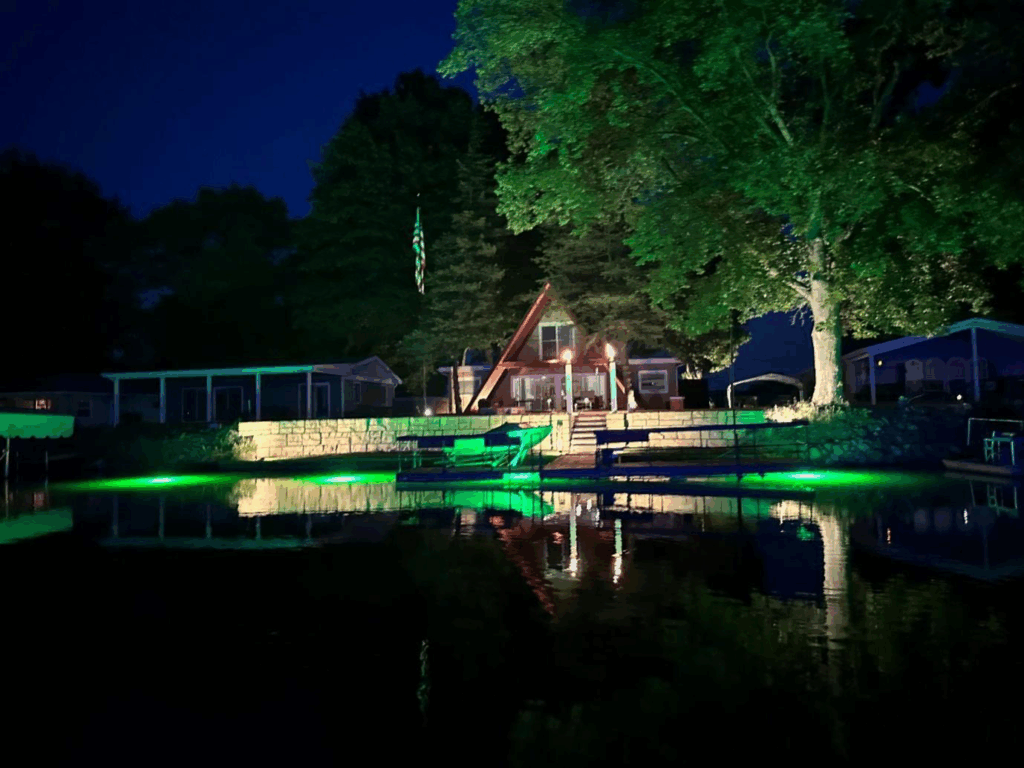
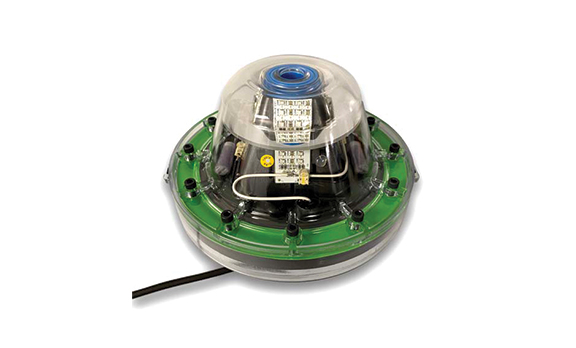
The effectiveness of modern marine underwater lights is greatly enhanced by LED technology. LEDs (light-emitting diodes) are highly efficient, converting the majority of their energy into visible light rather than heat. This allows for brighter, more consistent illumination while consuming minimal power, making them ideal for long-term underwater use.
LEDs can be engineered to emit specific wavelengths, which means underwater green lights can be precisely tuned to attract aquatic organisms effectively. This scientific calibration maximizes both visibility and fish attraction, creating a vibrant underwater environment.
In addition to efficiency, LEDs are known for their longevity. They last significantly longer than halogen or incandescent bulbs, which reduces the need for frequent maintenance and costly replacements. Their compact size allows for flexible installation, whether mounted on docks, piers, or boats, and their quality ensures reliable performance even in challenging aquatic conditions. This combination of precision, energy efficiency, and versatility makes underwater green LED lights a superior choice for both recreational and professional applications.
Green Light and Water Clarity
Another reason underwater green lights perform so well is their interaction with water clarity. In both freshwater and saltwater, suspended particles such as silt, algae, or plankton can scatter or absorb light, which reduces visibility. Green wavelengths are less affected by this scattering because they sit between the shorter wavelengths, allowing the light to travel farther and maintain its intensity.
As a result, underwater green lights appear brighter and clearer even in murky or algae-rich waters, making them highly effective in varied conditions. This consistent performance ensures that docks, piers, and fishing areas remain well-illuminated, attracting marine life and enhancing visibility for anglers. Their ability to penetrate water while maintaining a soft, natural glow makes green lights ideal not only for fishing but also for creating an inviting nighttime ambiance. From shallow lakes to deep coastal waters, underwater green lights provide reliable illumination that enhances both function and aesthetic appeal.
The Psychology of Color and Atmosphere
Beyond their scientific and biological functions, underwater green lights also have a powerful psychological effect. The color green is naturally associated with calmness, balance, and a connection to nature. When reflected through water, it transforms a simple dock or waterfront into a serene and inviting space, creating a tranquil atmosphere that soothes the senses and encourages relaxation.
Dock owners often describe their illuminated waterfronts as peaceful, almost meditative retreats. The gentle ripples of glowing water add a dynamic, ever-changing quality that is both mesmerizing and comforting. This subtle movement, combined with the soft emerald glow, draws the eye and engages the mind, fostering a sense of harmony and well-being. Whether sitting quietly with a book, entertaining guests, or watching fish swim through the illuminated area, underwater green lights provide an immersive experience that enhances the connection between people and the aquatic environment, making each evening by the water uniquely memorable.
The Technology Behind Underwater Green Lights
Modern underwater LED lights combine several advanced technologies to ensure optimal performance, efficiency, and longevity.
- Precision Optics: Direct the light downward and outward for maximum coverage, reducing wasted illumination and enhancing visibility across the water.
- Energy-Efficient Drivers: Regulate voltage to maintain consistent brightness while minimizing power consumption.
- Encapsulated Housings: Protect electrical components from water intrusion, ensuring safe, reliable operation even when fully submerged.
- Custom Wavelength LEDs: Emit targeted green light optimized for both visibility and biological attraction, effectively drawing fish and illuminating the underwater environment.
These engineering advancements allow users to achieve the perfect balance of brightness, efficiency, and ecological harmony. Many underwater green lights are compatible with low-voltage systems, solar-powered setups, or programmable controls, providing flexibility for a wide range of installations. Their compact design allows easy placement under docks, piers, or boats, while their precise light output ensures even coverage and maximum fish attraction. By integrating advanced optics, energy management, and wavelength tuning, modern underwater dock lights create a visually stunning and functional aquatic experience with minimal maintenance.
How to Get the Best Results
To make the most of your underwater fishing lights, placement and setup are key. Positioning the lights correctly maximizes both visibility and fish attraction.
- Depth: Place lights 2 to 3 feet below the surface to reach the most active layers of the water.
- Spacing: For larger docks, install multiple lights evenly apart for uniform illumination.
- Timing: Turn lights on 30–60 minutes before sunset to allow plankton to gather.
- Maintenance: Periodically clean the lenses to maintain brightness and clarity.
Following these steps ensures your underwater green lights not only look great but also function effectively throughout the night.
Why Anglers Love Green Light
Anglers swear by underwater fish lights for good reason—they simplify night fishing while significantly improving success rates. Underwater green lights naturally attract fish, creating a steady, predictable feeding zone without spooking them. This reliable congregation of marine life allows anglers to plan their casts more effectively and anticipate fish movement, making each fishing session more productive.
Experienced fishers also use green lights to study behavioral patterns, observe feeding habits, and determine the best times and techniques for different species. The illumination makes handling lines, hooks, and bait in low-light conditions much easier, enhancing both safety and efficiency.
For families or casual fishers, the experience goes beyond catching fish. Watching schools of baitfish swirl and larger predators glide through the glowing water beneath the dock creates a mesmerizing, almost magical display. Children and adults alike can enjoy an educational and entertaining glimpse into aquatic life. The combination of practical advantage and captivating visual appeal makes underwater green lights an indispensable addition for anyone looking to elevate their night fishing experience.
Green Light Beyond the Dock
While underwater dock lights are most common, green lighting technology extends to many other marine applications:
- Boats: Installed along hulls for visibility and night fishing.
- Marinas: Used to mark slips and attract fish for eco-tourism.
- Ponds and Lakes: Enhance aesthetics and attract fish in residential settings.
- Resorts: Create captivating nightscapes that draw guests to the water.
This versatility makes underwater green lights valuable in both recreational and commercial contexts. Whether you’re lighting up a private dock or a public marina, the result is the same—a stunning glow that brings the water to life.
Environmental Harmony
One of the lesser-known benefits of underwater LED lights is their low environmental impact. Unlike older halogen systems, LEDs emit minimal heat and don’t disturb aquatic habitats. They use less energy, produce no harmful emissions, and operate quietly, ensuring that marine ecosystems remain undisturbed.
Additionally, the concentrated beam of green light reduces light pollution, focusing illumination where it’s needed—underwater. This creates a sustainable balance between human enjoyment and ecological preservation.
The Experience of Light and Life
The sight of fish circling through beams of green light is almost hypnotic. It’s a dance of nature and technology, where every flicker and flash reveals the vitality of the underwater world. Whether you’re fishing, entertaining guests, or simply relaxing at night, the glow offers a front-row seat to aquatic life in motion.
Underwater green lights don’t just illuminate water; they illuminate experience. They bridge the gap between science and serenity, turning ordinary waterfronts into living, breathing ecosystems filled with light and life.
Maintenance and Care Tips
To keep your underwater dock lights performing at their best, a little routine care goes a long way:
- Clean regularly to remove algae buildup or mineral deposits that reduce brightness.
- Check electrical connections for wear or corrosion, especially in saltwater environments.
- Inspect placement after storms or seasonal changes to ensure the lights remain properly positioned.
- Avoid harsh chemicals—use gentle cleaning solutions or a soft brush.
By maintaining your lights, you preserve both their beauty and effectiveness, ensuring consistent performance night after night.
The Science Meets the Spectacle
What makes underwater green lights truly special is how seamlessly science and aesthetics come together. The principles of light physics, marine biology, and LED engineering all converge to produce an effect that’s as functional as it is beautiful.
It’s this perfect balance—scientific precision paired with visual wonder—that keeps these lights in high demand. Every time you turn them on, you’re not just lighting water—you’re activating a living ecosystem and inviting nature to take center stage.
Why They Work So Well
In summary, underwater green lights work so well because they:
- Penetrate water effectively due to their optimal wavelength.
- Attract plankton and baitfish through phototaxis.
- Enhance fish visibility and behavior recognition.
- Provide soft, natural illumination ideal for docks and marinas.
- Combine energy-efficient LED technology with captivating design.
It’s a rare instance where beauty and science go hand in hand, producing a result that benefits both humans and aquatic life.
Turn Your Dock into a Glowing Nighttime Haven with Incredible Underwater LED Lighting
Bring science and beauty together with Incredible Underwater LED Lighting’s premium underwater green lights. Watch as your dock transforms into a fish-attracting paradise and your nights on the water become unforgettable. Shop underwater dock lights today and discover the glow that brings your waterfront to life!
Frequently Asked Questions
Q1: Why is green the preferred color for underwater lights?
Green light penetrates water better than most colors and attracts plankton, baitfish, and larger game fish. It also produces a soothing, natural glow that enhances visibility and atmosphere.
Q2: How long does it take for fish to gather after turning on the lights?
Fish often begin appearing within 15–30 minutes as plankton and baitfish accumulate around the illuminated zone. After about an hour, you’ll typically see a full ecosystem forming.
Q3: Do underwater green lights work in both freshwater and saltwater?
Yes. The same scientific principles apply in both environments. Whether in a lake, river, bay, or marina, green light effectively attracts fish and enhances visibility.
Q4: Can I leave underwater LED lights on all night?
You can safely run underwater LED lights overnight. They’re energy-efficient, low-heat, and designed for extended use. Many models even include automatic timers or dusk-to-dawn sensors.
