
Shopping Cart
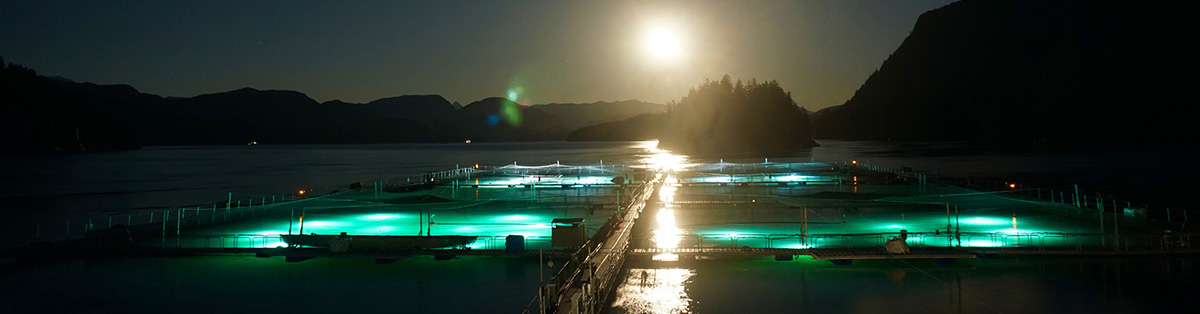
Advanced Optics Underwater: Exploring Spectrum Control and Diode Performance in Next-Generation Green Dock Light Technology

Modern marine lighting has evolved from simple illumination to precise optical engineering. The latest underwater green lights are more than aesthetic additions to docks or marinas—they represent a fusion of photonic design, diode efficiency, and spectrum management. By focusing on wavelength precision, manufacturers can optimize visibility underwater while minimizing energy waste. These lights enhance marine attraction, improve underwater clarity, and contribute to sustainable illumination systems tailored for diverse aquatic environments.
Spectrum Control: Maximizing Light Penetration and Marine Visibility
The color spectrum plays a critical role in underwater lighting performance. Green wavelengths, typically between 490–580 nanometers, penetrate water more effectively. Advanced optical systems use precise spectrum control to maintain intensity even in murky or brackish conditions.
By calibrating the spectral output, engineers ensure that light dispersion remains uniform, allowing for enhanced visibility without overpowering marine ecosystems. This selective illumination reduces backscatter—light reflected by suspended particles—and increases clarity around docks and boats. The result is a balanced lighting system that supports both visual and ecological efficiency.
Diode Performance: Precision Engineering for Longevity and Output
At the core of every high-quality green dock light is a sophisticated diode array. Modern LED diodes are designed to operate at high efficiency with minimal thermal degradation, ensuring consistent luminous output over extended periods. Advanced materials such as gallium nitride (GaN) and indium gallium nitride (InGaN) contribute to superior performance in aquatic environments.
Engineers also utilize current regulation and micro-lens technology to optimize beam spread and focus. These enhancements prevent energy loss and ensure that each photon contributes effectively to underwater illumination. The result is a high-lumen, low-energy lighting system tailored for precise optical control.
Integration with Smart Marine Systems
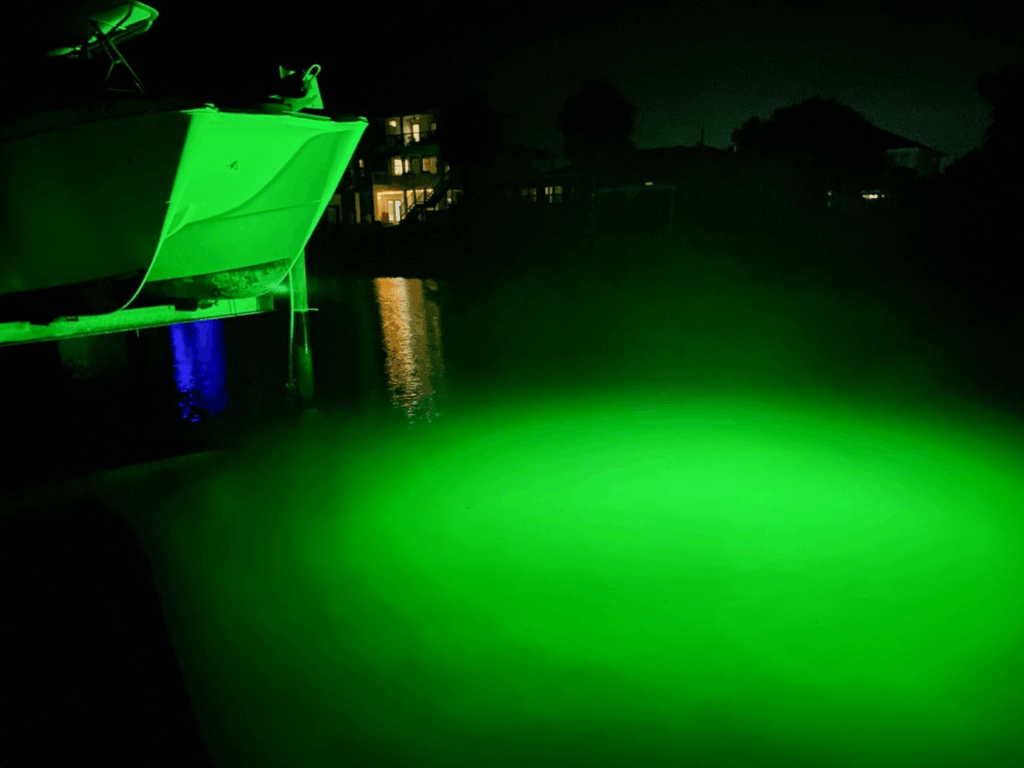
Next-generation underwater lighting technology does not exist in isolation. Many systems are now integrated with smart marine networks, allowing users to control brightness and activation through digital interfaces. This adaptability enables real-time adjustments based on water clarity, depth, or desired visual effect.
Through sensor feedback and programmable lighting controls, spectrum performance can be dynamically tuned to changing underwater conditions. This convergence of optics, electronics, and automation marks a significant step toward intelligent, eco-efficient marine illumination.
The Future of Subaquatic Lighting
As optical science and diode technology continue to advance, underwater green lights are becoming central to sustainable marine design. Their ability to balance energy efficiency with ecological sensitivity positions them as essential tools for next-generation waterfront applications. By refining spectrum control and diode performance, engineers are shaping a future where underwater illumination is both efficient and environmentally responsible.
Illuminate Smarter, Fish Better with Incredible Underwater LED Lighting
Enhance visibility and attract marine life with our advanced Underwater LED Lights and underwater green lights. Experience superior clarity and performance—explore our innovative lighting solutions today and upgrade your dock or fishing setup with precision-engineered brilliance. Contact us now to find out more.
Frequently Asked Questions
1. Can LED lights work underwater?
Yes, LED lights can work effectively underwater when designed with waterproof and corrosion-resistant housings. Marine-grade LED systems are sealed to prevent water intrusion and operate efficiently under submerged conditions. These lights are ideal for docks, boats, and fishing environments.
2. Are LED underwater lights better?
Underwater LED lights are superior to traditional halogen or incandescent options due to their high energy efficiency, lower heat output, and longer lifespan. They also offer better illumination quality, color precision, and reduced maintenance needs, making them the preferred choice for sustainable marine and dock lighting applications.
3. What kind of lights are used underwater?
Underwater lighting systems typically use LED lights because of their compact size and energy efficiency. Green LEDs are most common for marine environments since their wavelengths penetrate water more effectively.
4. How do underwater lights work?
Underwater lights operate by using sealed LED diodes encased in waterproof housings that protect against moisture and pressure. When powered, they emit focused beams of light that cut through the water, improving visibility, safety, and marine attraction.
