
Shopping Cart
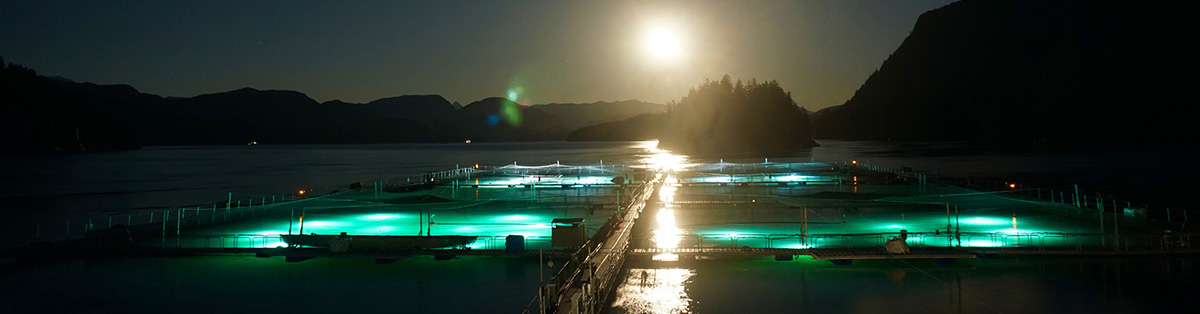
Understanding Underwater Fishing Lights and Their Role in Night Fishing Near Docks
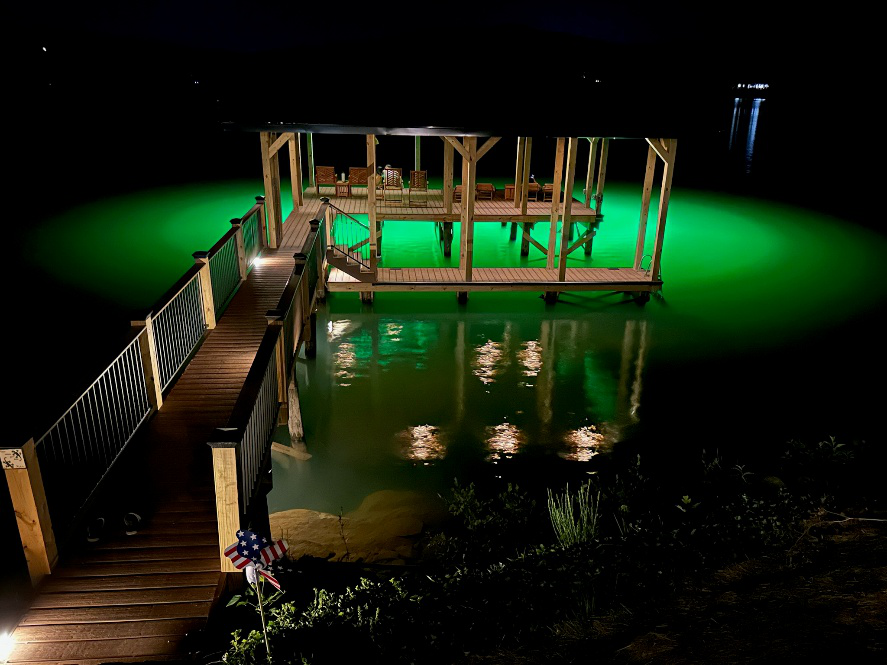
Night fishing around docks has a very different feel compared to daytime activity. Once the sun goes down, the water surface turns darker and less readable, which changes how people interact with the space. That shift is exactly where Underwater Fishing Lights start to play a practical role.
Instead of relying on guesswork in low visibility conditions, underwater lighting helps bring structure back into the water around a dock. When Underwater LED Lights are positioned below the surface, they create a visible illuminated area that makes underwater conditions easier to observe during nighttime hours. This changes the dock from a simple access point into a more defined fishing environment after dark.
In many dock-based setups, underwater fish lights are used specifically to illuminate underwater activity near the structure itself. The goal is not to change the environment, but to make what is already happening beneath the surface easier to see. Depending on placement and water conditions, the illuminated zone may stay close to the dock edges or extend slightly outward into surrounding water.
In this article, we’ll look at how underwater fishing lights are used around dock environments, how they are typically positioned for underwater visibility, and how they contribute to nighttime fishing activity in practical, real-world conditions.
What Underwater Fishing Lights Are and How They Work Near Docks
Before getting into placement or fishing use cases, it helps to understand what underwater fishing lights are actually doing once they are in the water. Around docks, these systems are less about decoration and more about creating a visible underwater space that can be observed at night.
Basic Purpose of Underwater Fishing Lights
In most dock setups, underwater LED lights are positioned to cast light outward from the installation point. This creates a defined illuminated zone beneath and around the dock area, rather than a single fixed point of light. The result is a visible underwater space that extends into nearby water depending on depth, clarity, and placement.
Green illumination is commonly used in these systems, and it serves as the primary visual output in many dock-based applications. When underwater fish lights are operating, the green underwater glow helps outline the submerged environment in a way that stands out clearly against darker surrounding water.
The goal is not to change what is happening in the water, but to make it easier to see.
How Light Behaves in Dockside Water Conditions
Once installed, underwater fishing lights interact directly with the natural conditions of the water around the dock. This is where performance can vary from one location to another.
Water clarity is one of the biggest factors. In clearer water, underwater LED lights may produce a wider visible area, allowing light to spread farther from the fixture. In water with more sediment or natural movement, the illuminated zone often appears more concentrated closer to the source.
Dock structures themselves can also influence visibility. Pilings, beams, and platforms may partially block or redirect light, shaping how the underwater area appears from different viewing angles.
This interaction between light and water is what makes underwater fishing lights so specific to dock environments, they are designed to work with changing conditions, not against them.
Placement Strategies for Underwater Dock Fishing Setups
When it comes to Underwater Fishing Lights, placement is where most of the real-world performance is decided. Around a dock, the water is constantly influenced by movement, structure, and changing depth, so positioning has to work with those conditions rather than against them.
A well-planned setup doesn’t just drop lights into the water—it builds a controlled illuminated area that supports visibility where it matters most near the dock.
Common Dock-Based Installation Locations
Most underwater dock lights are installed along the perimeter of the dock structure. This edge-based placement helps define the boundary between the dock and surrounding water, creating a clearer underwater viewing zone at night.
In many setups, fixtures are positioned near pilings or support posts. These points naturally break up the dock structure, making them practical reference spots for spacing Underwater Fishing Lights evenly.
Some installations focus lighting closer to where people typically gather or fish from, while others distribute lighting more evenly around the entire dock footprint. The choice usually depends on how the space is used and how much surrounding water visibility is needed.
Depth and Angle Considerations for Fishing Visibility
Depth plays a major role in how Underwater LED Lights behave once installed. A fixture placed closer to the surface will typically create a more concentrated illuminated zone near the dock edge. A deeper installation may allow light to spread differently through the water column, changing how the illuminated area appears from above.
Angle is just as important. Lights that are aimed slightly outward from the dock can extend visibility into surrounding water, while more downward-facing angles tend to concentrate illumination closer to the structure itself.
Because dock environments are rarely uniform, small adjustments in depth and angle often make a noticeable difference in how Underwater Fishing Lights perform.
Creating Effective Underwater Coverage Near Fishing Areas
Good placement isn’t just about individual fixtures, it’s about how the entire system works together. If Underwater Fish Lights are spaced too closely, the light can become overly concentrated in certain areas, creating uneven brightness. If they are spaced too far apart, darker gaps may form between illuminated zones.
How Underwater Fishing Lights Influence Nighttime Water Visibility
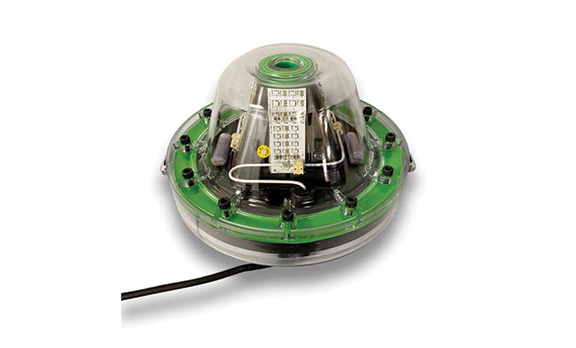
Once underwater fishing lights are switched on near a dock, the most immediate change is how the water stops feeling like an empty dark surface. Instead, a defined underwater area begins to take shape, and what was previously hidden becomes easier to observe from above.
This shift isn’t about changing the water itself, but about revealing what is already happening beneath it in real time.
Illumination of Underwater Activity Near Docks
One of the main effects of underwater fishing lights is improved visibility of movement beneath the surface. Around dock environments, water is often too dark at night to clearly see underwater activity. Once Underwater LED Lights are installed below the surface, that visibility changes within the illuminated zone.
The level of detail you can see depends heavily on conditions. In clearer water, movement can appear more defined across a wider area. In more active or less clear water, visibility tends to stay closer to the light source, creating a tighter viewing zone.
Dock structure also plays a role in how this appears. Pilings, beams, and platform edges can shape how light spreads, which means different sections of the same dock may show slightly different visibility patterns even when using the same underwater fish lights setup.
What remains consistent is the ability to see underwater activity more clearly within the lit area compared to unlit surrounding water.
Role of Green Light in Underwater Visibility
In most dock-based systems, green illumination is the primary output used by underwater fishing lights. This green underwater lighting helps define the illuminated zone in a way that stands out against darker water conditions at night.
When Underwater LED Lights are operating, the green glow creates a clear visual boundary between illuminated and non-illuminated areas. This makes it easier to distinguish underwater space directly around the dock from the surrounding environment.
Water movement can also influence how this appears. Gentle currents or surface motion may cause the illuminated area to shift slightly, while calmer conditions can create a more stable and even underwater view.
Regardless of these changes, green illumination remains a consistent way to maintain visible structure beneath the surface near dock areas.
Over time, this combination of lighting, water conditions, and dock layout determines how effective underwater fishing lights are at shaping nighttime visibility in a practical, real-world setting.
Practical Night Fishing Use Cases Around Docks
When we move from how underwater fishing lights work to how they’re actually used, the focus shifts to real nighttime activity around docks. In these environments, lighting isn’t just about visibility in theory, it’s about how the water behaves and how clearly it can be seen when conditions are darker and less predictable.
Improving Visibility During Night Fishing Activities
One of the most practical uses of underwater dock lights is improving visibility in the water directly surrounding the dock during night fishing. Once underwater LED lights are positioned below the surface, the area around the dock becomes easier to observe compared to unlit water.
This change is most noticeable in the immediate zone around the dock structure. Instead of looking into dark water with limited detail, the illuminated area provides a clearer view of what is happening beneath the surface.
Even with these variations, the presence of underwater lighting creates a more structured viewing area that supports nighttime activity around the dock.
Creating Structured Fishing Zones Near Docks
Beyond visibility, underwater fish lights also help define specific areas of focus around a dock. Instead of the entire surrounding water feeling uniform and dark, the illuminated sections create a visual boundary that outlines where activity is easier to observe.
In many dock setups, this results in what feels like a structured underwater zone. The dock becomes the central reference point, and the illuminated water extends outward in a controlled way based on how the underwater LED lights are positioned.
Spacing and placement play a big role in how this zone is formed. If lights are concentrated too tightly, the illuminated area can feel restricted. If they are spaced more widely, the visible zone expands but may feel less dense in certain sections.
Installation Considerations for Underwater LED Fishing Systems
Installing underwater fishing lights around a dock is not just a matter of choosing where the water looks darkest. The setup works best when it is planned around how the dock is used, how the water moves, and how visibility needs to be structured in real conditions.
A thoughtful installation helps the underwater LED lights form a clear, usable underwater viewing area instead of scattered or uneven illumination.
Planning Placement Before Installation
Before any underwater fish lights are installed, the layout of the dock itself needs to be considered. The shape of the structure, where people typically stand or fish, and how far the dock extends into the water all influence lighting decisions.
Most installations start by identifying key zones around the dock where underwater visibility matters most. These are usually areas near the outer edges or along sections where activity is expected during nighttime hours.
From there, placement is mapped out so that underwater fishing lights can be positioned in a way that supports consistent coverage rather than isolated points of light. This helps the illuminated area feel connected across the full dock environment.
Power access and cable routing are also part of early planning. Understanding where power is available and how far fixtures will need to be run helps prevent awkward spacing or installation limitations later.
Positioning Lights for Consistent Underwater Visibility
Once installation begins, positioning becomes the most important factor in how underwater LED lights perform.
Depth is a key variable. A fixture placed closer to the surface will often create a tighter, more concentrated illuminated area near the dock. A deeper placement can allow light to spread differently through the water, changing how the visible zone appears from above.
Angle also matters. Underwater fishing lights aimed slightly outward from the dock can extend visibility into surrounding water, while lights directed more downward tend to keep illumination closer to the structure itself.
Spacing between fixtures has a direct impact on how balanced the lighting feels. If underwater dock lights are placed too close together, the illuminated zones may overlap heavily. If they are spaced too far apart, gaps can appear between lit areas, making the underwater view feel uneven.
Water movement adds another layer of variation. Tides, surface motion, and suspended particles can subtly shift how light spreads, even when fixtures are positioned carefully.
Because of these factors, installation often requires small adjustments once the system is in place. Even minor changes in depth or angle can noticeably improve how consistent the underwater visibility appears around the dock.
Maintenance and Long-Term Use Expectations
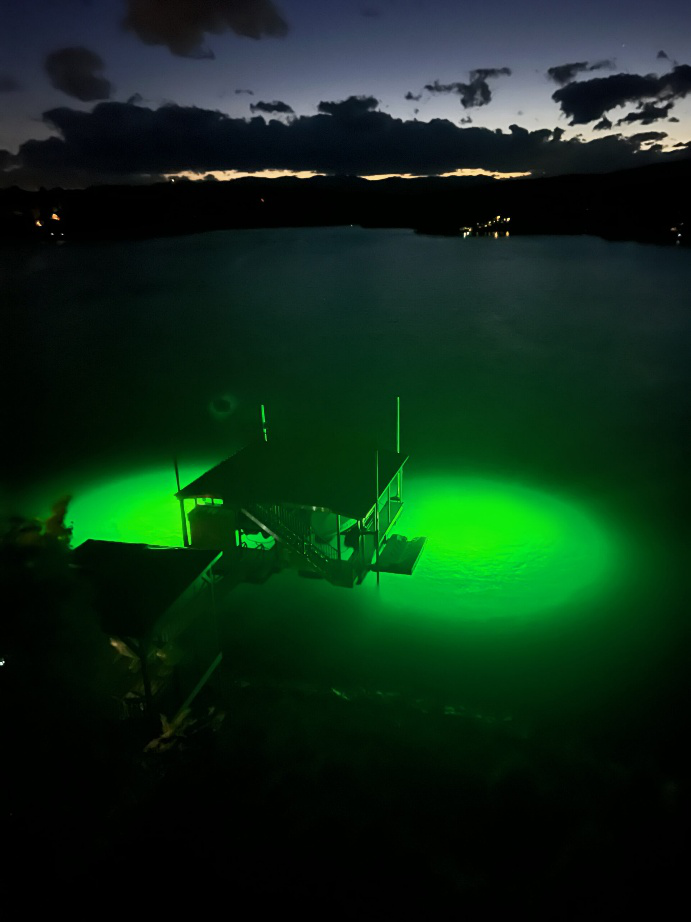
Once underwater fishing lights are installed around a dock, the system becomes part of a constantly changing environment. Water conditions shift, natural buildup forms on surfaces, and visibility gradually changes over time. Because of this, maintenance is not an optional step, it’s part of keeping the lighting usable in real dock conditions.
Importance of Routine Cleaning
One of the most important aspects of maintaining underwater LED lights is regular cleaning. Over time, algae, sediment, and other natural material begin to collect on the fixture surface. This buildup can reduce how clearly light passes through the housing and affect how the illuminated area appears underwater.
In dock environments, this happens gradually and can vary from one fixture to another. Lights positioned in areas with more movement or exposure may accumulate buildup differently than those in calmer sections.
For underwater fishing lights, routine cleaning helps keep the illuminated zone more consistent and readable. Without it, the light is still functioning, but the clarity and spread underwater may become less defined over time.
Cleaning frequency depends on local water conditions, but it should be treated as a normal part of system upkeep rather than something done only when performance drops noticeably.
Maintaining Visibility Over Time
Beyond cleaning, ongoing inspection plays a role in long-term performance. underwater fish lights should be checked periodically to ensure they remain properly positioned and continue operating as expected in changing w4f3crater conditions.
Water movement, seasonal changes, and sediment shifts can all influence how underwater dock lights appear over time. A setup that looks balanced initially may slowly change in appearance as conditions evolve around the dock.
In some cases, one section of a dock may require attention sooner than another due to differences in depth or exposure to movement. This is a normal part of how underwater lighting behaves in real environments.
Regular checks help ensure that underwater LED lights continue to provide a consistent underwater viewing area rather than gradually becoming uneven or less defined.
Over the long term, maintenance becomes less about fixing problems and more about preserving visibility. When cleaning and inspection are done consistently, underwater fishing lights remain more stable in appearance and continue to support clear underwater visibility around dock environments.
Explore Better Nighttime Dock Visibility with Underwater Fishing Lights
If you’re planning to improve how your dock functions at night, underwater fishing lights offer a practical way to make underwater conditions more visible and easier to understand after dark. Instead of guessing what’s happening below the surface, proper lighting gives the water around your dock a defined, readable structure.
At Incredible Underwater LED Lights, we focus on solutions designed specifically for real dock environments. Whether you’re looking into underwater LED lights, planning a setup using underwater fish lights, or evaluating how underwater dock lights can fit into your space, the goal is the same—clear underwater visibility that works with natural water conditions.
We understand that installation and placement matter just as much as the lights themselves. Depth, spacing, and positioning all affect how the illuminated area appears, and getting those details right can make a noticeable difference in how the system performs over time.
Maintenance is also part of long-term use. Routine cleaning helps keep underwater fishing lights performing consistently by reducing buildup that can affect visibility. It’s a simple but important part of keeping the system working as intended in changing dockside conditions.
If you want to learn more about how underwater lighting can support your dock setup, visit Incredible Underwater LED Lights and explore options built for real underwater environments.
Frequently Asked Questions
What are Underwater Fishing Lights used for near docks?
Underwater Fishing Lights are used around dock environments to illuminate underwater areas at night, making it easier to observe movement and activity beneath the surface in real time.
How do Underwater LED Lights affect nighttime visibility in the water?
Underwater LED Lights create a visible illuminated zone below the waterline. This helps define underwater space near docks, making it easier to see conditions that would normally be hidden in darkness.
Where should Underwater Dock Lights be installed for best results?
Underwater Dock Lights are typically installed along dock edges, near pilings, or around structural points where they can provide balanced underwater coverage without creating uneven lighting gaps.
Do Underwater Fishing Lights require maintenance?
Yes. Underwater Fishing Lights require routine cleaning because natural buildup like algae and sediment can collect on fixtures over time, affecting how clearly light is visible underwater.
