
Shopping Cart
Marine Underwater Lights for Beach Front Properties: A Practical Overview
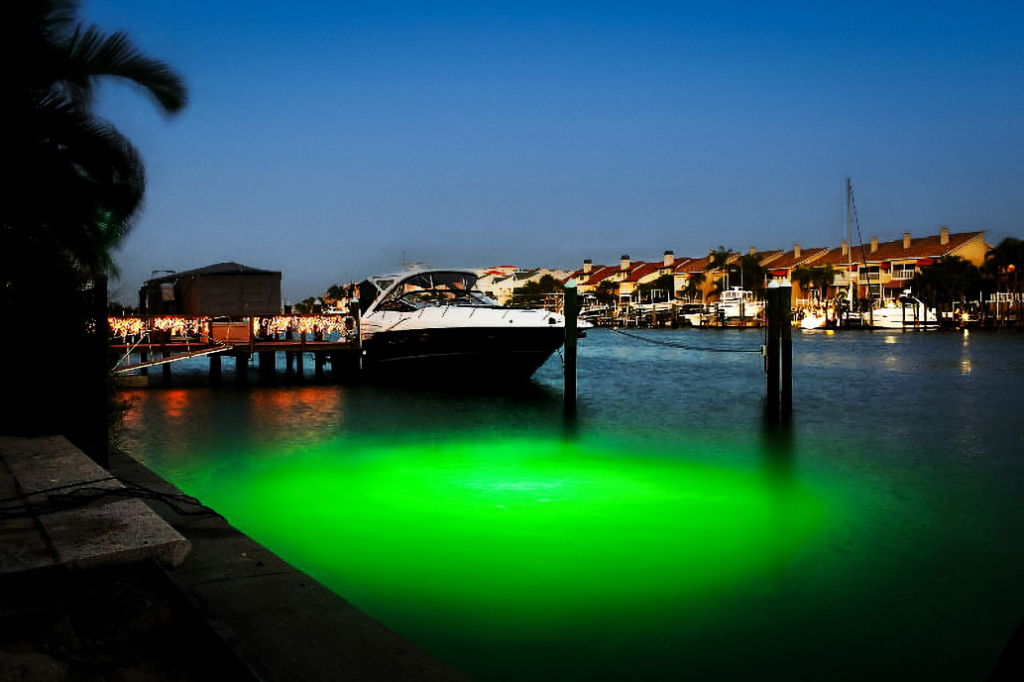
Beach front properties change dramatically after sunset. During the day, the shoreline naturally defines the space, but once darkness settles in, the water beyond the edge of the property can quickly become difficult to see. That shift is one of the reasons many waterfront property owners explore underwater lighting as part of their nighttime setup.
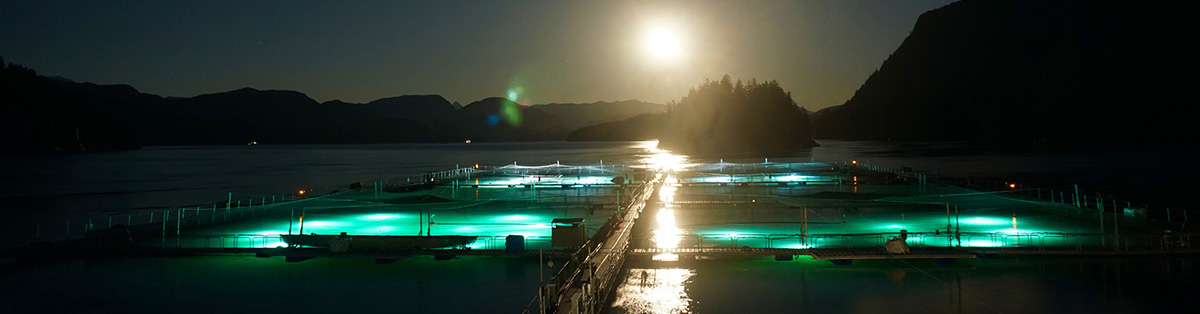
In shoreline environments, marine underwater lights are commonly used to improve visibility in nearshore waters while adding more visual definition beneath the surface. Instead of allowing the waterline to disappear into darkness, underwater lighting creates a visible illuminated zone that extends outward from the shoreline area.
Much of this visibility comes from properly positioned underwater LED lights installed near waterfront structures or shoreline edges. In many beach front applications, green underwater illumination is the primary visual output used beneath the surface. Depending on water conditions and placement, the lighting can create a clearly visible underwater area that changes naturally with movement in the water.
For many property owners, the appeal is not just the lighting itself, but how the illuminated water becomes part of the overall nighttime environment. The shoreline feels more connected to the surrounding water because the underwater space remains visually present after dark.
At the same time, underwater lighting systems work differently in shoreline environments than they do in dry outdoor spaces. Water clarity, sediment movement, tides, and fixture positioning all influence how underwater green lights appear once installed. Maintenance also becomes part of long-term use, since underwater fixtures require periodic cleaning to help maintain consistent visible output over time.
In this practical overview, we’ll explore how marine underwater lights are commonly used around beach front properties, how underwater visibility changes in nearshore environments, and what property owners should consider when planning installation, placement, and ongoing maintenance for underwater lighting systems.
Placement Strategies for Underwater LED Lights Near Shorelines
When installing underwater lighting around a beach front property, placement has a major influence on how the system performs once it is operating. The position of each fixture affects underwater visibility, light spread, and how balanced the illuminated area appears from the shoreline.
Because shoreline environments constantly change with water movement and shifting conditions, placement strategies for underwater LED lights should be planned carefully rather than treated as a simple one-size-fits-all installation.
Common Placement Areas Around Beach Front Properties
Most marine underwater lights installed near beach front properties are positioned along waterfront edges or near shoreline structures where they can illuminate the surrounding water after dark.
Some installations focus on creating visibility closer to the shoreline itself, while others extend the illuminated area slightly farther outward into nearshore waters. The layout usually depends on the shape of the waterfront area and how much underwater coverage is desired during nighttime hours.
Placement near structural points can also influence the appearance of the lighting. Shoreline edges, retaining structures, and waterfront transitions often become natural positioning areas because they help define where the underwater illumination begins and spreads outward.
In many setups, the goal is not to flood the entire shoreline with light, but to create a controlled underwater viewing zone that feels connected to the property itself.
Depth and Coverage Considerations
Depth plays a major role in how underwater LED lights behave beneath the surface. Fixtures installed in shallower water may create a more concentrated illuminated area close to the shoreline, while slightly deeper positioning can affect how the light spreads through surrounding water.
Coverage also depends heavily on water clarity and underwater conditions. In clearer water, illumination may appear broader and extend farther from the fixture. In areas with more suspended sediment or movement near the shoreline, the visible lighting area may remain tighter and more focused around the installation point.
Spacing between fixtures becomes especially important in larger waterfront areas. If lights are placed too closely together, the illuminated zones can overlap heavily. If they are positioned too far apart, uneven visibility may develop between sections of the shoreline.
Planning coverage carefully helps create a smoother transition between illuminated areas and darker surrounding water.
Creating Consistent Visibility Along Waterfront Areas
One of the main objectives when installing marine underwater lights near beach front properties is achieving balanced underwater visibility along the shoreline.
Consistency doesn’t necessarily mean identical brightness across every section of water. Instead, it means the illuminated areas feel visually connected rather than scattered or uneven.
Shoreline contours, water depth changes, and natural movement all influence how light appears once installed. In some areas, slight adjustments to fixture angle or depth may help create more balanced underwater coverage.
Water movement can also affect the final appearance. Tides, surface motion, and sediment shifts may subtly change how the illuminated area looks throughout the evening. Because of this, installation planning often works best when it accounts for how the shoreline behaves under normal nighttime conditions rather than assuming the water will remain completely still.
With thoughtful positioning and spacing, underwater LED lights can create a more structured and visually defined underwater environment along beach front properties without overwhelming the natural appearance of the shoreline.
The Role of Green Underwater Lighting in Beach Front Applications

When underwater lighting is installed around a beach front property, the visual effect depends heavily on how the light appears beneath the surface. In many shoreline environments, green underwater illumination has become the primary choice because of how it interacts with water conditions at night.
Rather than overpowering the shoreline, underwater green lights help create a defined underwater viewing area that remains visually connected to the surrounding waterfront environment.
Why Green Underwater Lighting Is Commonly Used
In many beach front applications, green illumination is the standard output used in underwater LED lights installed near the shoreline. One reason is how visible green light can remain beneath the surface in changing water conditions.
Nearshore environments are constantly influenced by movement, sediment, and tide changes. Because of this, the appearance of underwater lighting naturally shifts depending on the condition of the water. In clearer water, the illuminated area may extend farther outward from the fixture. In areas with more suspended particles, the visibility zone may remain more concentrated near the installation point.
Even with these changes, underwater green lights continue to create a recognizable illuminated area beneath the surface that helps visually define the shoreline after dark.
For many property owners, the goal is not intense brightness, but consistent underwater visibility that works naturally with the surrounding environment.
Visibility and Waterfront Atmosphere at Night
Once marine underwater lights are active, the shoreline takes on a different appearance during nighttime hours. The water near the property becomes more visually structured, with illuminated sections beneath the surface creating visible depth and movement that would otherwise disappear after sunset.
Water conditions play a major role in how this looks from one evening to the next. Calm water may create a smoother and more stable illuminated area, while moving water can cause the light to shift subtly across the surface and underwater space.
The shoreline itself also influences the overall appearance. Waterfront edges, structural transitions, and changes in water depth can shape how the illuminated area spreads across nearshore waters.
With properly positioned underwater LED lights, the underwater portion of the shoreline becomes more visually connected to the property itself. Instead of fading into darkness, the nearshore water remains part of the nighttime waterfront environment through controlled underwater illumination.
This is one of the main reasons green underwater lighting continues to play such a central role in beach front underwater lighting systems.
Practical Use of Underwater Fish Lights Around Beach Front Properties
While underwater lighting often changes the appearance of a shoreline visually, its practical use around beach front properties comes down to visibility. Once the water near the shoreline is illuminated, the underwater area becomes easier to observe and more visually connected to the surrounding property after dark.
Observing Underwater Activity Near Shoreline Areas
One of the most common uses for underwater fish lights around beach front properties is improving visibility beneath the surface in nearshore waters. Once installed, the illuminated area makes underwater movement and changing water conditions easier to see during nighttime hours.
The visible effect can vary depending on water clarity, shoreline depth, and fixture placement. In calmer conditions, the illuminated area may appear more stable and evenly defined. In areas with more movement, the lighting can shift naturally with tides and surface motion.
Because shoreline waters are constantly changing, the underwater appearance may not look identical every night. Sediment movement, small waves, and underwater debris can all influence how marine underwater lights appear once they are active.
Even with these changes, the illuminated zone helps create a more visible underwater space near the shoreline that would otherwise remain difficult to see after sunset.
Enhancing Nighttime Waterfront Visibility
Beyond underwater observation, underwater fish lights also help shape the overall nighttime appearance of beach front properties. The shoreline itself becomes more visually defined because the water nearest the property remains illuminated beneath the surface.
This added visibility can help create a stronger visual connection between the waterfront area and the surrounding property during evening hours. Instead of the shoreline disappearing into darkness, the illuminated water continues the visible boundary outward from the edge of the property.
Placement plays an important role in this effect. Properly spaced marine underwater lights can help maintain more consistent visibility along waterfront sections without creating uneven underwater illumination.
Water movement also contributes to the final appearance. In some conditions, the lighting may appear calm and steady, while in others the illuminated area may shift subtly with changing water patterns. This movement becomes part of the natural nighttime atmosphere around the shoreline.
With thoughtful positioning, underwater fish lights can help create a more visually active waterfront environment while keeping the focus on practical underwater visibility near beach front properties.
Installation Planning for Marine Underwater Lights
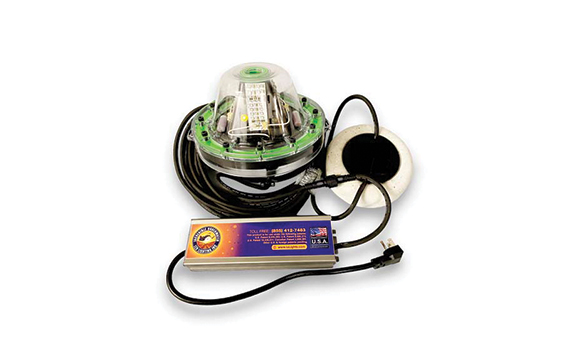
Installing underwater lighting near a beach front property requires more planning than simply choosing fixture locations. Shoreline environments are constantly influenced by water movement, changing visibility conditions, and shifting underwater terrain, which means installation decisions can directly affect how the lighting performs over time.
A well-planned setup starts with understanding the layout of the shoreline and how the underwater area behaves during normal nighttime conditions.
Preparing for Installation
Before installing marine underwater lights, it’s important to review the shoreline layout carefully. Waterfront edges, structural transitions, and changes in water depth all influence where fixtures can be positioned for balanced visibility.
Many property owners begin by identifying which sections of the nearshore water they want illuminated after dark. Some installations focus on visibility close to the shoreline itself, while others extend illumination farther outward into nearby water.
Measuring cable routing distances is also an important part of planning. Understanding the spacing between fixtures and available power access areas can help simplify installation and create a cleaner overall layout.
Water movement should also be considered early in the process. Tides, currents, and shifting sediment may affect how underwater LED lights appear once installed, so placement often works best when planned around the natural behavior of the shoreline environment.
Positioning Fixtures for Balanced Illumination
Once installation begins, fixture positioning becomes one of the most important factors affecting visibility.
Spacing between fixtures affects how connected the illuminated areas feel across the shoreline. If lights are too close together, the visibility may become overly concentrated in one section. If they are too far apart, darker gaps can develop between illuminated areas.
Water movement further shapes how the lighting appears at night. Surface motion, tides, and suspended particles can subtly alter how the illuminated zone spreads through nearshore waters.
Because every shoreline behaves differently, installation layouts often require adjustments based on real-world conditions rather than relying entirely on fixed measurements. Small changes in angle, depth, or spacing may significantly influence how consistent the underwater visibility appears once the system is operating.
With careful planning and positioning, underwater LED lights can create a more balanced and visually connected underwater environment along beach front properties.
Maintenance Expectations for Underwater LED Systems
Once underwater lighting is installed near a beach front property, ongoing maintenance becomes part of keeping the system operating consistently over time. Shoreline environments are constantly exposed to natural buildup, water movement, and changing underwater conditions, all of which can affect how the lighting appears beneath the surface.
Why Routine Cleaning Is Important
One of the most important parts of maintaining underwater LED lights is routine cleaning. Over time, algae, sediment, and underwater debris naturally collect on the fixture surface. As buildup increases, the visible output of the lighting can gradually become less clear and more restricted.
This buildup is a normal part of underwater operation in nearshore environments. The rate at which it develops depends on water conditions, seasonal changes, and the amount of movement near the shoreline.
For marine underwater lights, periodic cleaning helps maintain more consistent underwater visibility by keeping the fixture surface clear of accumulation. Without regular maintenance, the illuminated area may appear dimmer or more concentrated than intended.
Because of this, underwater lighting systems should be viewed as equipment that requires ongoing upkeep rather than something that can simply be installed and ignored long term.
Maintaining Visibility Over Time
Maintaining underwater visibility around a beach front property involves more than occasional cleaning. Regular inspection also helps ensure that fixtures remain positioned correctly and continue operating as expected in changing shoreline conditions.
Water movement, tides, and sediment shifts can all influence how underwater LED lights appear over time. In some areas, one fixture may accumulate buildup faster than another depending on depth, exposure to movement, or nearby underwater conditions.
Seasonal changes can also affect visibility. During certain periods, the illuminated area created by marine underwater lights may appear broader and clearer, while at other times the underwater glow may become more concentrated because of changing water clarity.
Routine maintenance helps keep these visibility changes more manageable by ensuring the lighting system remains as consistent as possible throughout the year.
For most beach front installations, maintenance becomes part of the long-term ownership experience. Regular cleaning and inspection support more stable underwater visibility and help the lighting continue functioning as intended within the shoreline environment.
Explore Marine Underwater Lighting Solutions for Your Beach Front Property
If you’re planning to improve nighttime visibility along your shoreline, the right underwater lighting setup can make a noticeable difference in how your beach front space feels after dark. From planning fixture placement to understanding how marine underwater lights behave in real nearshore conditions, every detail plays a role in creating consistent underwater visibility.

At Incredible Underwater LED Lights, we focus on practical underwater lighting solutions designed specifically for shoreline environments. Whether you’re researching underwater LED lights, comparing options for Underwater Fish Lights, or planning a new setup using underwater dock lights, our goal is to help you understand how these systems are used in real beach front applications—not just in theory.
If you’re exploring ways to improve visibility around your property, visit Incredible Underwater LED Lights to learn more about underwater lighting options designed for beach front environments.
Frequently Asked Questions
Where are Marine Underwater Lights usually installed on beach front properties?
Marine Underwater Lights are typically installed along shoreline edges or near nearshore structural points where they can illuminate surrounding water. Placement depends on water depth, shoreline layout, and the area where visibility is needed most after dark.
Why is green lighting commonly used in Underwater LED Lights?
Green illumination is commonly used in Underwater LED Lights because it remains clearly visible in underwater environments with changing clarity and movement. It helps define the underwater area around the shoreline without requiring overly intense brightness.
Do Underwater Fish Lights require regular maintenance?
Yes. Underwater Fish Lights require routine cleaning because algae, sediment, and natural buildup can collect on the fixtures over time. Regular maintenance helps support consistent visibility and stable light output in shoreline conditions.
