
Shopping Cart
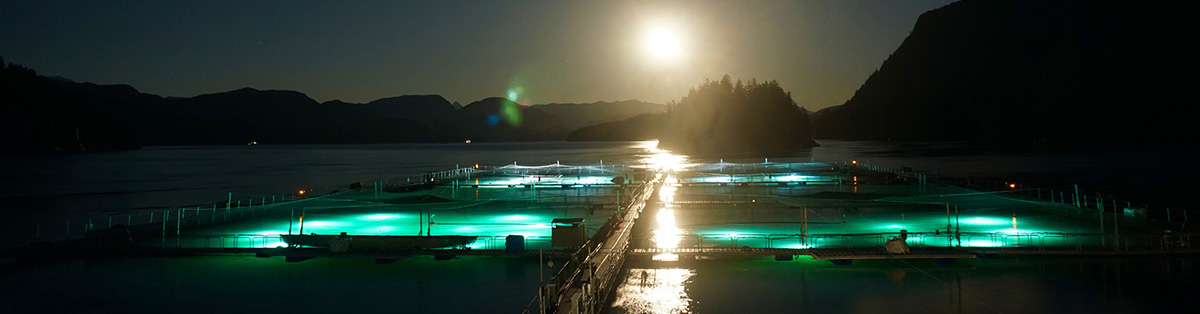
Sustainable Engineering: The Role of Green LED Dock Lights in Developing Low-Impact Marine Lighting Systems
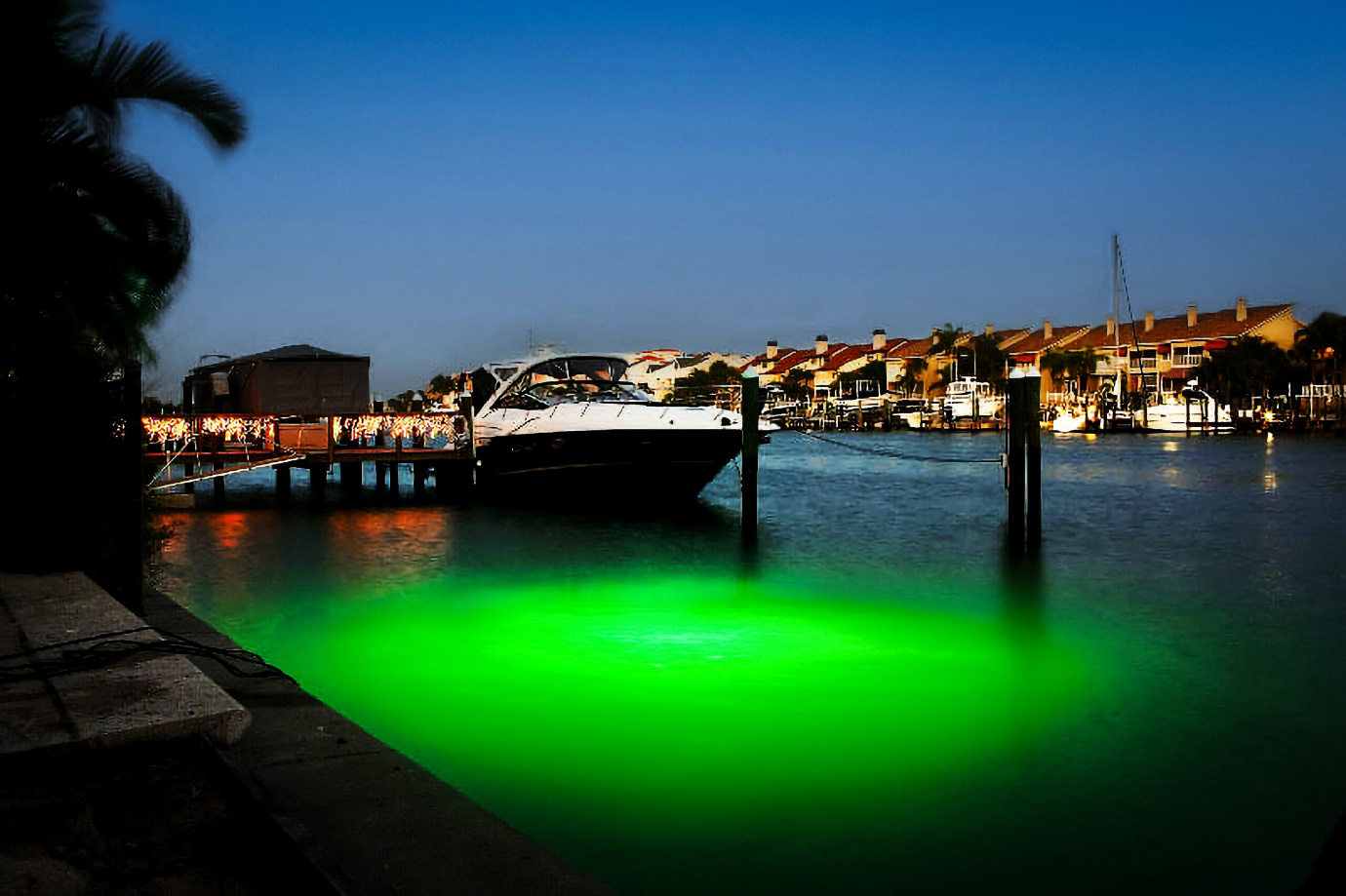
The growing demand for environmentally conscious technology has led to remarkable advancements in marine lighting. Among these innovations, underwater LED lights have emerged as a key solution for sustainable illumination in aquatic environments. By combining optical precision with energy efficiency, green LED dock lights minimize ecological disruption while maintaining exceptional lighting performance. These systems not only illuminate docks and waterfronts but also promote a balance between human activity and marine ecosystem health.
Energy Efficiency and Reduced Environmental Footprint
Traditional lighting systems, such as halogen or high-intensity discharge lamps, consume significant amounts of energy and release excess heat into surrounding waters. In contrast, green LED dock lights operate with a fraction of the energy while providing superior luminous output. Their design focuses on converting most electrical energy into visible light, drastically reducing power consumption and waste.
From an engineering standpoint, this efficiency is crucial in lowering carbon emissions associated with coastal infrastructure. By implementing energy-saving circuits and advanced thermal management, low-impact marine lighting systems contribute to more sustainable waterfront operations. This technology not only supports environmental goals but also reduces long-term energy costs for marinas and homeowners.
Spectral Optimization for Ecological Balance
One of the most significant benefits of green LED dock lights lies in their wavelength control. The green spectrum, typically ranging between 520 and 540 nanometers, interacts favorably with aquatic environments. Unlike brighter, broad-spectrum lights that can disorient marine species, green light provides visibility without causing behavioral stress or habitat disruption.

Sustainable engineering focuses on precise spectral tuning to ensure that illumination enhances visibility for human activities while minimizing negative effects on fish, plankton, and other marine life. Studies show that specific green wavelengths can even promote healthy phototactic responses, attracting smaller organisms that form part of natural aquatic food chains without altering migration or reproduction cycles.
Material Design and System Integration
Developing low-impact marine lighting systems requires careful consideration of materials and system integration. Engineers prioritize components that resist corrosion and chemical degradation without introducing harmful substances into aquatic ecosystems. Green LED dock lights are typically encased in non-toxic, marine-safe materials that maintain optical clarity and prevent leaching.
Equally important is system integration—ensuring lighting controls, timers, and sensors function efficiently to limit unnecessary light exposure. Automated dimming systems, for example, help reduce illumination intensity during inactive periods, further conserving energy and maintaining natural darkness cycles that many marine species rely on.
The Future of Sustainable Marine Lighting
As sustainable engineering continues to evolve, the focus is shifting toward complete ecosystem compatibility. The development of next-generation underwater LED lights emphasizes adaptive brightness, wavelength modulation, and renewable energy integration, such as solar-powered systems. These advancements demonstrate how thoughtful design and engineering can harmonize technology with nature, offering functional lighting solutions that protect marine biodiversity.
Illuminate Responsibly with Incredible Underwater LED Lighting
Enhance your waterfront with energy-efficient underwater LED lights designed for sustainable performance. Discover how underwater green lights support marine life and visibility. Choose Incredible Underwater LED Lighting today and transform your dock—order your eco-friendly lighting system now!
Frequently Asked Questions
1. Are LED underwater lights better?
Yes, LED underwater lights are considered superior due to their energy efficiency, long lifespan, and high brightness output. Unlike traditional halogen or incandescent lights, LEDs generate minimal heat, consume less power, and provide consistent illumination underwater. Their compact design also allows for greater flexibility in placement and beam control.
2. What are the benefits of LED lights?
LED lights offer multiple advantages, including lower energy consumption, reduced maintenance costs, and improved light quality. They have a longer operational life compared to conventional bulbs and are more environmentally friendly because they do not contain harmful materials like mercury.
3. Why are underwater lights important?
Underwater lights play a critical role in both safety and marine enhancement. They illuminate dark water areas, improving visibility for swimmers and boaters, and attract marine life for fishing or observation. In addition, underwater lighting enhances the visual appeal of docks, piers, and water features, creating a captivating nighttime atmosphere while supporting aquatic activities.
4. What kind of lights are used underwater?
The most commonly used lights for underwater applications are LED-based systems. These are preferred for their durability, energy efficiency, and high luminous performance. Underwater LED lights can be customized in color temperature and intensity, making them suitable for marine, architectural, and recreational purposes.
