
Shopping Cart
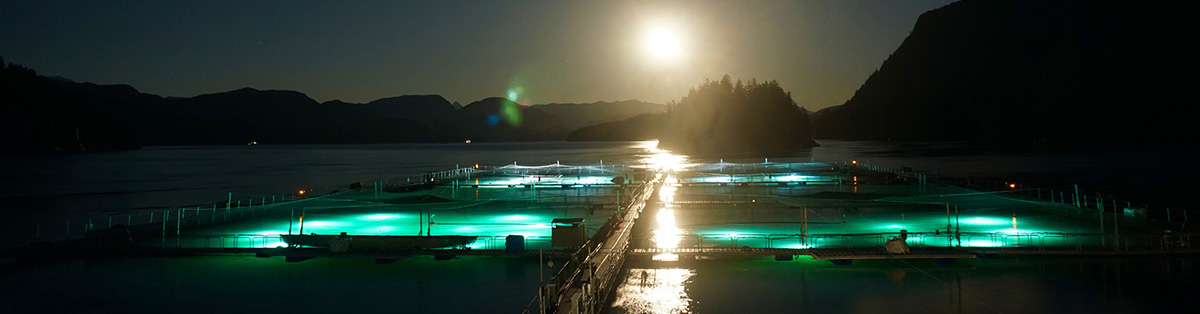
Why Underwater Green Lights Are Commonly Used in Dock-Based Lighting Setups
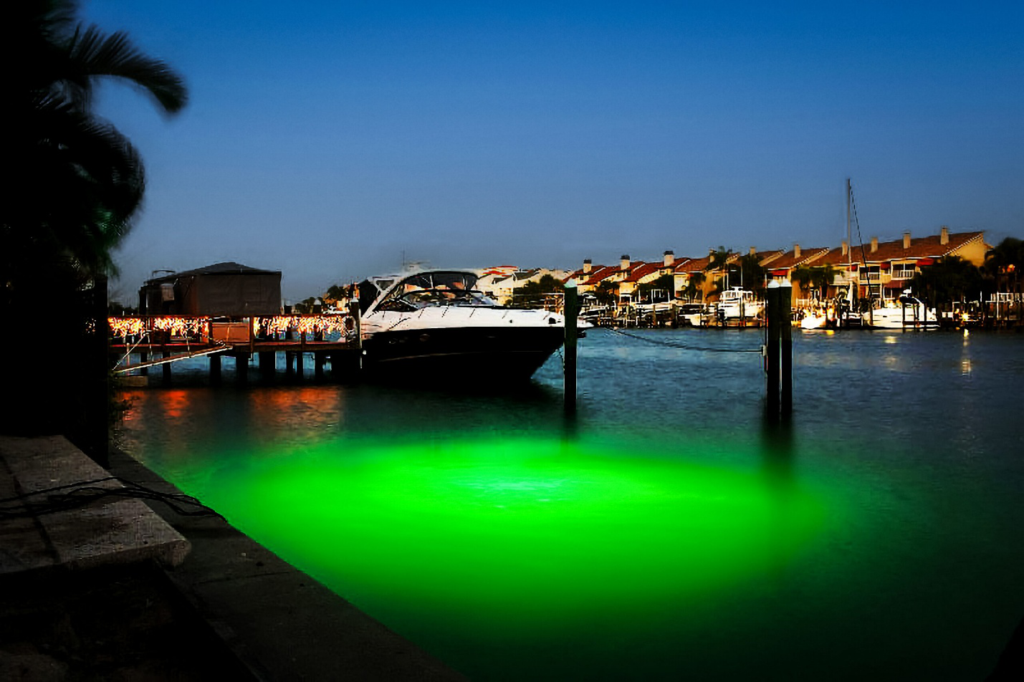
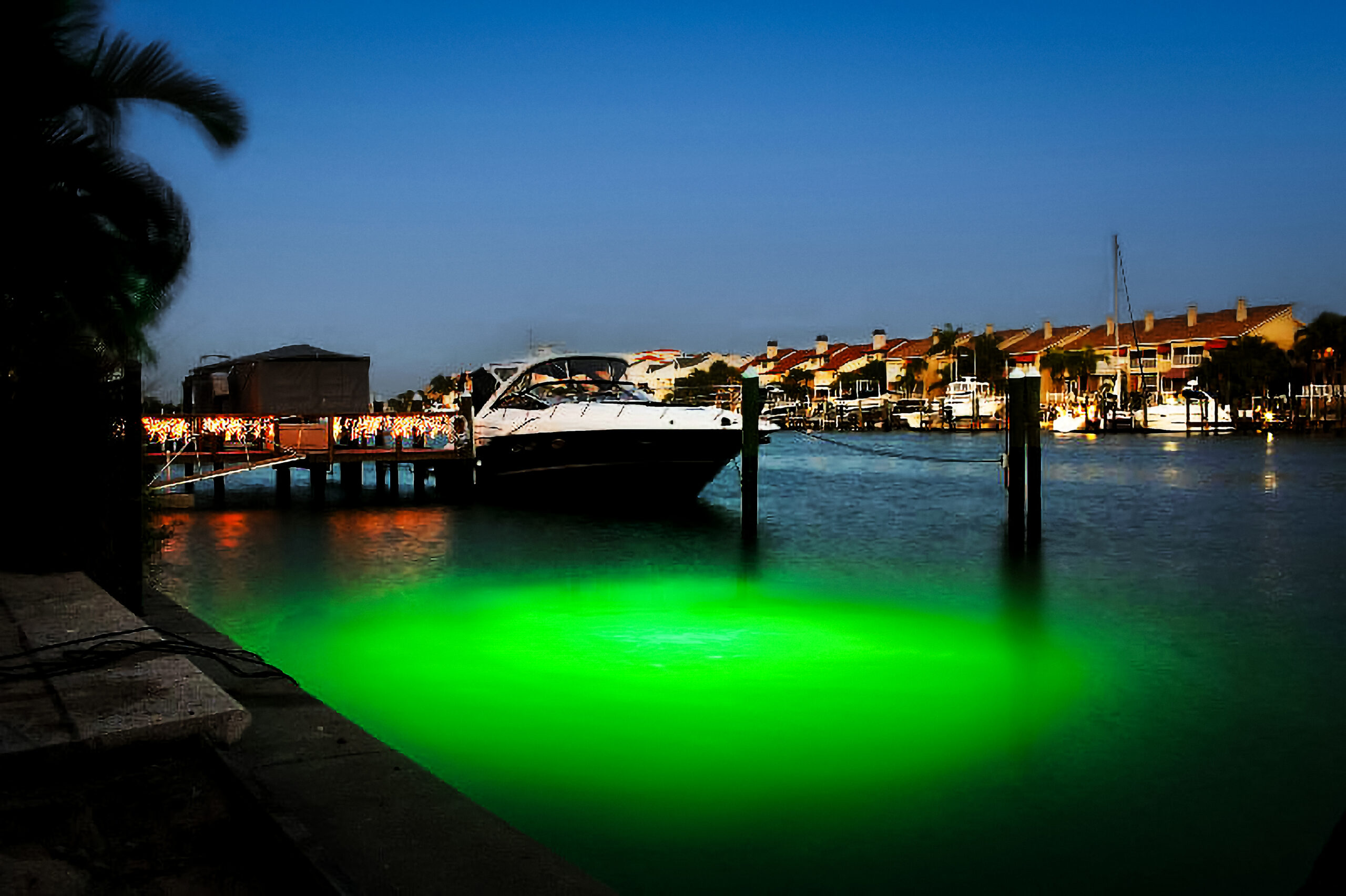
When we talk about nighttime dock lighting, underwater green lights are one of the most commonly used options for improving underwater visibility around waterfront docks and beachfront properties. These lighting systems are typically installed directly along dock structures to illuminate the surrounding water after dark, creating a more visible and defined dock environment.
Many property owners choose underwater LED lights because they provide consistent illumination beneath and around dock areas. Positioned below the waterline, these systems help light the water surrounding the dock while making underwater activity easier to observe from above. As dock lighting setups have become more common on residential waterfront properties, we continue to see growing interest in dedicated underwater dock lights designed specifically for these environments.
Another reason these systems are frequently used is their versatility in dock-based applications. Some homeowners install marine underwater lights to improve visibility around their docks at night, while others incorporate lighting into dockside recreational setups. In many cases, underwater fishing lights are used around docks where nighttime fishing activity takes place, helping illuminate the surrounding water area for better visibility.
We also commonly see underwater fish lights installed as part of larger dock lighting layouts that include multiple fixtures positioned along the length of the dock. Depending on the size and structure of the installation area, lighting placement can vary to provide more even underwater illumination around the property.
In this guide, we will take a closer look at why underwater green lights are widely used in dock-based lighting setups, how these systems function around docks, and what property owners should consider when planning underwater lighting for a beachfront dock installation.
Why Dock Owners Install Underwater Green Lights
For many waterfront property owners, dock lighting serves a purpose beyond simple visibility. A dock often becomes an active part of the property after sunset, especially in areas where people gather near the water during the evening. Installing underwater green lights changes how that space functions at night by extending visibility below the surface and giving the dock a more defined presence along the shoreline.
What makes these systems especially effective in dock environments is the way the illumination interacts with the water itself. Instead of casting light downward from above, submerged fixtures create visibility from within the water column, which produces a very different effect around pilings, dock edges, and the surrounding underwater area.
Increasing Visibility Around Dock Areas at Night
Once daylight fades, areas beneath docks can become difficult to see clearly, particularly along larger structures that extend farther from the shoreline. This is one reason many property owners incorporate underwater dock lights into their lighting setup. By positioning fixtures below the surface, the illuminated area expands outward beneath the dock rather than remaining limited to the top deck or walkway.
This added visibility can make the dock area feel more visually connected to the surrounding water at night. Instead of appearing as a dark extension off the property, the dock becomes a clearly outlined part of the waterfront environment. The underwater illumination also helps define the edges of the structure more clearly, particularly around pilings and lower dock sections where ambient light may not naturally reach.
Many dock owners also appreciate how underwater LED lights create a more gradual transition between the dock and the surrounding water. The illuminated area beneath the structure softens the sharp contrast that often exists between bright dock lighting above and dark water below.
Creating an Illuminated Waterfront Environment
One of the more noticeable effects of marine underwater lights is the atmosphere they create along beachfront properties after dark. Water reflects and refracts light constantly, so even subtle underwater illumination can reshape the appearance of the dock area throughout the evening.
Around residential docks, the illuminated water often becomes a visual focal point from both the shoreline and the dock itself. Gentle movement beneath the surface becomes easier to observe, and the dock takes on a more finished nighttime appearance without relying entirely on overhead fixtures.
Unlike traditional dock lighting that primarily focuses on the walking surface, underwater green lights contribute to the surrounding environment as a whole. The water beneath the dock becomes part of the visible landscape rather than an area hidden in darkness. For many waterfront property owners, this added visual depth is one of the primary reasons underwater lighting becomes a permanent part of the dock setup.
Supporting Dockside Fishing Activities
Another common reason people install underwater fishing lights is to improve visibility around docks used during nighttime fishing activity. Lighting the water beneath the dock can make it easier to observe movement near the structure and maintain clearer visibility around the immediate fishing area after sunset.
In many dock-based fishing setups, visibility matters just as much as access. Docks naturally attract activity because pilings and shaded underwater areas create structure beneath the surface. By adding underwater fish lights, dock owners can better observe the water surrounding those areas during evening hours.
For larger docks, multiple fixtures are sometimes installed to extend the illuminated area farther along the structure. This approach creates more continuous underwater visibility rather than concentrating all illumination into a single point beneath the dock.
As more property owners continue investing in nighttime dock use, underwater LED lights remain a widely used addition for creating a clearer, more visually active waterfront environment after dark.
Common Dock-Based Applications for Underwater Green Lights
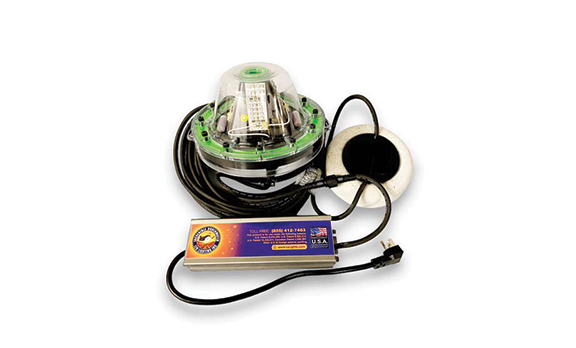
Not every dock lighting setup is designed for the same purpose. Some property owners prioritize underwater visibility close to the shoreline, while others focus on extending illumination farther along the dock structure itself. The layout of the dock, the surrounding water conditions, and how the area is used after dark all influence how underwater green lights are typically installed.
Over time, we have seen several common patterns emerge in the way underwater dock lights are incorporated into residential waterfront properties. While every installation is different, most dock-based lighting setups fall into a few practical categories.
Residential Docks on Beachfront Properties
One of the most common applications for marine underwater lights is private residential docks attached to beachfront properties. In these settings, underwater lighting is often used to create visibility around the dock perimeter while helping define the waterfront area at night.
During the evening, large portions of the water surrounding a dock can become visually flat or difficult to distinguish from the shoreline. Submerged lighting changes that dynamic by outlining the water immediately beneath and beside the structure. Instead of fading into darkness, the dock maintains a visible connection to the surrounding waterfront environment.
For many homeowners, this visibility becomes especially noticeable when viewed from the property itself. The illuminated water beneath the dock adds movement and visual texture to the shoreline after sunset, particularly when the water surface remains active with changing reflections and current movement.
In longer dock layouts, multiple underwater LED lights may be installed at intervals to maintain more consistent underwater visibility from one section of the dock to another. This type of arrangement is commonly used when property owners want illumination distributed evenly across a larger dock footprint.
Fishing-Oriented Dock Setups
Docks that are regularly used for nighttime fishing often incorporate dedicated underwater fishing lights positioned near the primary fishing areas of the structure. In these applications, fixture placement usually focuses on sections of the dock where people spend the most time observing the water after dark.
Lighting placement can significantly influence how the underwater area appears from above. Fixtures mounted too closely together may concentrate illumination into a single bright section, while wider spacing can create a broader visible zone beneath the dock. Because of this, many dock owners position underwater fish lights strategically along the structure rather than clustering every fixture in one location.
Another factor that affects these setups is dock depth. Docks extending into deeper water may require different placement considerations than shallower shoreline structures, particularly when the goal is to maintain clear underwater visibility across multiple sections of the dock.
Rather than functioning as standalone fixtures, these lighting systems often become integrated into the overall nighttime dock environment. The illuminated water, dock structure, and surrounding shoreline all work together to create a more usable and visually connected waterfront area.
Multi-Light Dock Configurations
Larger dock installations frequently rely on multiple underwater green lights working together as part of a coordinated lighting layout. This is especially common on wider docks or longer beachfront structures where a single fixture may only illuminate a limited section of the surrounding water.
Spacing becomes one of the most important considerations in multi-light configurations. Evenly distributed fixtures can help reduce dark gaps beneath the dock while creating a smoother transition between illuminated sections. When planned carefully, the lighting appears more natural across the entire structure instead of drawing attention to isolated bright spots.
Many multi-light installations also use symmetrical placement along both sides of the dock to maintain balanced underwater visibility. This approach helps create a more uniform appearance beneath the structure while allowing the illuminated area to extend outward in a consistent pattern.
As underwater dock lights continue to become more common on residential waterfront properties, multi-light layouts remain one of the most practical ways to create broader underwater coverage around larger dock systems.
Important Considerations Before Installing Underwater Dock Lights
A well-planned dock lighting system is usually the result of careful positioning rather than simply adding more fixtures. Before installing underwater dock lights, it is important to consider how the dock is structured, how the water behaves around the property, and what areas require the most consistent underwater visibility after dark.
While underwater lighting can significantly change the appearance of a dock environment, the effectiveness of the setup often depends on decisions made before installation begins. Fixture placement, electrical planning, and routine upkeep all influence how the lighting system performs over time.
Choosing Proper Light Placement Along the Dock
The placement of marine underwater lights has a direct impact on how the illuminated area appears beneath the dock. Even small adjustments in positioning can affect how evenly the light spreads through the surrounding water.
For example, fixtures mounted too close to the shoreline may create visibility only in shallow sections near the beginning of the dock, while installations farther along the structure may extend illumination into deeper water. Many dock owners choose placement locations based on where nighttime activity most frequently occurs, such as seating areas, fishing sections, or the outer portions of the dock.
Dock pilings are another important consideration. Because pilings interrupt the movement of light underwater, fixture positioning should account for how shadows may form beneath the structure. In larger layouts, multiple underwater LED lights are often spaced at measured intervals to reduce uneven illumination and maintain more consistent visibility from one section of the dock to another.
Water clarity can also influence placement decisions. In areas where the water naturally contains more suspended particles or movement, fixture spacing may need to be adjusted to maintain a cleaner illuminated field beneath the dock.
Electrical Planning for Underwater LED Systems
Installing underwater LED lights around a dock requires thoughtful electrical planning, particularly when multiple fixtures are involved. Since underwater systems operate below the waterline, wiring routes and power access points should be considered early in the installation process rather than added as an afterthought.
Many dock lighting setups route wiring beneath the dock structure itself to keep connections organized and reduce unnecessary exposure along walking surfaces. Depending on the layout of the property, power sources may be positioned closer to the shoreline or integrated directly into the dock’s electrical system.
Control access is another factor worth considering. Some property owners prefer lighting systems that can be activated only when needed during evening hours, while others incorporate scheduled operation into their dock lighting routine. Regardless of the setup, maintaining organized wiring paths and accessible control points can make future servicing and adjustments more manageable.
Because dock layouts vary significantly from one property to another, installation planning often benefits from evaluating the structure as a complete system rather than treating each fixture independently.
Routine Cleaning and Upkeep
Like most submerged equipment, underwater green lights require periodic cleaning to maintain clear underwater illumination. Over time, natural buildup can accumulate on the surface of the fixture, affecting how light travels through the surrounding water.
In many dock environments, this buildup develops gradually and may not become immediately noticeable until visibility beneath the dock begins to appear less defined. Routine inspection allows property owners to identify when cleaning is needed before the illuminated area becomes significantly affected.
The frequency of cleaning often depends on local water conditions and how frequently the dock is used throughout the year. Some properties may require more regular maintenance than others, particularly during warmer seasons when underwater buildup tends to increase more rapidly.
For dock owners using underwater fishing lights or multi-light configurations, maintaining clean fixture surfaces across the entire setup helps preserve more consistent illumination beneath the structure. Regular upkeep also provides an opportunity to inspect mounting positions and confirm that the lighting layout continues to function as intended over time.
What Makes Green Underwater Lighting a Common Choice for Docks
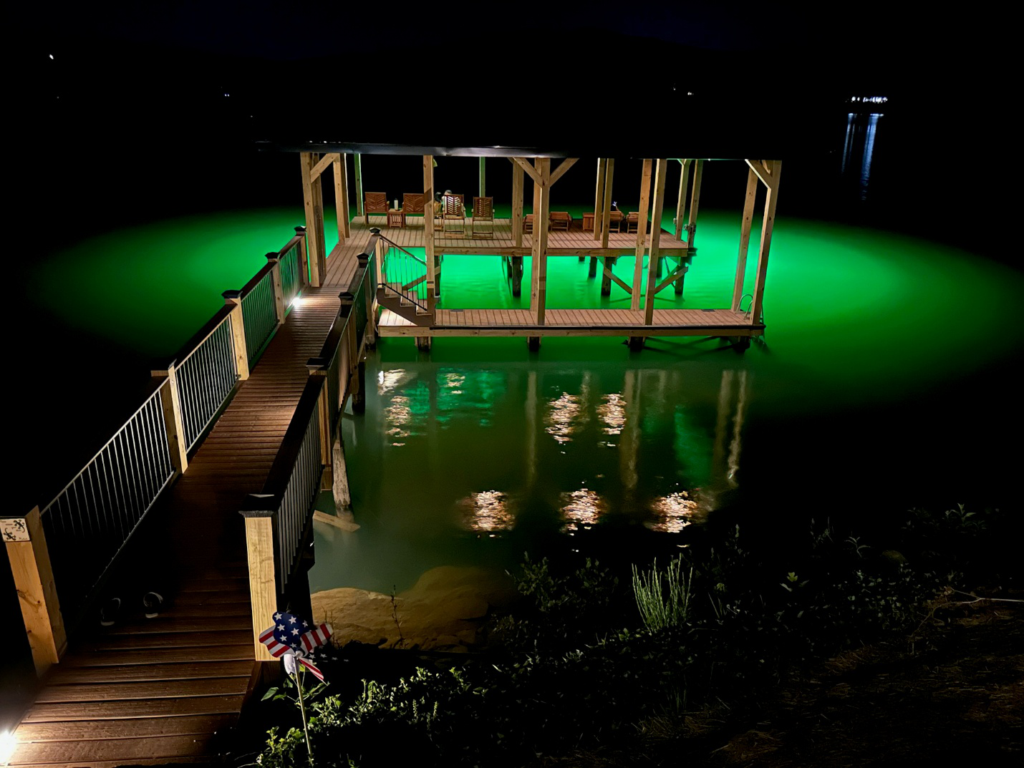
Dock lighting is ultimately about visibility, but the way that visibility is created matters just as much as the fixtures themselves. Over the years, underwater green lights have become a familiar part of residential dock lighting setups because they create a distinct illuminated area beneath the structure without relying on harsh overhead lighting alone.
For many waterfront properties, the dock remains active well after sunset. Whether people are spending time near the shoreline, observing the water from the dock, or using the area during evening fishing activity, underwater illumination helps extend the usefulness of the space into nighttime hours. This continued demand for underwater visibility is one reason green underwater lighting remains widely used in dock-based environments.
Consistent Underwater Illumination Around Dock Structures
One of the primary reasons property owners install underwater dock lights is to establish a more visible underwater area around the structure itself. Docks naturally create shaded sections beneath the surface, especially around pilings and lower support areas where ambient light does not easily reach after dark.
Submerged lighting helps reduce those darker sections by extending illumination outward from below the waterline. Instead of only highlighting the top surface of the dock, the lighting defines the surrounding water beneath it as well. This creates a more complete visual connection between the dock and the waterfront environment.
For longer residential docks, multiple marine underwater lights are often arranged to maintain a more continuous illuminated field beneath the structure. This approach helps preserve visibility across larger sections of the dock instead of limiting illumination to one concentrated area.
The result is a dock environment that feels more visually structured at night, with clearer underwater definition surrounding the property.
Integration With Modern Underwater LED Lighting Systems
As dock lighting systems have evolved, many property owners have shifted toward dedicated underwater LED lights designed specifically for submerged dock applications. These systems allow fixtures to remain compact while still providing focused underwater illumination around the dock structure.
Modern dock lighting layouts often include several fixtures working together across different sections of the dock. Rather than functioning independently, the lights are typically positioned to create a unified underwater appearance beneath the entire structure. This coordinated arrangement can make the illuminated water appear more balanced from both the dock and the shoreline.
Installation planning also plays a larger role in modern dock setups than many people initially expect. Factors such as dock length, piling placement, water depth, and fixture spacing all influence how the lighting appears once installed. Because of this, many underwater green lights are incorporated into the dock design as part of a broader waterfront lighting strategy rather than being treated as isolated additions.
For beachfront properties with extended dock layouts, integrated underwater lighting can help establish a more consistent nighttime appearance across the entire structure.
Continued Popularity of Underwater Green Lighting
The continued use of underwater green lights across residential waterfront properties reflects how effective submerged lighting has become in dock-focused environments. Rather than serving as purely decorative additions, these systems are often installed to improve nighttime visibility beneath and around the dock itself.
As more homeowners invest in upgrading waterfront spaces, underwater fishing lights and dock-based underwater lighting systems continue to remain a common part of nighttime dock design. Their ability to illuminate the water directly beneath the structure gives property owners a different level of visibility than surface lighting alone.
We also continue to see growing interest in multi-light setups that distribute underwater fish lights across larger dock structures for broader underwater coverage. In many cases, these layouts become a defining visual feature of the property after sunset, especially when viewed from the shoreline or adjacent dock areas.
For waterfront docks where nighttime visibility is a priority, underwater lighting remains one of the most widely used additions for creating a more visible and connected dock environment.
Bring Your Dock to Life With Underwater Green Lighting
If you are planning to improve nighttime visibility around your dock, choosing the right underwater green lights can make a significant difference in how your waterfront space looks and functions after dark. From smaller residential docks to larger beachfront dock layouts, properly positioned underwater dock lights help create a more visible and connected underwater environment beneath the structure.
At Incredible Underwater LED Lights, we offer underwater LED lights designed specifically for dock-based lighting applications. Whether you are looking to expand underwater visibility around your dock, upgrade an existing lighting setup, or install multiple marine underwater lights across a larger dock structure, selecting the right configuration is an important part of achieving balanced underwater illumination.
Because every dock layout is different, factors such as dock length, fixture spacing, water depth, and intended nighttime use should all be considered before installation. From residential waterfront properties to docks used for evening fishing activity, properly planned underwater fishing lights and underwater fish lights can help create a cleaner and more consistent illuminated area beneath the waterline.
Explore our selection of dock-focused underwater lighting solutions to find the right setup for your waterfront property.
Frequently Asked Questions
How are underwater green lights typically installed on docks?
Most underwater green lights are mounted below the waterline along dock pilings or dock edges. Placement depends on the dock layout, water depth, and the desired underwater coverage area.
Why are underwater LED lights commonly used for dock lighting?
Many property owners choose underwater LED lights because they provide underwater illumination around docks and help improve nighttime visibility beneath the structure and surrounding water.
Do underwater dock lights require maintenance?
Yes. Like most submerged lighting systems, underwater dock lights should be cleaned periodically to remove buildup that can affect underwater visibility and light output.
Can multiple underwater fishing lights be installed on one dock?
Yes. Larger docks often use multiple underwater fishing lights spaced along the structure to create more even underwater illumination across different sections of the dock.
